Best Sunglasses for Biking: Polarized Lenses, Glare and Fit Explained
Sport & Riding · Buying Guide
Best Sunglasses for Biking: Polarized Lenses, Glare and Fit Explained
The right pair of sunglasses does more than look good on a ride. It cuts glare, blocks wind and dust, and keeps your eyes sharp on the road. Here is how to choose well.
In this article
- Why sunglasses matter when you ride
- Why polarized lenses win for biking
- What to look for: lens, fit and frame
- Day riding versus night riding
- Best Rawbare sunglasses for biking
- Caring for your riding sunglasses
Why sunglasses matter when you ride

Riding puts your eyes through a lot. Direct sun, glare bouncing off the road and other vehicles, wind, dust, grit and the odd insect all hit you at speed. Squinting against any of this pulls your focus off the road exactly when you need it most.
A good pair of riding sunglasses solves three problems at once: it cuts glare so you can read the surface ahead, it shields your eyes from wind and debris, and it blocks the ultraviolet rays that cause long-term eye damage over years of outdoor time.
Why polarized lenses win for biking

Glare on the road is mostly horizontal light reflecting off flat surfaces like tarmac, wet patches and car bonnets. Polarized lenses contain a filter that blocks this horizontal glare specifically, which is why the road ahead looks clearer and your eyes feel less strained on a long ride.
A regular tinted lens only dims everything uniformly. It makes the world darker but does nothing about the glare itself, so you still squint against bright reflections.
What to look for: lens, fit and frame

Four things separate a great pair of riding sunglasses from a pair that just looks the part.
| Feature | What to look for | Why it matters |
|---|---|---|
| Lens | Polarized with UV400 | Cuts glare and blocks 100% of UVA and UVB rays |
| Fit | Secure, grippy temples | Stays put over bumps, braking and head movement |
| Coverage | Wrap-friendly shape | Shields eyes from wind, dust and side glare |
| Frame | Lightweight and durable | Comfortable for hours, survives being thrown in a bag |
Day riding versus night riding

Polarized and tinted lenses are built for daylight. They are the right choice for bright sun, but they are the wrong choice after dark.
Best Rawbare sunglasses for biking
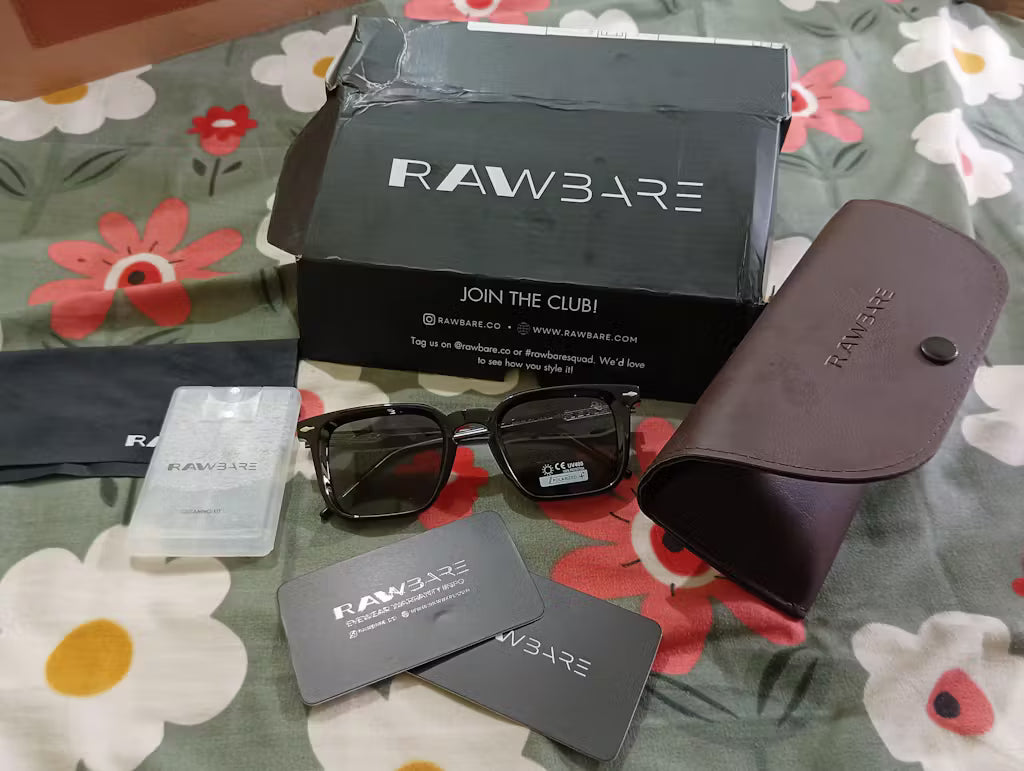
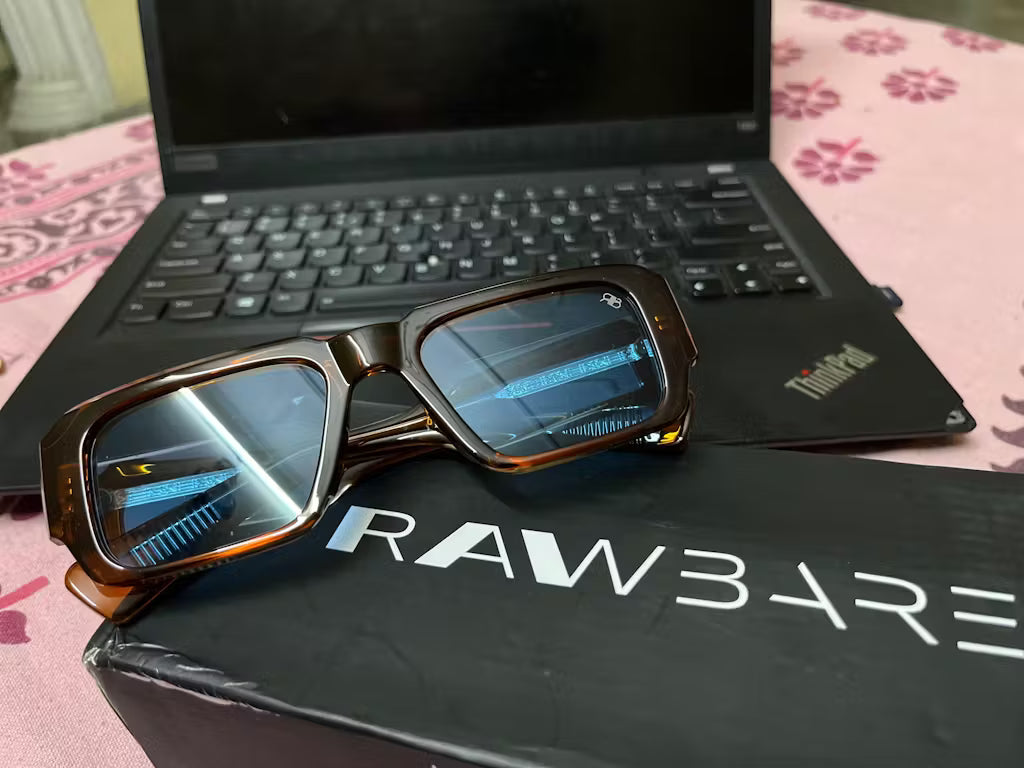
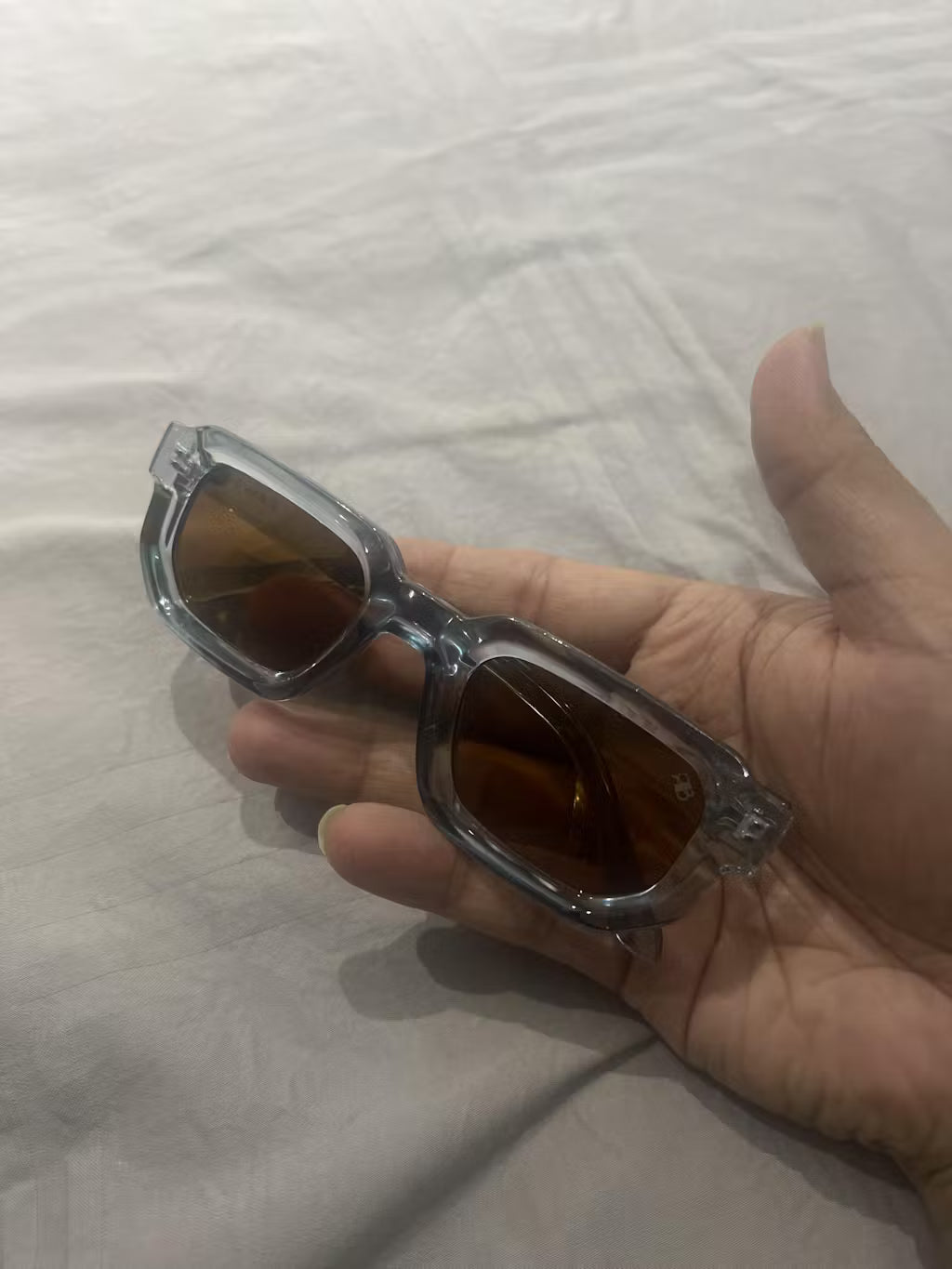
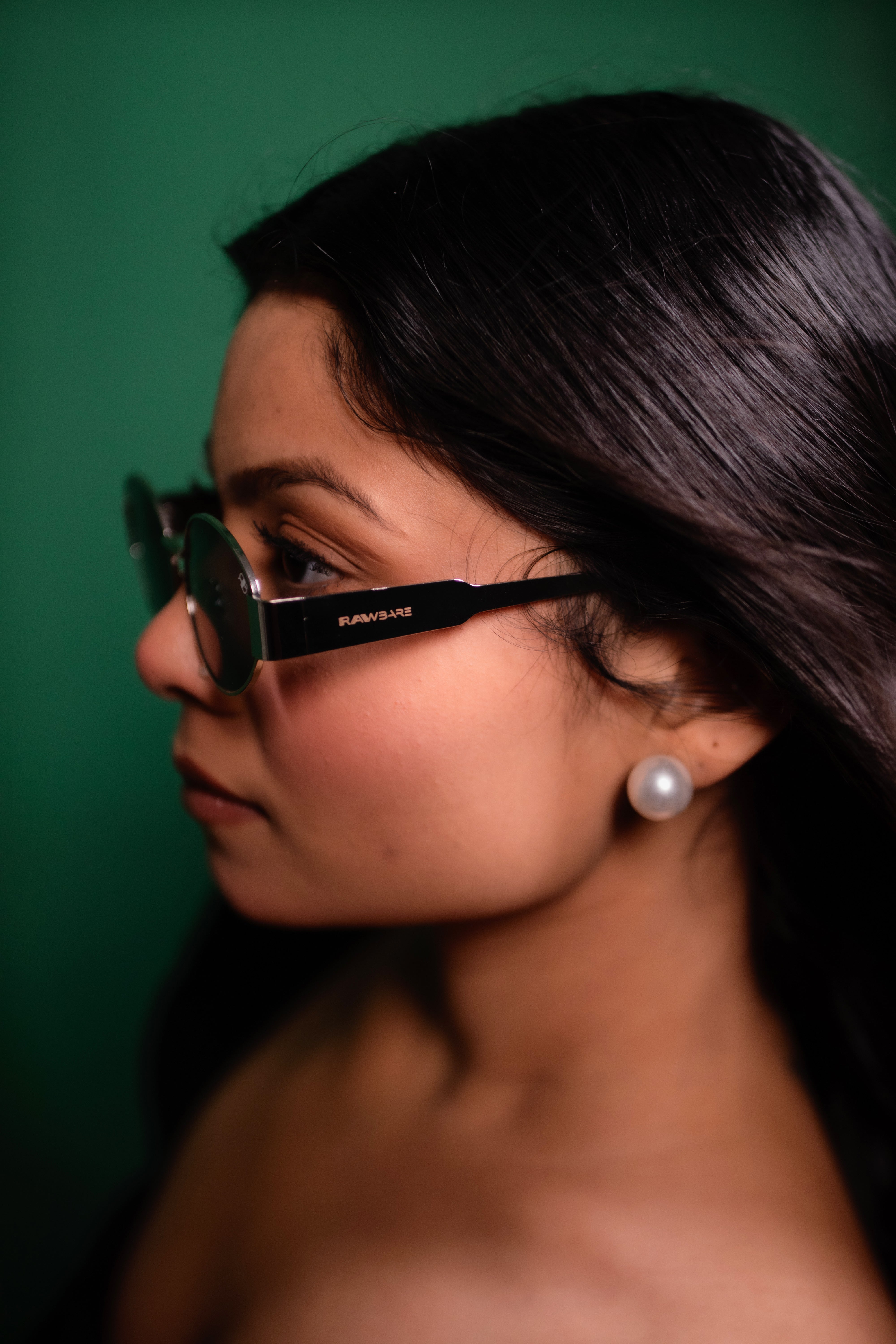
Every frame below is polarized with UV400 protection, built in a lightweight wrap-friendly shape with a secure fit. All are in stock in the sunglasses for biking collection.


Caring for your riding sunglasses

Riding sunglasses take more abuse than everyday pairs. Rinse off dust and sweat with clean water before wiping, dry them with a microfibre cloth rather than your shirt, and store them in a case when they are in your bag so the lenses do not get scratched by keys or tools.
Key takeaways
Frequently asked questions