
Best Sunglasses for Golf: Contrast, Fit and Glare Explained
Sport · Buying Guide
Best Sunglasses for Golf: Contrast, Fit and Glare Explained
The best golf sunglasses are lightweight, sit securely through your swing, and use a contrast-boosting tint so you can read the fairway and greens clearly, all with full UV400 protection. Polarized lenses help with glare and water hazards, though some golfers prefer non-polarized for reading greens. Here is how to choose.
In this article
- What sunglasses are best for golf?
- Should golf sunglasses be polarized?
- What to look for in golf sunglasses
- Best lens colours for golf
- Golf frames to try
- Frequently asked questions
What sunglasses are best for golf?

Golf asks a lot of your eyes: you track a small ball against sky and grass, judge distance and slope, and stay out for hours in changing light. The best golf sunglasses are lightweight so you forget you are wearing them, grip securely so they stay put through the swing, and use a tint that lifts contrast so the course reads clearly. Full UV400 protection is a given for long days outdoors.
Should golf sunglasses be polarized?

This is the one real debate in golf eyewear. Polarized lenses cut glare beautifully, which helps on bright fairways and around water hazards, and they ease eye strain over a round. The trade-off is that some players feel polarization slightly flattens the subtle cues they use to read the break on a green. Many golfers wear polarized happily; others prefer non-polarized for putting. If you want to check whether a pair is polarized, our guide on how to tell if sunglasses are polarized shows three quick tests.
What to look for in golf sunglasses

Prioritise a light frame and a secure, grippy fit that holds through a full swing without sliding. A wrap or semi-wrap shape blocks side glare and stays stable. Comfort matters over 18 holes, so look for a frame that sits gently on the nose and ears. And never compromise on UV400, since a round is several hours of direct sun exposure.
Best lens colours for golf

Lens colour shapes how you read the course. Rose, amber and brown tints are popular for golf because they lift the contrast between the ball, the grass and the sky, which helps you follow ball flight and judge the surface. Grey keeps colours true and is comfortable in very bright, open sun. Green offers a balanced middle ground. Our lens colour guide explains each tint in detail.
Golf frames to try
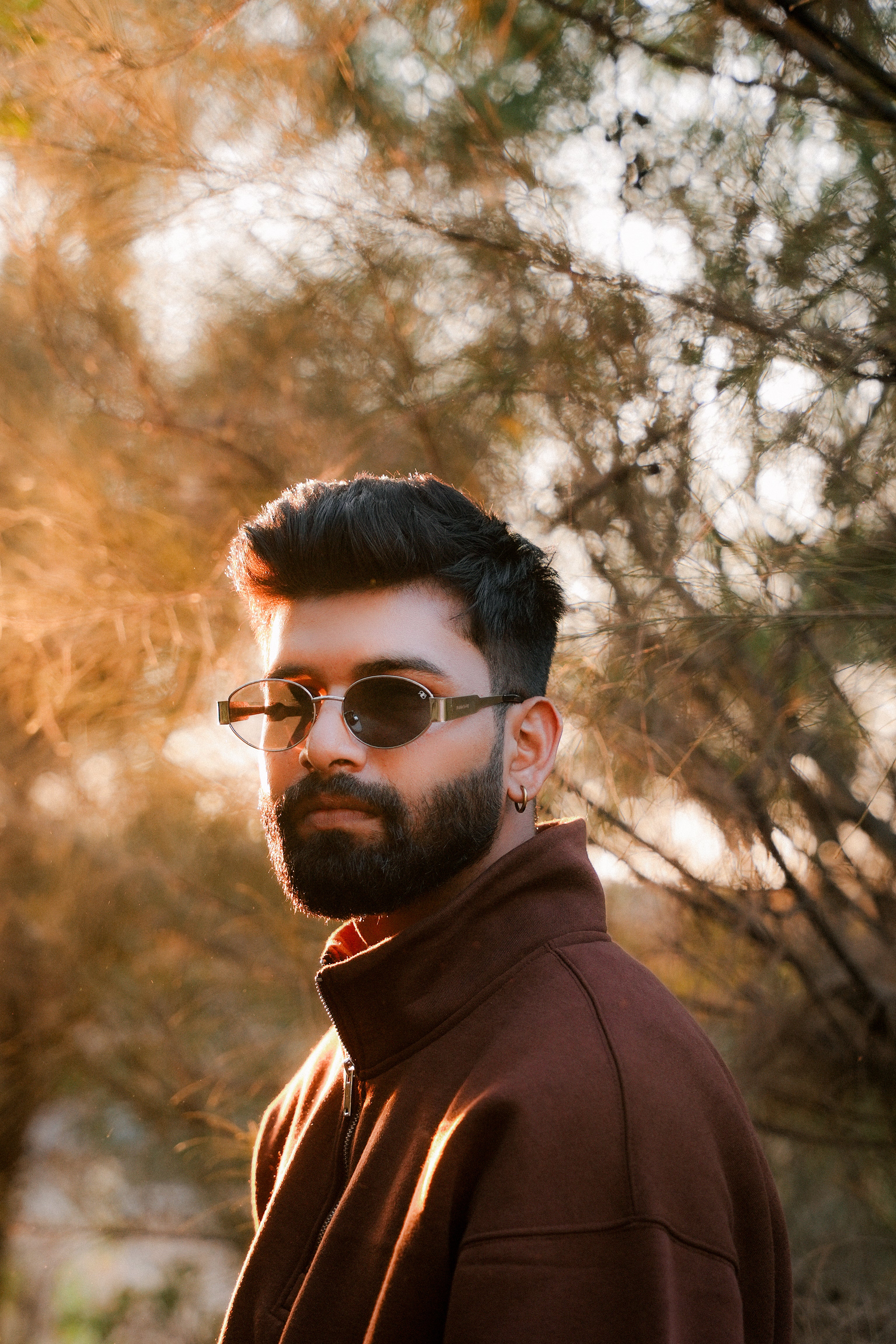
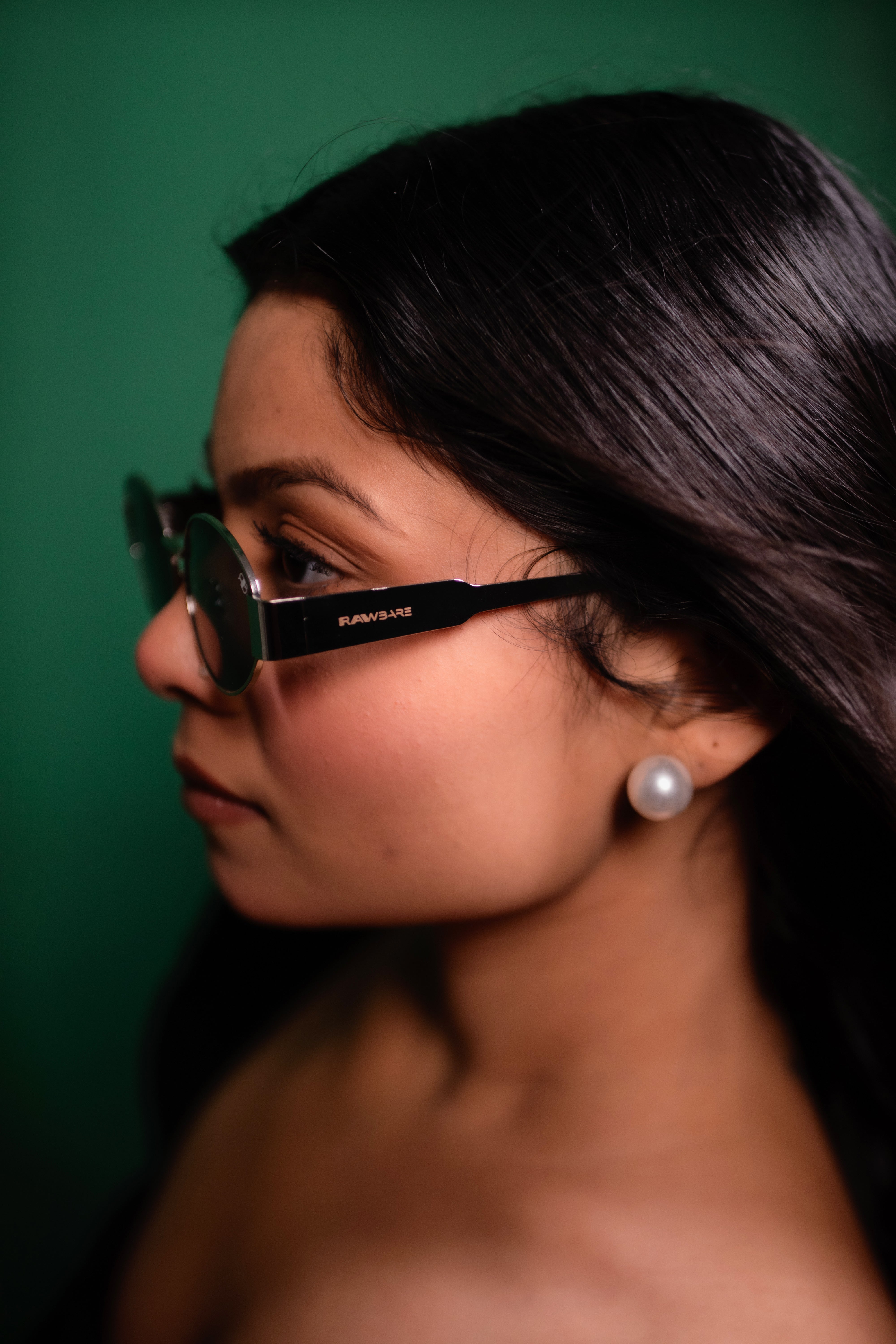
Three in-stock Rawbare frames suited to the course, each polarized with 100% UV400 protection.


Key takeaways
Frequently asked questions