Best Sunglasses for Trekking: Glare, Altitude and Durability | Rawbare
Outdoors & Trekking · Buying Guide
Best Sunglasses for Trekking: Glare, Altitude and Durability
On the trail, your sunglasses are safety gear as much as comfort. They cut blinding glare off snow and water, protect against stronger UV at altitude, and have to survive being packed, dropped and worn for hours.
In this article
- Why trekking is hard on your eyes
- Glare from sun, snow and water
- Why UV gets stronger at altitude
- What to look for in trekking sunglasses
- Best Rawbare sunglasses for trekking
- Caring for them on the trail
Why trekking is hard on your eyes

Trekking keeps you outdoors for hours, often in open, high or reflective terrain. The light is brighter, the surfaces around you bounce it back, and the UV load is higher than at sea level. Add wind, dust and the occasional branch, and your eyes need real protection, not just a fashion tint.
Glare from sun, snow and water

Snow, water and wet rock are some of the most reflective surfaces in nature. The glare off them is intense and tiring, and on snow it can be genuinely dazzling. Polarized lenses filter that reflected glare, so trails, edges and footing stay clearly visible through a long day outdoors.
Why UV gets stronger at altitude

UV exposure rises the higher you climb, because there is less atmosphere to filter it. Snow and water also reflect UV back up at your eyes, which adds to the load. That is why eye protection matters more on mountain treks and high routes than it does on a casual walk at sea level.
What to look for in trekking sunglasses

| Feature | What to look for | Why it matters |
|---|---|---|
| Lens | Polarized with UV400 | Cuts snow and water glare, blocks 100% of UVA and UVB |
| Durability | Sturdy, flexible frame | Survives packing, knocks and rough handling |
| Coverage | Wrap-friendly shape | Blocks side glare, wind and dust on exposed trails |
| Fit | Secure grip | Stays put on steep climbs and descents |
Best Rawbare sunglasses for trekking
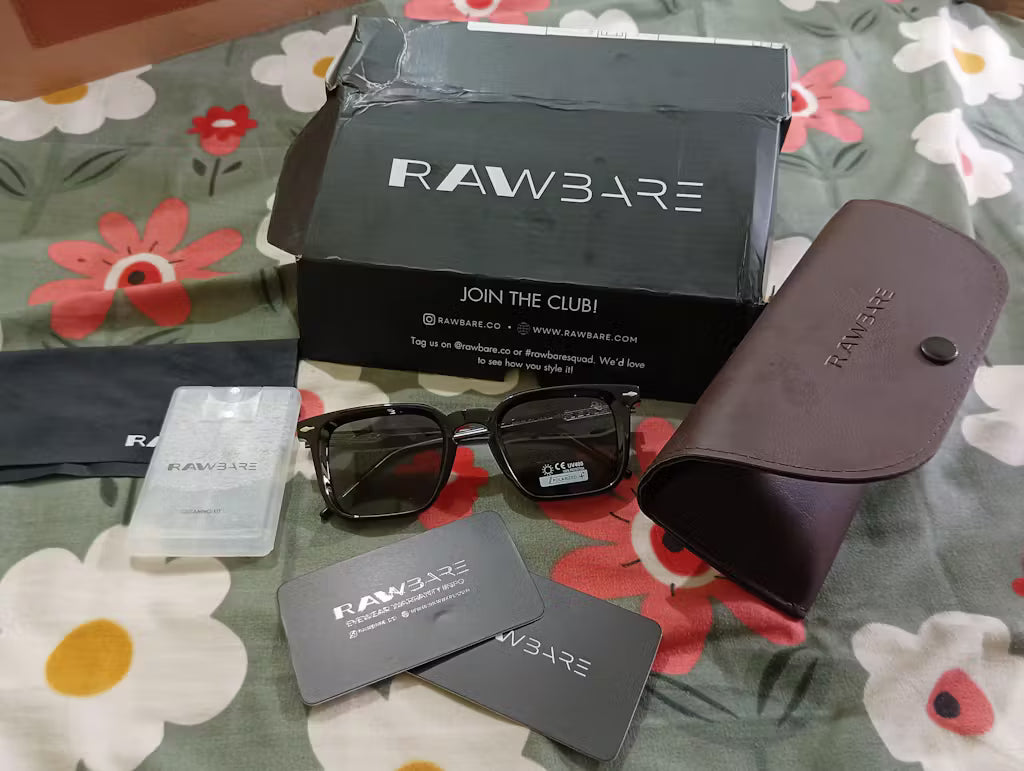
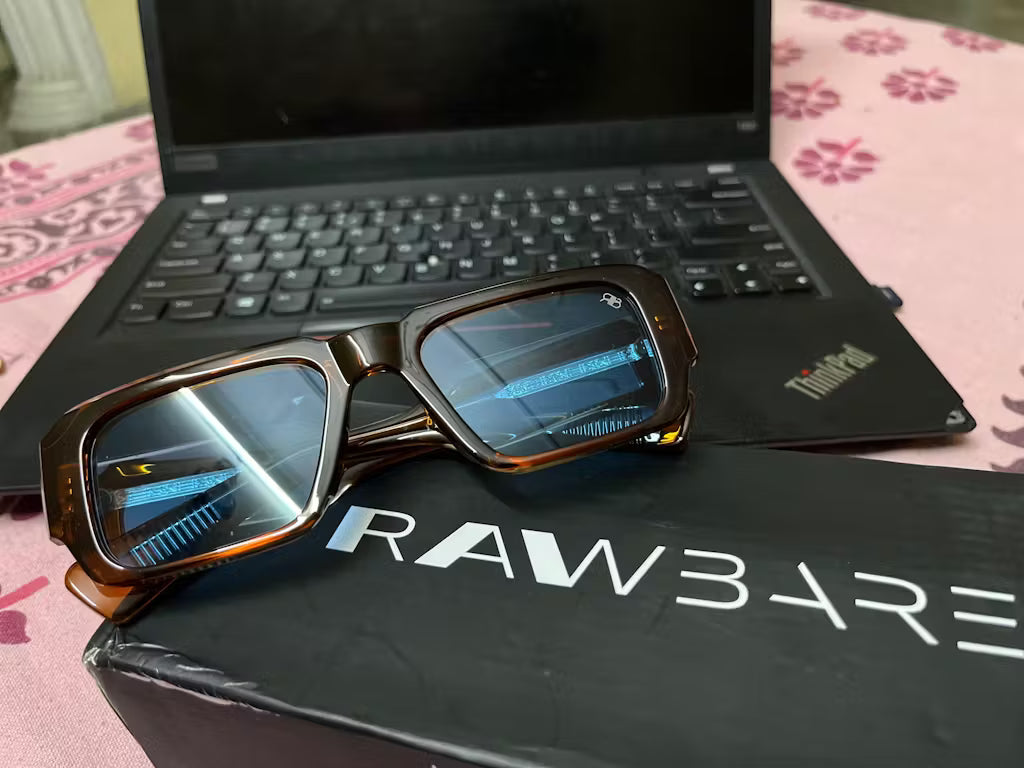
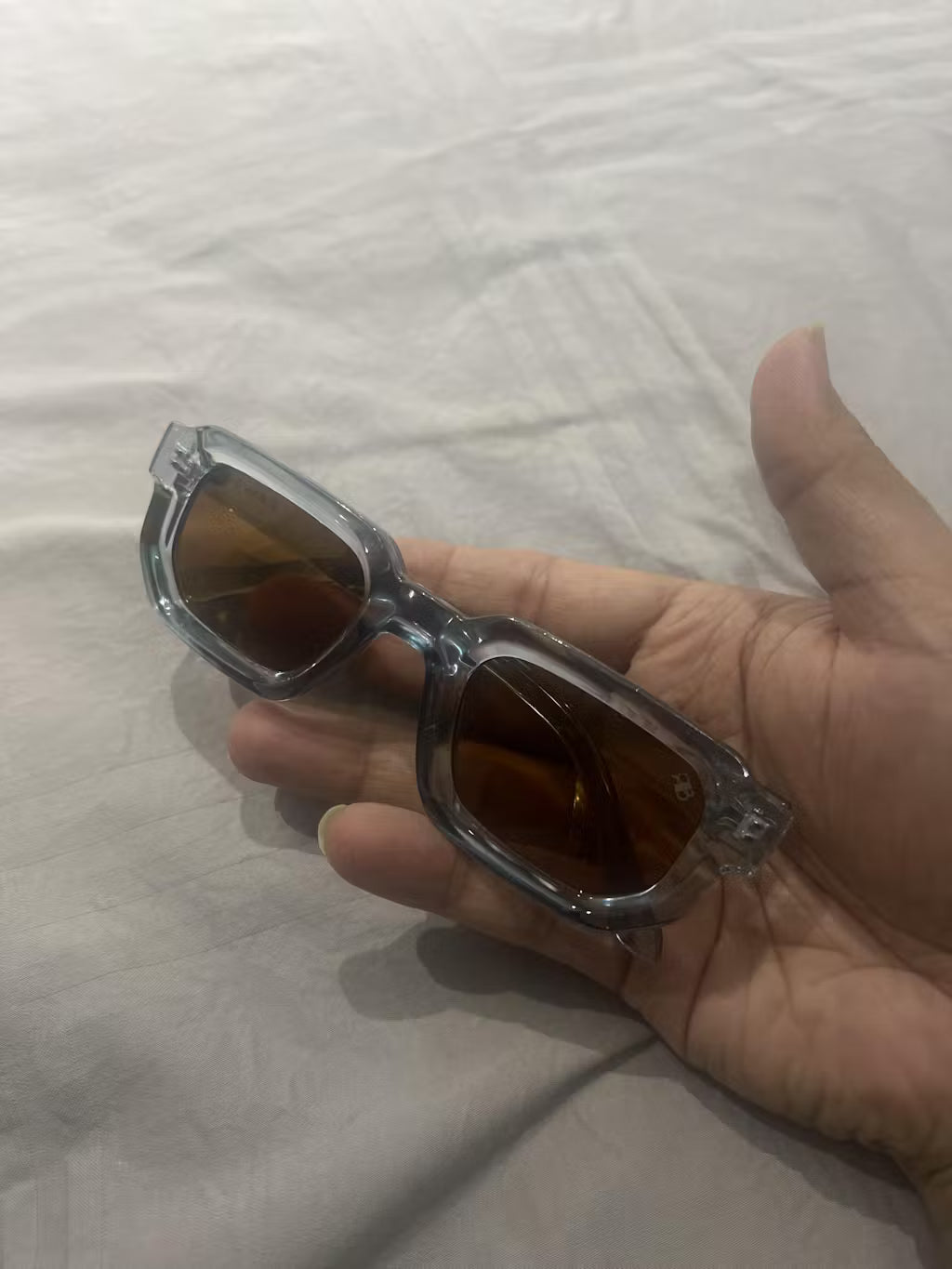
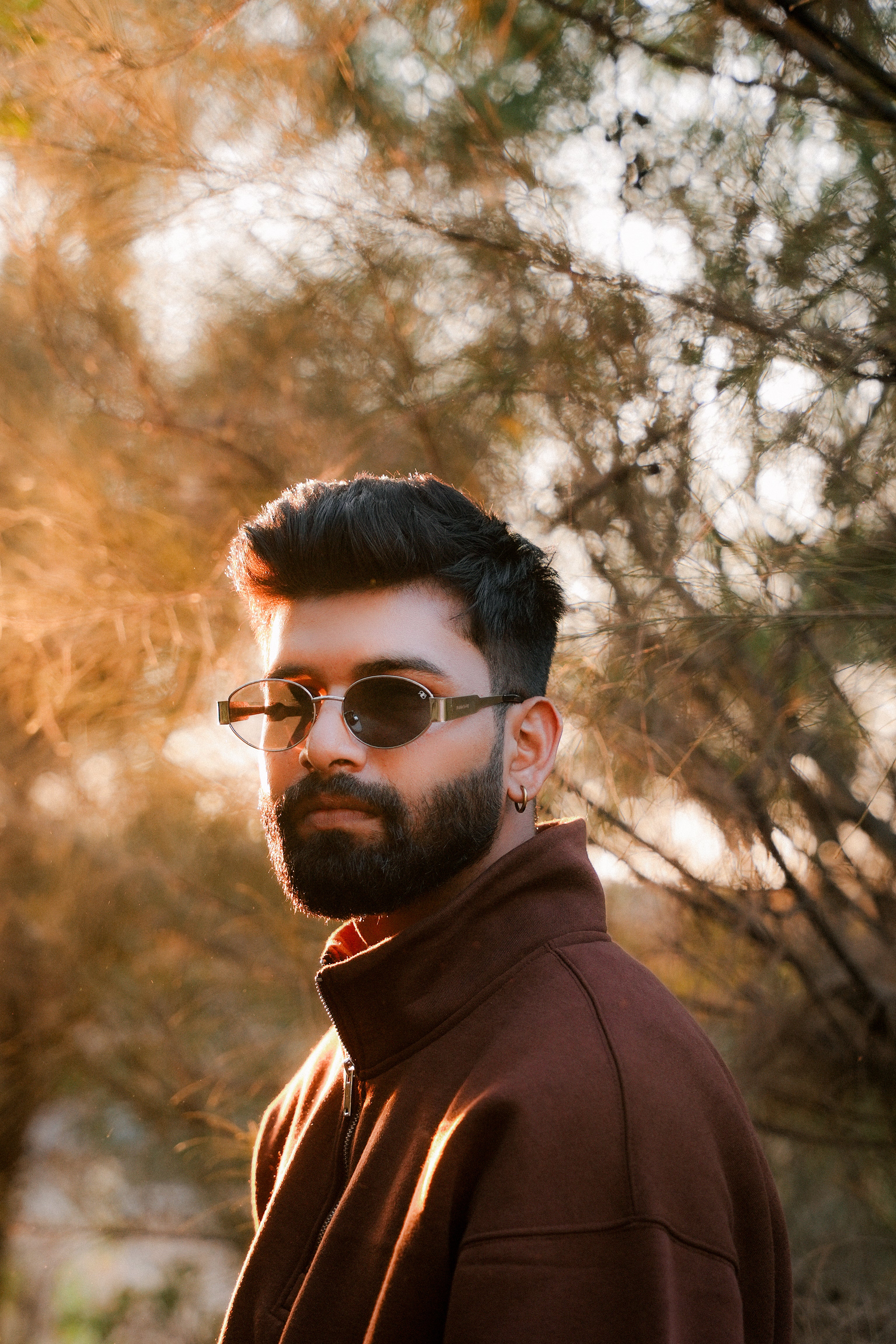
Each frame below is polarized with UV400 protection in a durable, secure-fit build, in stock in the sunglasses for trekking collection.


Caring for them on the trail
Trail dust and sweat scratch lenses if you wipe them dry. Rinse with clean water first when you can, then dry with a microfibre cloth. Keep the pair in a case inside your pack so trekking poles, keys and gear do not scuff the lenses between wears.
Key takeaways
Frequently asked questions