Sleep Science
Blue Light and Sleep: What the Research Actually Says
Blue light from screens suppresses melatonin. Blue light glasses block the problem. Both statements are widely believed. The research tells a more complicated story.
🕐 9 min read🔮 Research💤 Sleep Science
In this article
- How your body clock actually works
- Blue light and melatonin: the real mechanism
- Do screens produce enough blue light to matter?
- What the research says about blue light glasses
- The 2023 Cochrane Review
- What actually disrupts sleep at night
- Evidence-based ways to protect sleep
- Screen use and sleep in India
- Frequently asked questions
How your body clock actually works

The human body runs on a 24-hour biological clock called the circadian rhythm. This internal clock regulates sleep, wakefulness, hormone production, body temperature, digestion, and dozens of other physiological functions. Light is the most powerful external regulator of the circadian rhythm. The eye contains a specialised set of cells — intrinsically photosensitive retinal ganglion cells (ipRGCs) — whose sole function is to detect ambient light and signal the suprachiasmatic nucleus (SCN) in the brain, the master clock. These cells are most sensitive to short-wavelength light in the 460 to 480 nm range, which corresponds to blue light.
The Biology
Why blue light in the morning is necessary and good
Morning sunlight is rich in blue wavelengths. Exposure to bright blue-rich light in the morning suppresses residual melatonin, raises cortisol, and advances the circadian phase, making you alert. The problem is not blue light itself. The problem is blue light at the wrong time: in the hours before sleep.
Blue light and melatonin: the real mechanism

Melatonin is a hormone produced by the pineal gland that signals the body that it is time to sleep. Light exposure in the evening, particularly short-wavelength blue light in the 460 to 500 nm range, suppresses melatonin production by signalling to the brain that it is still daytime. Research published in the Journal of Clinical Endocrinology and Metabolism demonstrated that short-wavelength light is significantly more effective at suppressing melatonin than longer-wavelength light of equivalent intensity.
A 2024 literature review published in Chronobiology Medicine found that blue light exposure before bedtime consistently caused circadian delays and inhibited melatonin secretion, with measurable effects on sleep onset time and sleep quality.
The key wavelengths
Not all blue light is equally disruptive. Research by the American Chemical Society found that wavelengths in the range of 460 to 500 nm are the primary suppressors of melatonin production. The intensity and spectrum of the light source matters, not simply whether it contains any blue wavelengths at all.
Do screens produce enough blue light to matter?

Here is where the popular narrative starts to break down. Laboratory studies demonstrating melatonin suppression were largely conducted using light at intensities far higher than what a typical smartphone or laptop screen emits. The sun at midday delivers approximately 100,000 lux of illuminance. A smartphone screen held at arm's length typically delivers 50 to 200 lux. A 2022 systematic review in Heliyon concluded that the low-illuminance blue light emitted by digital devices presents a risk to circadian health that remains an ongoing area of scientific debate.
Intensity is the variable
A study published in Scientific Reports found that cool white LED lamps produce a Melatonin Suppression Value of approximately 12.3%. A typical smartphone screen produces far less blue light than a room lit with cool white LEDs. Overall indoor lighting may matter more for sleep than phone screens specifically.
What the research says about blue light glasses

Most commercially available blue light filtering lenses filter between 20 and 30% of blue light in the 380 to 500 nm range. Whether this reduction meaningfully changes melatonin levels or sleep quality is what the clinical trials have examined.
Evidence that supports
Laboratory studies confirm blue light at sufficient intensity suppresses melatonin. Some individual trials report modest sleep improvements when blue light glasses are worn 1 to 2 hours before bed. A 2025 Frontiers in Neurology systematic review found some evidence that blue light blocking glasses may improve sleep onset in certain populations.
Evidence against
The 2023 Cochrane systematic review of 17 randomised controlled trials found no significant benefit of blue light filtering lenses for reducing eye strain or improving sleep quality. The American Academy of Ophthalmology states there is no scientific evidence supporting special eyewear for computer use.
The 2023 Cochrane Review: why it matters
In August 2023, the Cochrane Collaboration published a systematic review of 17 randomised controlled trials involving 619 participants. The Cochrane Collaboration is considered the gold standard of medical evidence synthesis. The headline finding: blue light filtering lenses probably make little to no difference to eye strain compared to standard lenses. There was also no convincing evidence that they improve sleep quality, reduce headaches, or meaningfully affect visual comfort in screen users.
The Cochrane finding
The 2023 Cochrane review concluded it is uncertain whether blue light filtering lenses reduce visual fatigue associated with computer use. The review authors noted that better-quality studies are needed before any definitive conclusion can be drawn, but available evidence does not support the primary marketing claims. The review also found no evidence of harm from wearing them.
What actually disrupts sleep at night

If blue light from screens is a smaller contributor than popularly believed, what is actually responsible for late-night screen use disrupting sleep?
-
Mental stimulation and arousal: Using a smartphone before bed involves social comparison, notifications, and emotional engagement. These activities elevate cortisol and cognitive arousal independent of any light effect.
-
Delayed sleep timing: Screen use at night tends to simply displace sleep. People who use phones in bed go to sleep later, regardless of blue light.
-
Room lighting: The ambient lighting in the room almost certainly delivers more blue-wavelength light than the phone screen itself.
-
Incomplete blinking: Screen use significantly reduces blink rate, causing dry eye and eye strain commonly attributed to blue light but which are entirely separate phenomena.
Evidence-based things that actually protect sleep
1
Screen brightness, not just blue content, affects alertness. Reducing brightness to minimum comfortable levels one to two hours before sleep has stronger evidence than blue light filtering specifically.
2
Warm white LEDs (below 3000K) produce significantly lower melatonin suppression than cool white LEDs. Changing your room lights has a larger documented effect than wearing blue light glasses under a cool-white ceiling fixture.
3
Device night modes shift screen colour toward warmer tones. Evidence for their sleep effect is modest but the cost is zero.
4
Removing screens before sleep addresses both the light mechanism and psychological arousal simultaneously. This has the strongest evidence base of any intervention for screen-related sleep disruption.
5
Morning sunlight exposure has stronger evidence for improving sleep quality than evening blue light blocking. It anchors the circadian rhythm and reduces the body's sensitivity to evening light disruption.
Screen use and sleep in India
India has among the highest per-capita smartphone screen time in the world. A 2024 study across Indian student populations found that late-night device use was directly associated with delayed sleep onset, reduced total sleep time, and daytime fatigue. The mechanism appears to be primarily behavioural displacement of sleep combined with elevated arousal from social media and messaging activity, with light-based melatonin suppression as a secondary contributor.
India context
Indian households increasingly use cool-white LED bulbs (5000K to 6500K) which have a high blue light component. Switching to warm-white LEDs (2700K to 3000K) in bedrooms is likely to have a larger positive effect on sleep quality than purchasing blue light filtering glasses for evening screen use.
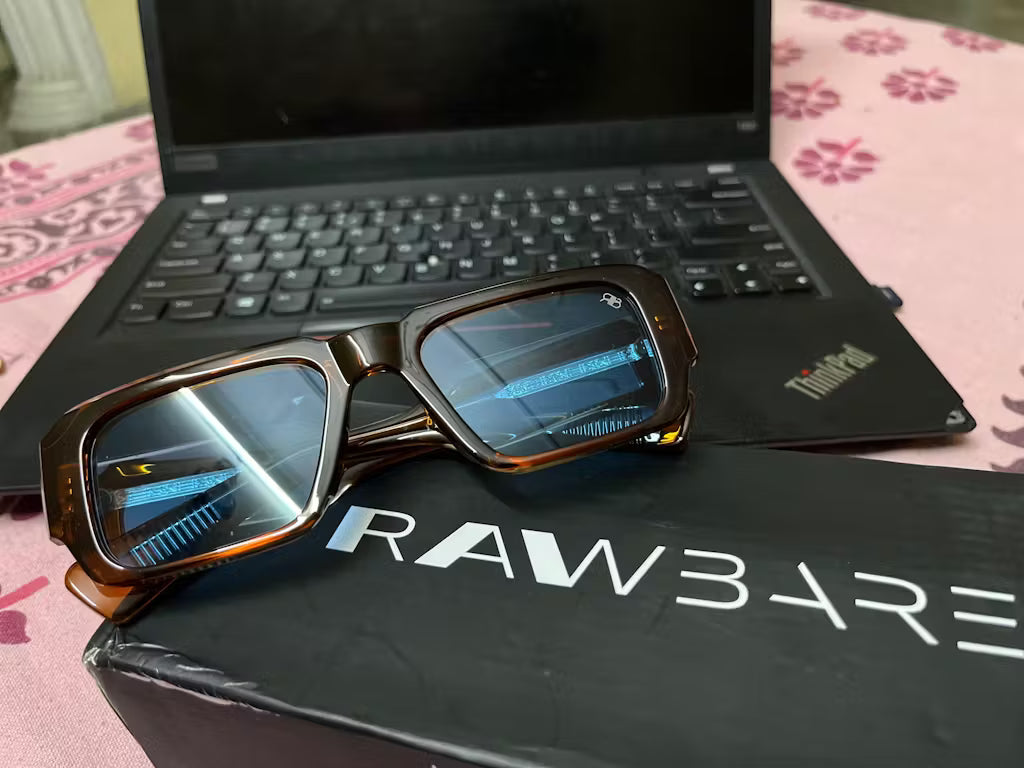
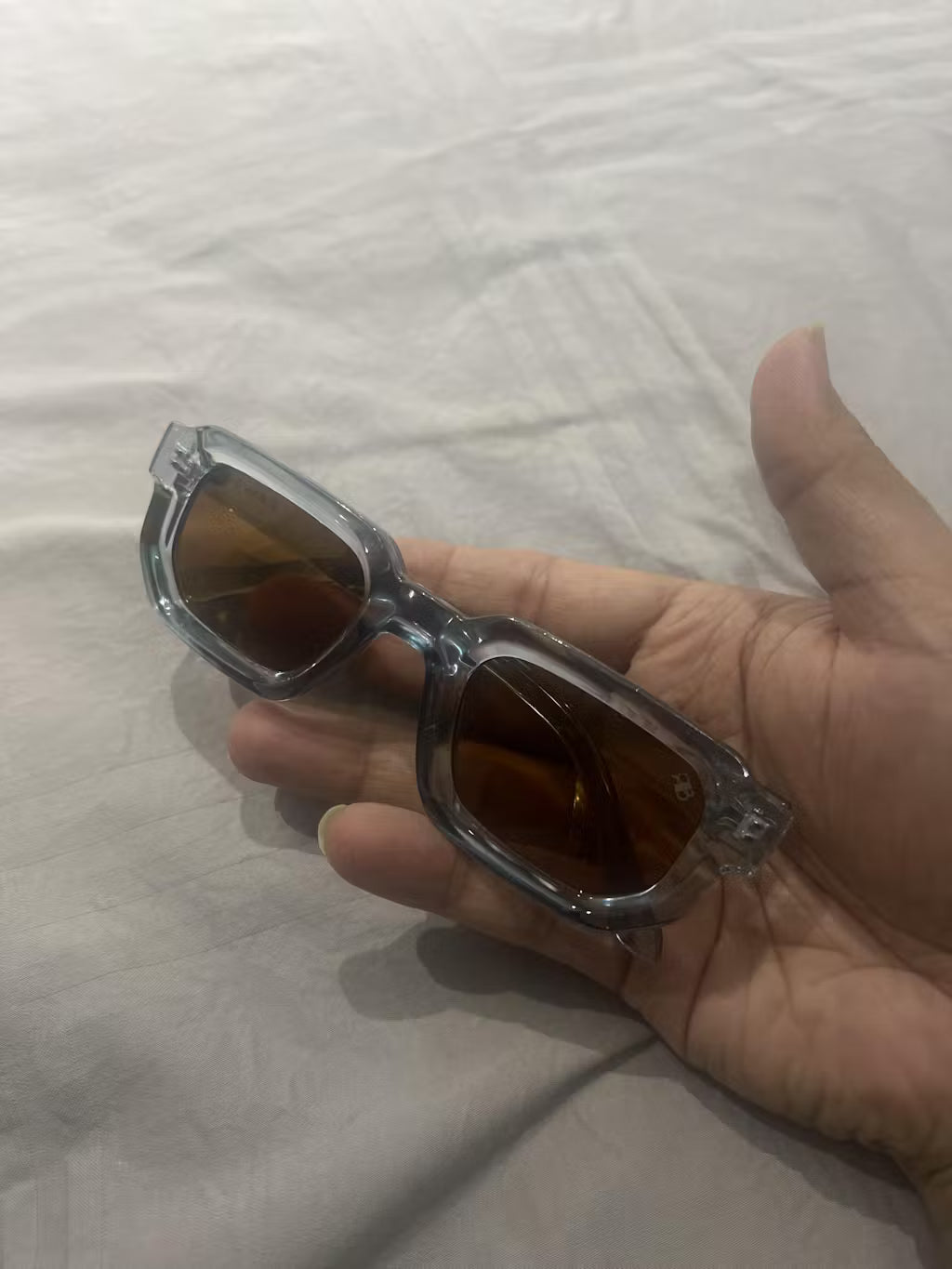
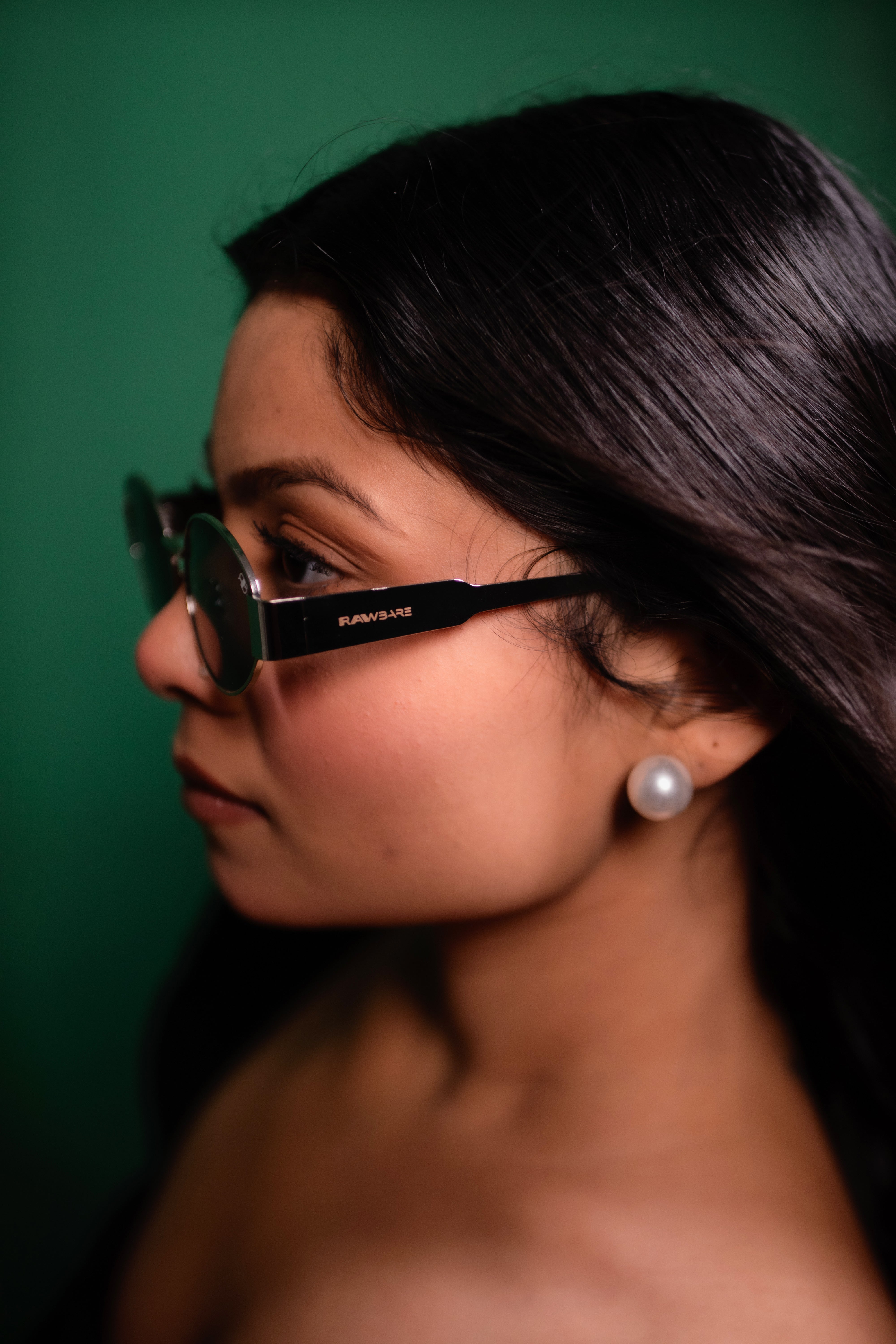
Rawbare blue-cut computer glasses
If you spend long hours at a screen, reducing eye strain starts with the right frame. These frames carry blue-cut lenses designed specifically for screen use.

Groove — Black Round
Blue-Cut Lens • Anti-Glare • Round
View Frame

Timeless — Black Rectangle
Blue-Cut Lens • Anti-Glare • Rectangle
View Frame

Vintage Cube — Red
Blue-Cut Lens • Anti-Glare • Rectangle
View Frame
Frequently asked questions
Q1 Does blue light from phones actually affect sleep?
Blue light suppresses melatonin production — a well-established biological mechanism. Whether the specific intensity of blue light from phone screens is sufficient to cause meaningful sleep disruption is debated. The psychological arousal from screen content likely has a larger practical effect on sleep than the light wavelength itself.
Q2 Do blue light glasses actually improve sleep?
The 2023 Cochrane systematic review of 17 randomised controlled trials found no convincing evidence that blue light filtering glasses improve sleep quality. Some individual studies report modest benefits when glasses are worn 1 to 2 hours before sleep, but the overall evidence base does not support the sleep improvement claims made by most blue light glasses brands.
Q3 What wavelength of blue light is most harmful to sleep?
Research has identified the 460 to 500 nm wavelength range as most effective at suppressing melatonin production. The specific wavelengths emitted by most smartphone and laptop screens fall within this range, though at much lower intensity than laboratory test conditions.
Q4 Is using Night Mode on a phone enough to protect sleep?
Night mode shifts screen colour temperature toward warmer tones, reducing blue wavelength output. Evidence for sleep improvement from night mode alone is modest. Stopping screens 30 to 60 minutes before bed has stronger evidence for improving sleep quality than any filtering technology.
Q5 Should I buy blue light glasses for my child or teenager?
Research on adolescents consistently shows that late-night screen use disrupts sleep. More effective interventions are: setting device curfews (no screens 45 to 60 minutes before bed), keeping phones outside the bedroom at night, and switching to warm-white lighting in the bedroom.
Q6 Are blue light glasses harmful in any way?
The 2023 Cochrane review found no meaningful evidence of harm from wearing blue light filtering glasses. They are not dangerous, but the evidence does not currently support their primary marketing claims around sleep improvement.
Key takeaways
✓ Blue light in the 460 to 500 nm range suppresses melatonin — a well-established biological mechanism
✓ Whether screen intensity is sufficient to trigger this effect in real-world use remains scientifically debated
✓ The 2023 Cochrane review of 17 trials found no convincing evidence blue light glasses reduce eye strain or improve sleep
✓ Psychological arousal from screen content likely disrupts sleep more than light wavelength in practical use
✓ Room lighting (cool-white LEDs) may deliver more sleep-disrupting blue light than the phone screen itself
✓ Switching to warm-white room lighting has stronger evidence than blue light glasses
✓ Stopping screens 30 to 60 minutes before bed has the strongest evidence base of any intervention
✓ Morning sunlight exposure is one of the most effective sleep regulators