
Can You Wear Sunglasses at Night? What's Safe and What Isn't
Eye Care · Safety
Can You Wear Sunglasses at Night? What's Safe and What Isn't
You should not wear dark, tinted sunglasses for night driving, because they cut too much light and reduce what you can see. For style at evening events off the road, lightly tinted day-night frames are fine. Here is what is safe, what is not, and what actually helps with night glare.
In this article
- Can you wear sunglasses at night?
- Why dark sunglasses are unsafe for night driving
- Wearing sunglasses at night for style
- What actually helps with night driving glare
- Frequently asked questions
Can you wear sunglasses at night?

It depends on what you are doing. For driving or any situation where you need to see clearly in low light, the answer is no: dark sunglasses reduce the little light available and make it harder to see the road, people and hazards. For pure style at an indoor or evening event, off the road, a lightly tinted pair is a personal choice. The key line is safety. If seeing well matters, keep the dark lenses off.
Why dark sunglasses are unsafe for night driving

At night there is already very little light to work with. Sunglasses are designed to cut brightness, so wearing them after dark removes light your eyes badly need. That lowers contrast, makes it harder to judge distance, and can make dark-clothed pedestrians or unlit hazards almost invisible. It also slows how quickly your eyes adjust between dark roads and bright headlights. For all these reasons, dark sunglasses and night driving do not mix.
Wearing sunglasses at night for style

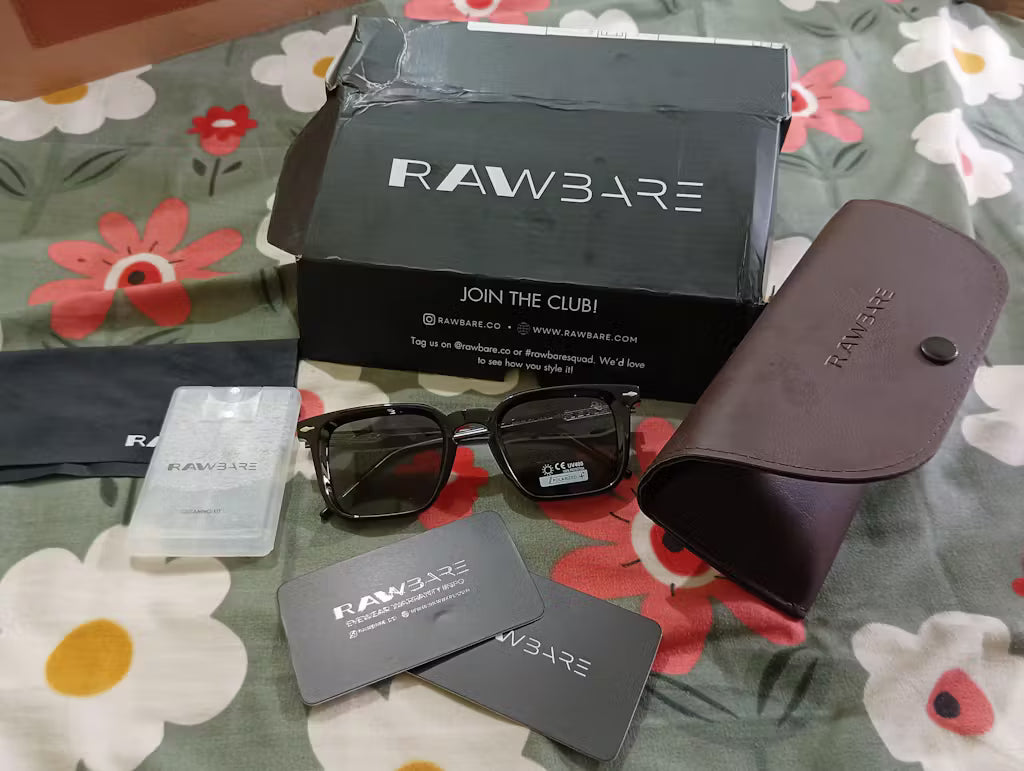
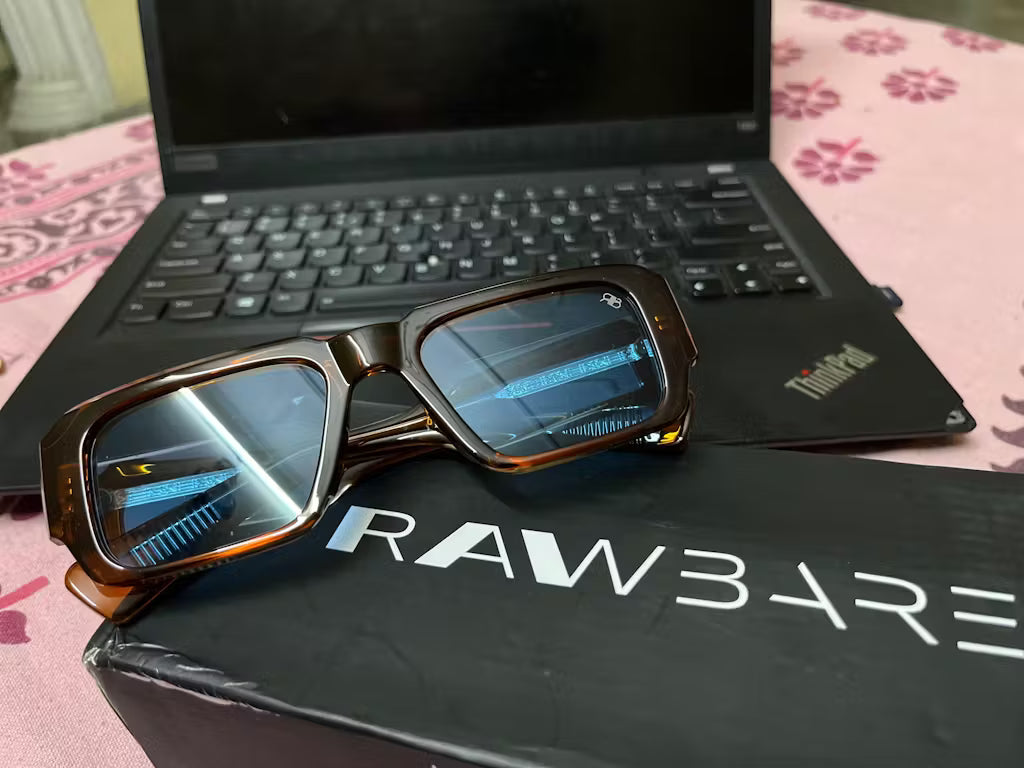
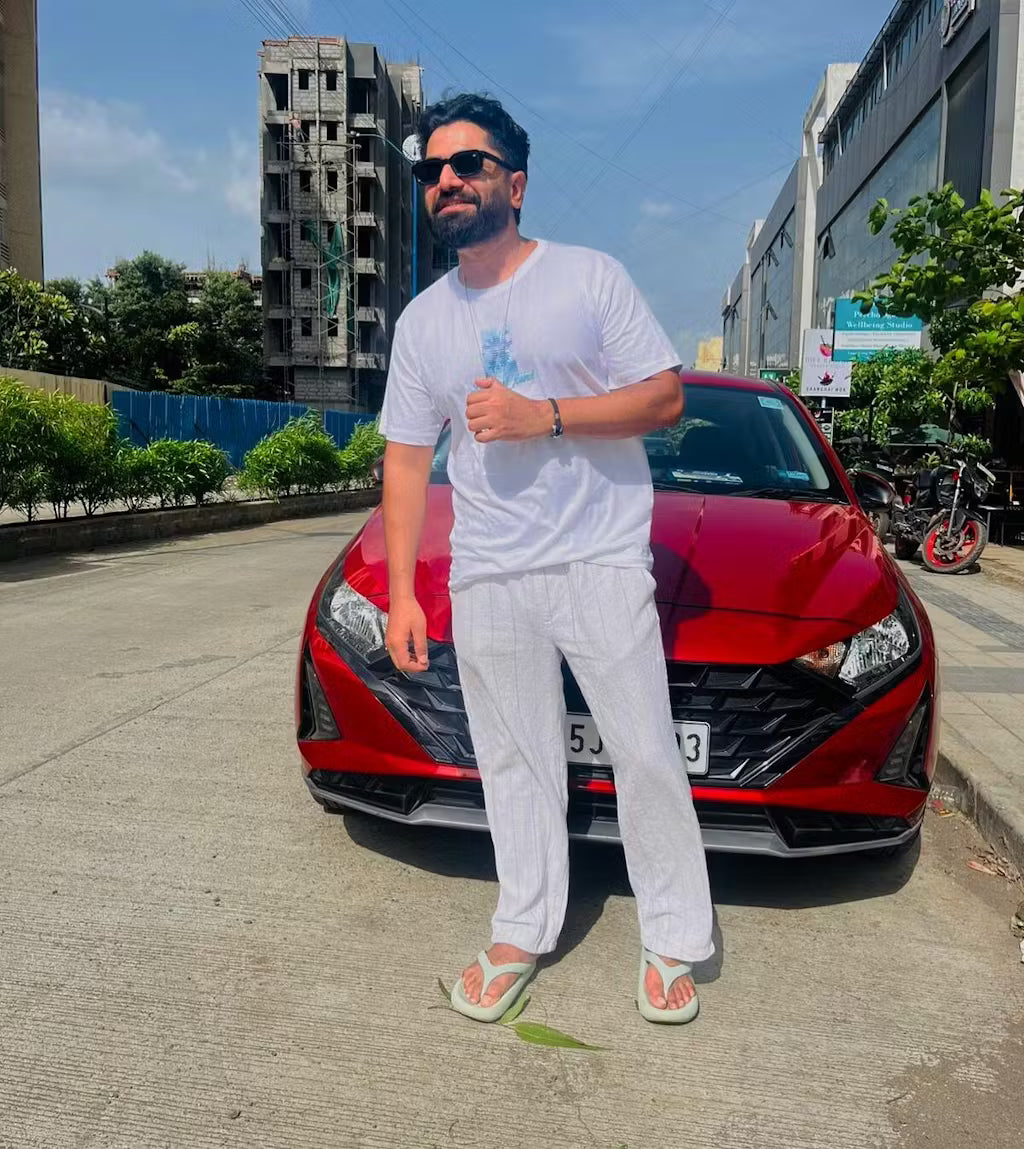
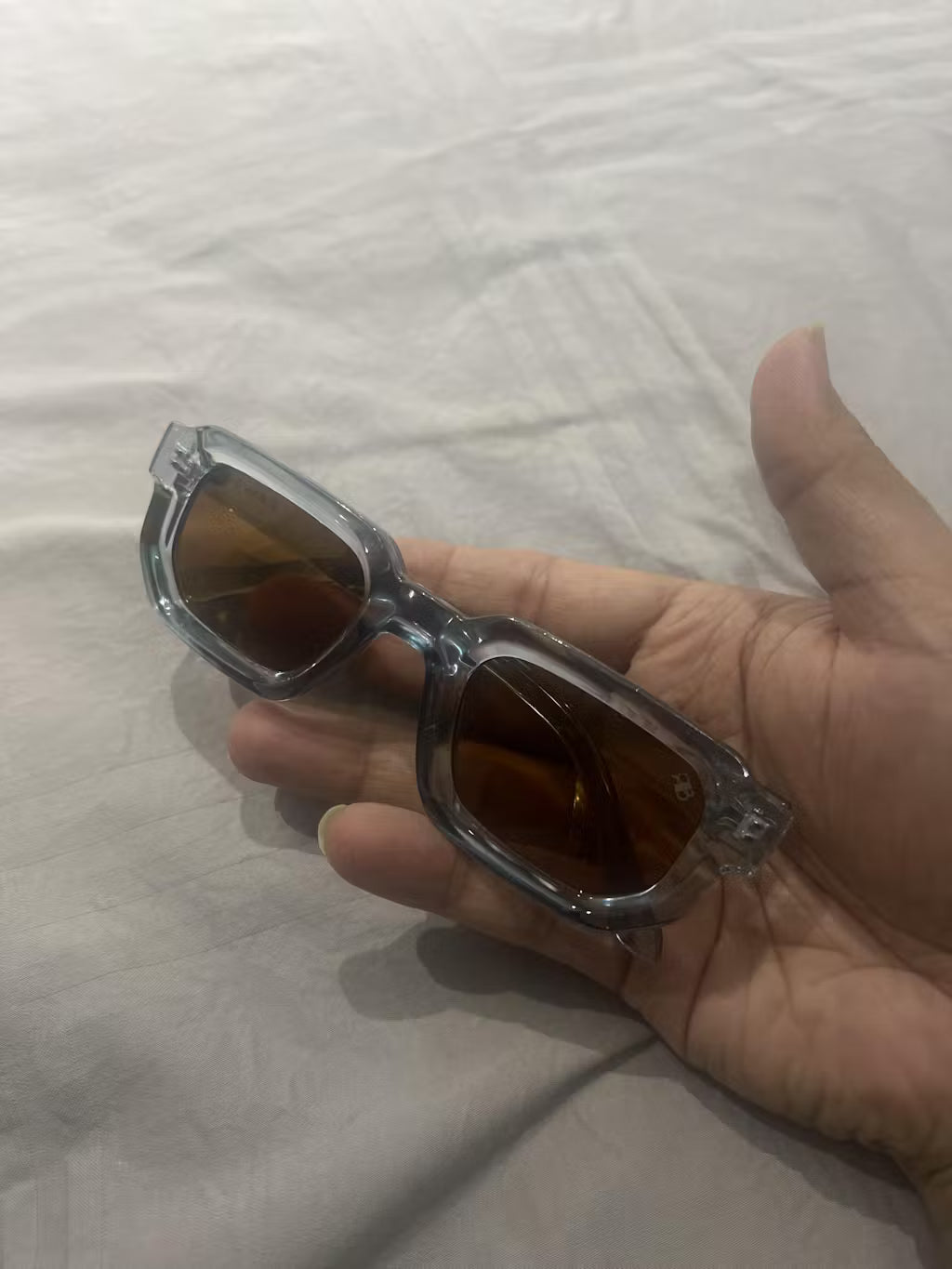
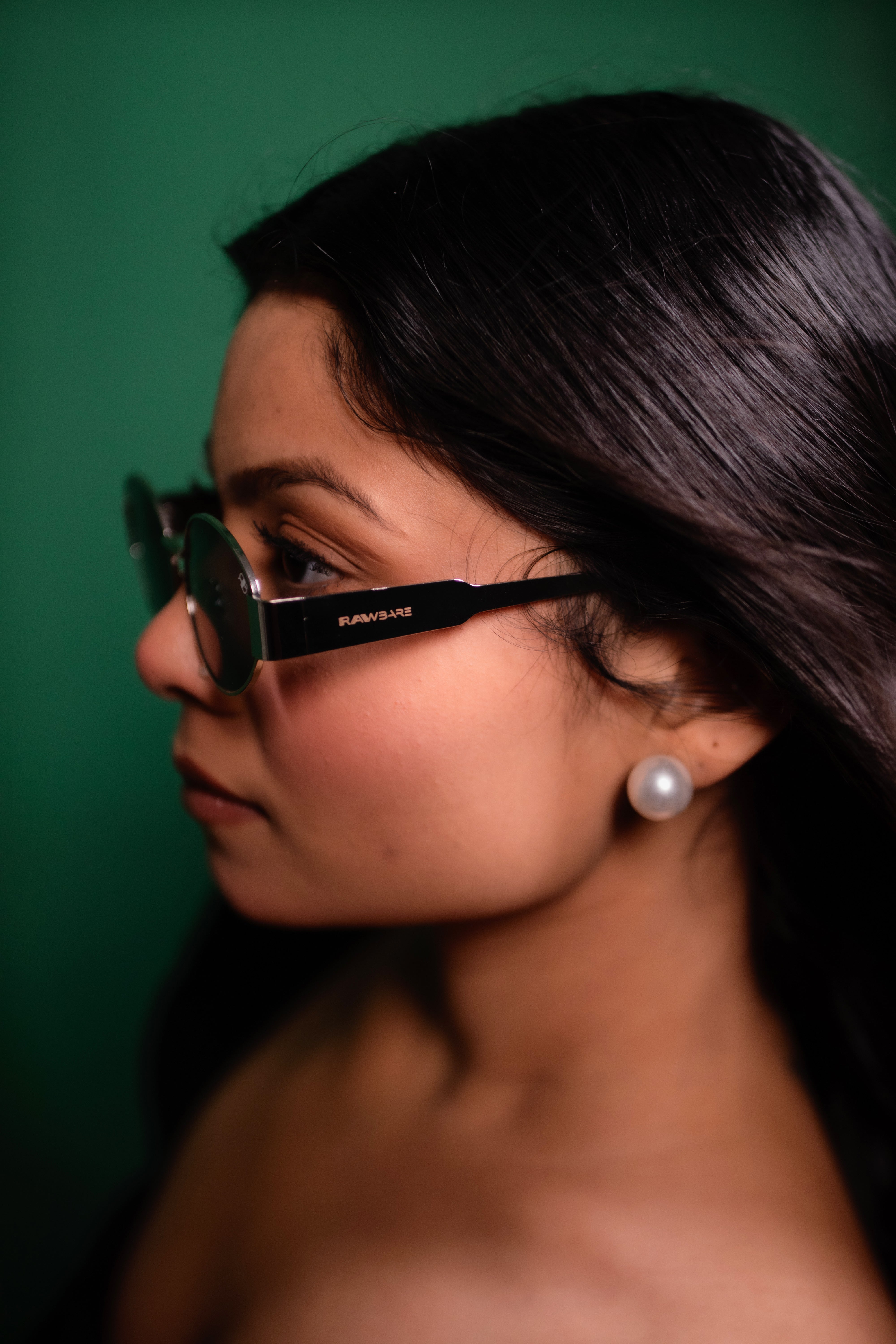
Away from driving, sunglasses at night are simply a style choice. At parties, concerts and evening events, lightly tinted frames can finish a look. This is exactly what Rawbare Day Night frames are made for: they are fixed-tint, style-led sunglasses designed to carry you from daytime through to evening events, not a driving aid. Worn off the road, in a social setting, a light tint is fine. Explore the look in the Day Night sunglasses collection.
What actually helps with night driving glare

If headlight glare bothers you at night, the fix is not a dark lens. Clear lenses with an anti-reflective coating reduce the halos and scatter from oncoming headlights while letting full light through, which is what you want after dark. Keeping your windscreen and glasses clean makes a real difference too, since smears amplify glare. Be cautious of yellow-tinted night driving glasses, as the evidence that they improve night vision is limited. Our guide to lens coatings explains how anti-reflective coatings work. If glare troubles you often, an eye test is worth booking.
Key takeaways
Frequently asked questions