Lens Technology · Explainer
Polarized Sunglasses Explained: How They Work and Who They Suit
Polarized is the word every sunglass brand uses, but few explain. Here is what it actually does, who gets the most from it, and the one situation where you should leave them off.
🕑 6 min read🕶 Lens tech📖 Explainer
In this article
- What polarized sunglasses are
- How polarized lenses work
- Polarized versus non-polarized
- Who benefits most
- When not to wear polarized
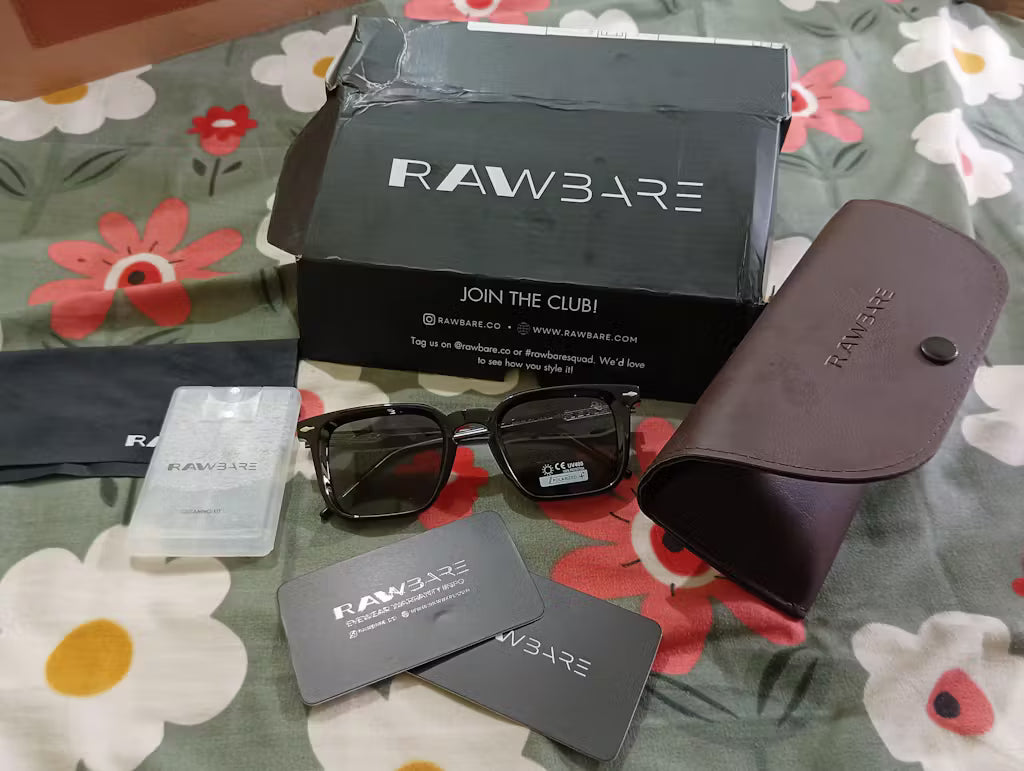
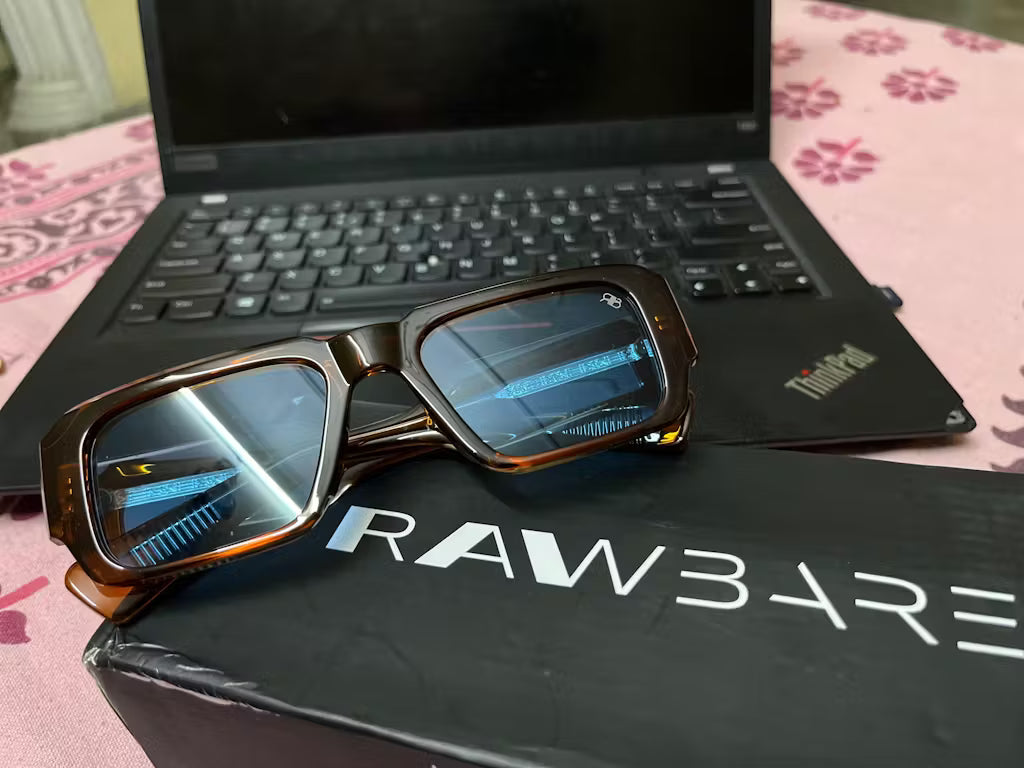
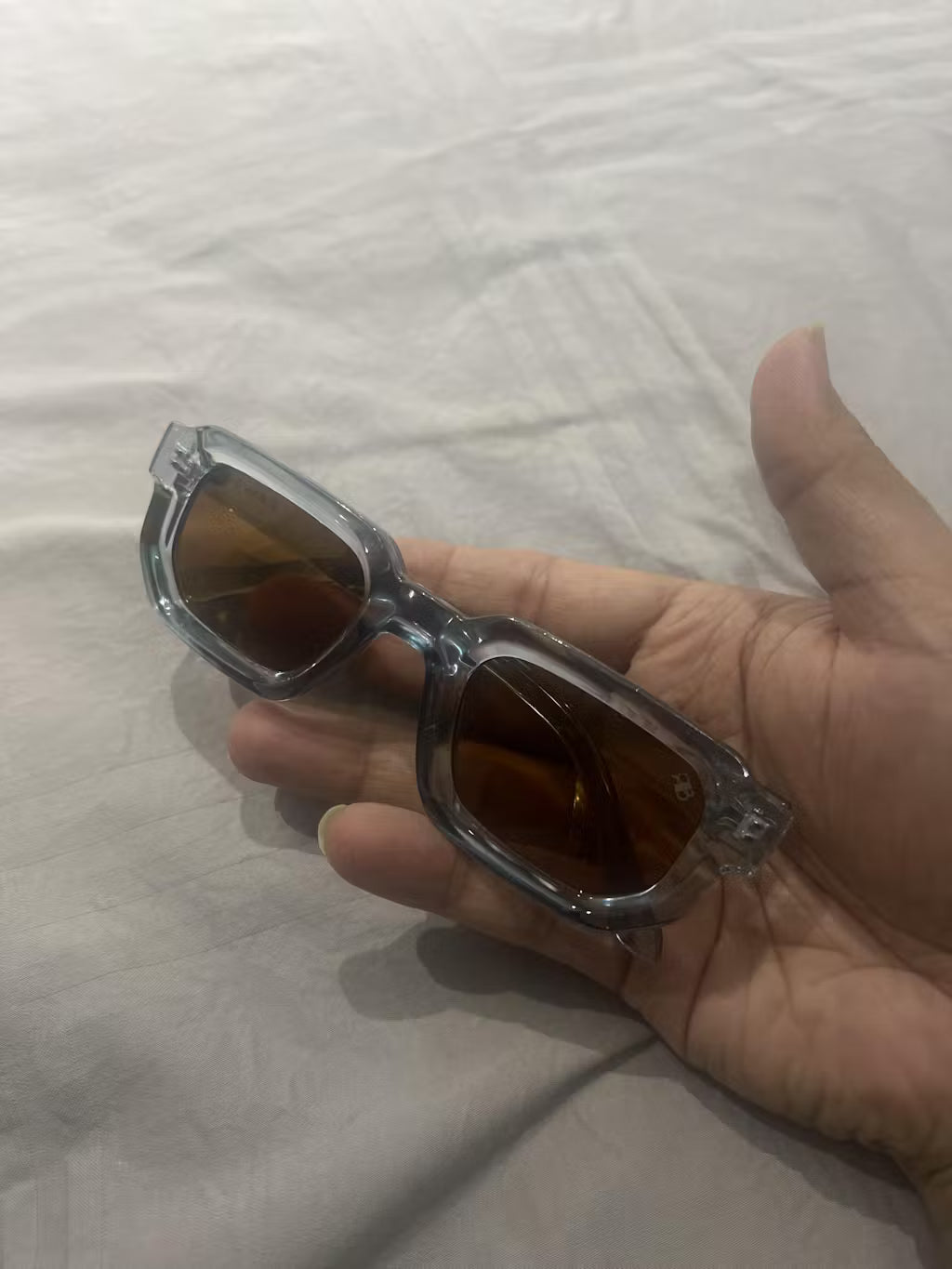
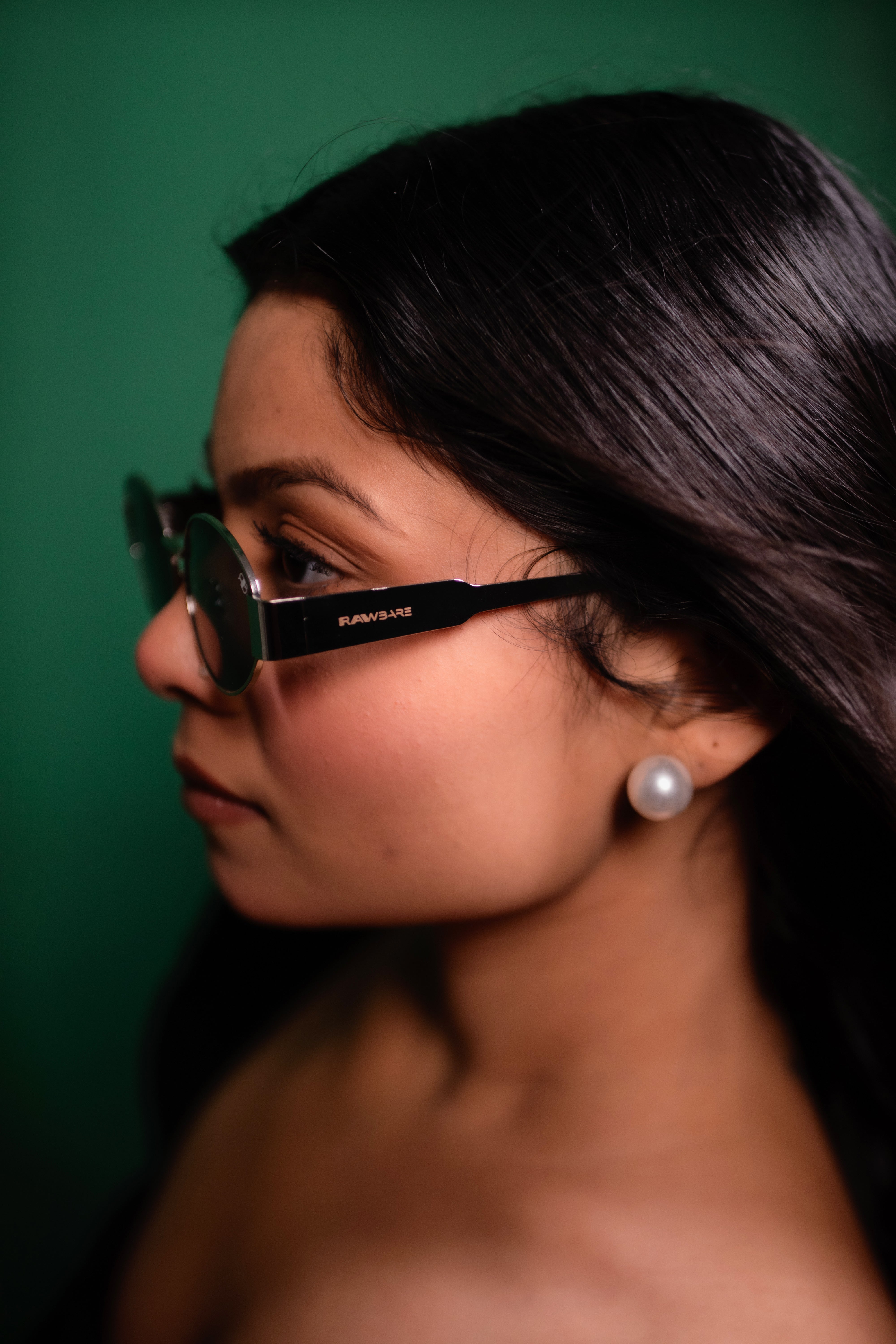
- Best Rawbare polarized sunglasses
What polarized sunglasses are

Polarized sunglasses have a special filter built into the lens that blocks intense reflected glare. They are not just darker sunglasses. The filter targets a specific kind of light, which is why the world looks clearer and more comfortable through them in bright conditions, not simply dimmer.
In one sentence
Polarized sunglasses use a built-in filter that blocks horizontal reflected glare, giving sharper contrast and more comfortable vision in bright light.
How polarized lenses work

When sunlight bounces off a flat surface like a road, water or a car bonnet, it becomes concentrated horizontal light. That is glare, and it is what makes you squint and lose detail. A polarized lens contains a filter aligned to block that horizontal light while letting useful vertical light through. The result is less glare, better contrast and reduced eye strain.
Polarized versus non-polarized

Polarized
Blocks reflected horizontal glare. Sharper contrast, truer colour, less strain in bright light.
Non-polarized
Reduces overall brightness only. Comfortable, but glare off bright surfaces remains.
Both can carry full UV protection, so polarization is about visual comfort and clarity rather than UV safety. UV400 handles the eye protection regardless of polarization.
Who benefits most

| You are |
Why polarized helps |
| Driving by day |
Cuts glare off the road, water and other vehicles |
| Near water or beach |
Removes harsh glare bouncing off the surface |
| Playing sport outdoors |
Lifts contrast so you track moving objects clearly |
| Out in bright sun |
Reduces squinting and eye fatigue over long days |
When not to wear polarized
Important
Do not wear polarized tinted lenses for night driving. They are made for daylight and cut too much light in the dark. Polarized lenses can also make some LCD screens, like certain dashboards and phones, look dim or patchy at angles.
Best Rawbare polarized sunglasses
Each frame below is polarized with UV400 protection, in stock in the polarized sunglasses collection.
Rawbare guarantee
Every Rawbare pair is polarized where stated, carries UV400 protection, and comes with a 6-month conditional warranty.
Shop polarized sunglasses.
Key takeaways
✓ Polarized lenses block reflected horizontal glare
✓ They sharpen contrast, not just darken the view
✓ Best for driving, water, sport and bright sun
✓ Not for night driving, and can dim some LCD screens
✓ UV400 handles eye protection regardless of polarization
Frequently asked questions
Q1 What are polarized sunglasses?
Polarized sunglasses have a filter built into the lens that blocks intense reflected glare from surfaces like roads and water. They give sharper contrast and more comfortable vision in bright light, rather than simply making everything darker.
Q2 How do polarized lenses work?
Light reflecting off a flat surface becomes concentrated horizontal glare. A polarized lens contains a filter aligned to block that horizontal light while letting useful light through, which cuts glare and reduces eye strain.
Q3 What is the difference between polarized and non-polarized?
Polarized lenses block reflected glare for clearer, more comfortable vision in bright light. Non-polarized lenses only reduce overall brightness, so glare off bright surfaces remains. Both can include full UV protection.
Q4 Are polarized sunglasses good for driving?
Yes for daytime driving, where they cut glare off the road and other vehicles. They are not recommended for night driving, and they can make some LCD dashboards or phone screens look dim at certain angles.
Q5 Does Rawbare offer a warranty on its sunglasses?
Yes. Every Rawbare pair comes with a 6-month conditional warranty from the date of delivery, covering manufacturing defects such as corrosion, rusting and coating or colour issues. See the Rawbare Warranty Policy for full details.