Eye Health · UV Protection
Why UV Protection is Non-Negotiable: The Importance of Sunglasses for Your Eye Health
UV damage to the eyes is silent, cumulative, and permanent. By the time symptoms appear, the damage is already done. Here is what you need to know — and why starting protection now matters more than most people realise.
🕑 6 min read🛡 Eye health☀ UV protection
In this article
- UV radiation and the eye
- What UV exposure causes over time
- India's UV context
- What UV400 protection means
- Polarized vs UV — the difference
UV radiation and the eye
The human eye is remarkably sensitive to ultraviolet radiation — more so than skin. Unlike skin, which shows UV damage through burning, the eye absorbs UV silently. There is no immediate signal. The damage accumulates across years and decades before manifesting as visible conditions.
UV rays come in two categories relevant to eye health: UVA (315–400nm) penetrates deep into the eye and contributes to cataracts and macular damage. UVB (280–315nm) is more energetic and causes acute effects like photokeratitis — essentially sunburn of the cornea.
What UV exposure causes over time
👁
Cataracts
UV exposure accelerates the clouding of the eye's natural lens. Cataracts are the leading cause of blindness worldwide. Consistent UV protection from a young age significantly reduces lifetime risk.
👀
Macular degeneration
Long-term UV and high-energy visible light exposure damages the macula — the part of the retina responsible for central vision. Age-related macular degeneration is irreversible.
🔥
Photokeratitis
Essentially a corneal sunburn caused by acute UVB exposure. Symptoms include intense pain, light sensitivity, and temporary vision loss. Recovers in 24–72 hours but causes cumulative damage with repeated exposure.
⚡
Pterygium
A fleshy growth on the white of the eye that can extend across the cornea. Strongly associated with chronic UV exposure. Common in India due to high ambient UV levels.
India's UV context
Important context for India
India's position near the equator means UV index levels regularly reach 10–11 (extreme) — even in winter and on overcast days. At UV index 10, unprotected skin and eyes can be damaged in under 15 minutes. Cloud cover reduces visible light by up to 80% but has minimal effect on UV radiation.
This means the case for UV400 protection in India is stronger than in temperate countries. It is not a summer accessory — it is a year-round necessity for anyone spending meaningful time outdoors.
What UV400 protection means
UV400 means the lenses block all ultraviolet radiation up to 400 nanometres — covering 99 to 100 percent of both UVA and UVB rays. It is the highest level of UV protection available in consumer sunglasses.
The protection comes from the lens coating, not the lens colour or darkness. A clear lens with UV400 coating is as effective as a dark tinted lens with the same coating. Always look for the explicit UV400 label.
Polarized vs UV — the difference
These are two separate things that are frequently confused:
UV400 vs polarized
UV400 blocks invisible ultraviolet radiation — the kind that causes long-term eye damage.
Polarized blocks horizontal visible light that causes glare off reflective surfaces. For maximum protection and visual comfort, you want both.
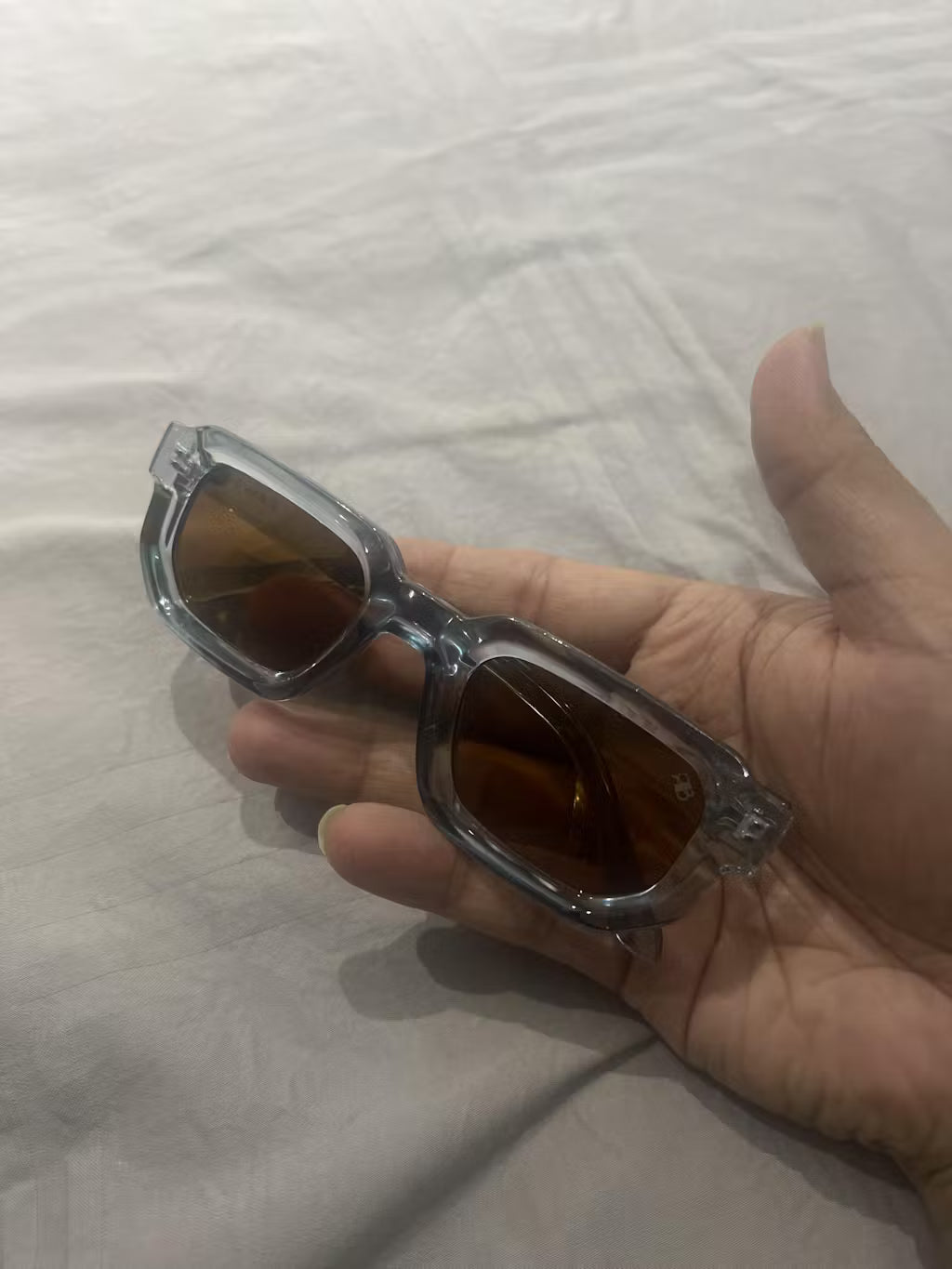
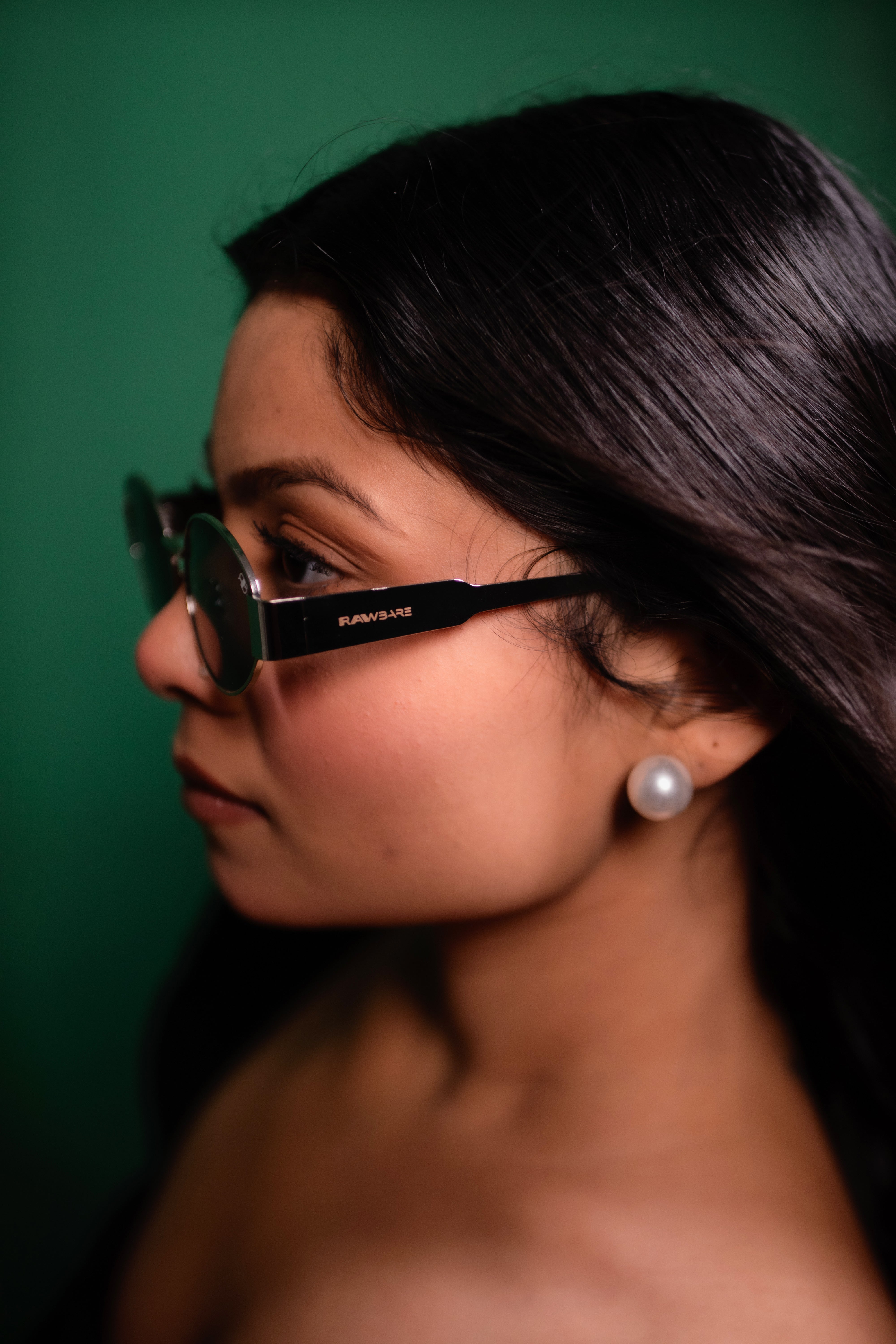
All Rawbare sunglasses include UV400 as standard. Many frames also offer polarized lenses — look for Polarized in the product name.
Shop Rawbare polarized UV400 sunglasses — the most complete protection for daily use in India.
Key takeaways
✓ UV damage to eyes is silent and cumulative — no immediate signal
✓ UV causes cataracts, macular degeneration, and corneal damage
✓ India's UV index is extreme year-round, not just in summer
✓ UV400 = 100% UV protection — the only standard worth looking for
✓ Polarized and UV protection are different — you want both
Q1 Are UV rays present in India year-round?
Yes. UV rays are present year-round in India, not just in summer. India's position near the equator means UV radiation is intense even in winter and on overcast days. Cloud cover reduces visible light but not UV radiation.
Q2 What eye conditions does UV exposure cause?
Long-term UV exposure causes cataracts, age-related macular degeneration, photokeratitis which is sunburn of the cornea, and increases the risk of eyelid and eye cancer. UV damage is cumulative and invisible in the moment — it builds silently across years of unprotected exposure.
Q3 What does UV400 mean on sunglasses?
UV400 means the lenses block 99 to 100 percent of all ultraviolet light up to 400 nanometres — covering both UVA and UVB rays completely. It is the highest level of UV protection available in sunglasses.
Q4 Do Rawbare sunglasses have UV400 protection?
Yes — every Rawbare frame includes UV400 protection as a standard feature across all collections. It is not an upgrade or premium option — it is included in every pair, across every collection.
Q5 Is UV protection the same as glare protection?
No. UV400 blocks invisible ultraviolet radiation that causes long-term eye damage. Polarized lenses block horizontal visible light that causes glare. For full protection you want both — polarized UV400 lenses.