Best Sunglasses for Cricket: Polarized Lenses, Glare and Fit | Rawbare
Sport & Cricket · Buying Guide
Best Sunglasses for Cricket: Polarized Lenses, Glare and Fit
Cricket is played for hours under an open sky. The right sunglasses cut glare off the field, keep the ball sharp against the sky, and stay locked on through every run and dive.
In this article
- Why cricketers wear sunglasses
- Polarized lenses and tracking the ball
- Fit for fielding and running
- What to look for in cricket sunglasses
- Best Rawbare sunglasses for cricket
- Polarized versus regular tint
Why cricketers wear sunglasses

A cricketer can be on the field for hours in direct sun. Glare off the grass, the pitch and the bright sky makes it harder to pick up the ball, judge a catch or read a high one against the light. Sunglasses keep vision sharp, cut fatigue, and protect the eyes from a long day of UV.
Polarized lenses and tracking the ball

Polarized lenses cut the reflected glare bouncing off the field and bright surfaces, which lifts contrast. That means the ball stands out more cleanly against the grass and the sky, so it is easier to track off the bat and judge in the air.
Fit for fielding and running

Fielding involves sprinting, diving and sudden movement, so a pair that slips is useless. Cricket sunglasses need a lightweight build and a secure grip fit that holds steady through quick movement, so you can chase and dive without them shifting.
What to look for in cricket sunglasses

| Feature | What to look for | Why it matters |
|---|---|---|
| Lens | Polarized with UV400 | Sharper contrast for the ball, full UVA and UVB protection |
| Fit | Secure grip | Stays put while running, fielding and diving |
| Weight | Lightweight frame | Comfortable across a long innings or session |
| Coverage | Wrap-friendly shape | Blocks side glare and wind on an open field |
Best Rawbare sunglasses for cricket
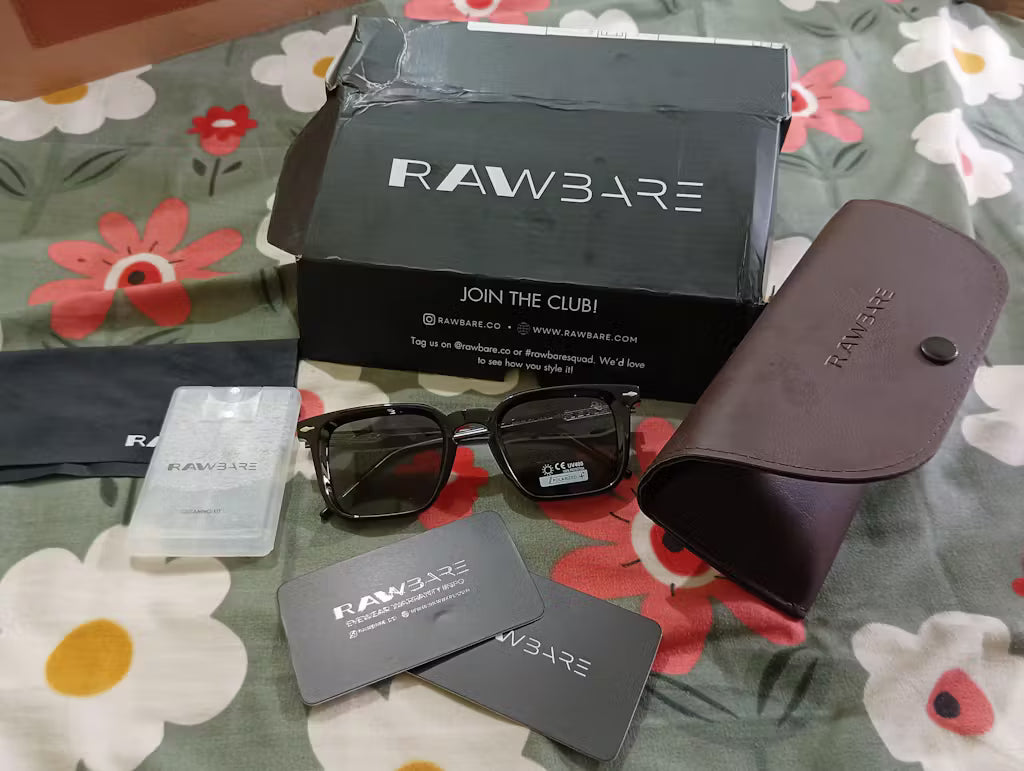
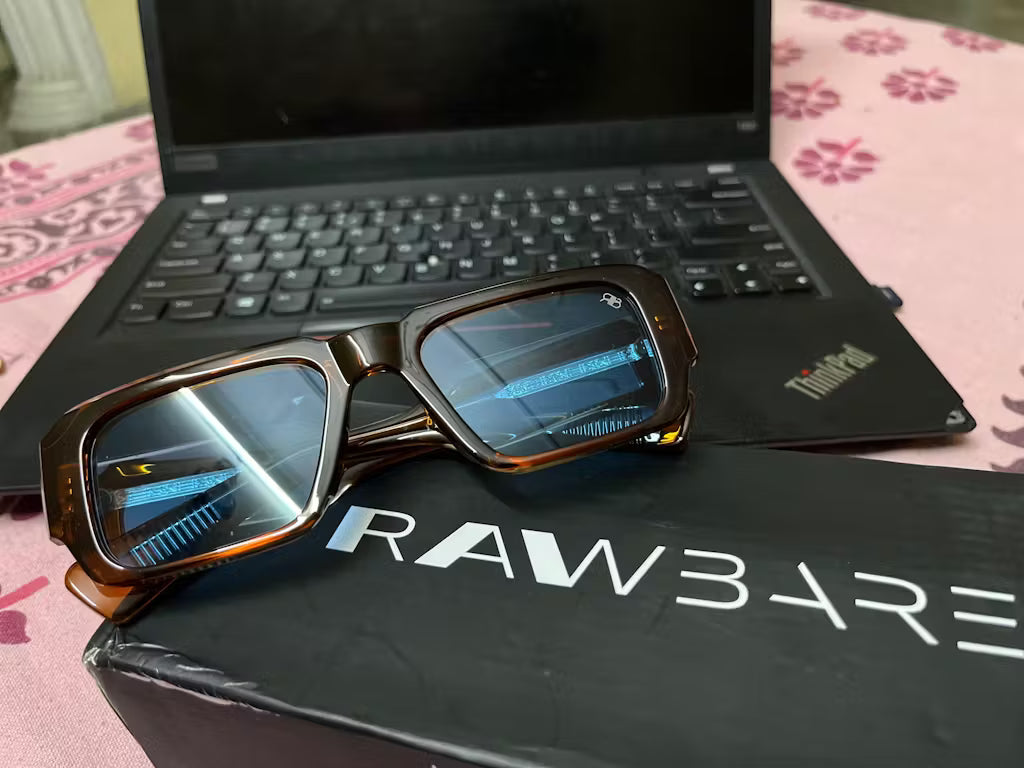
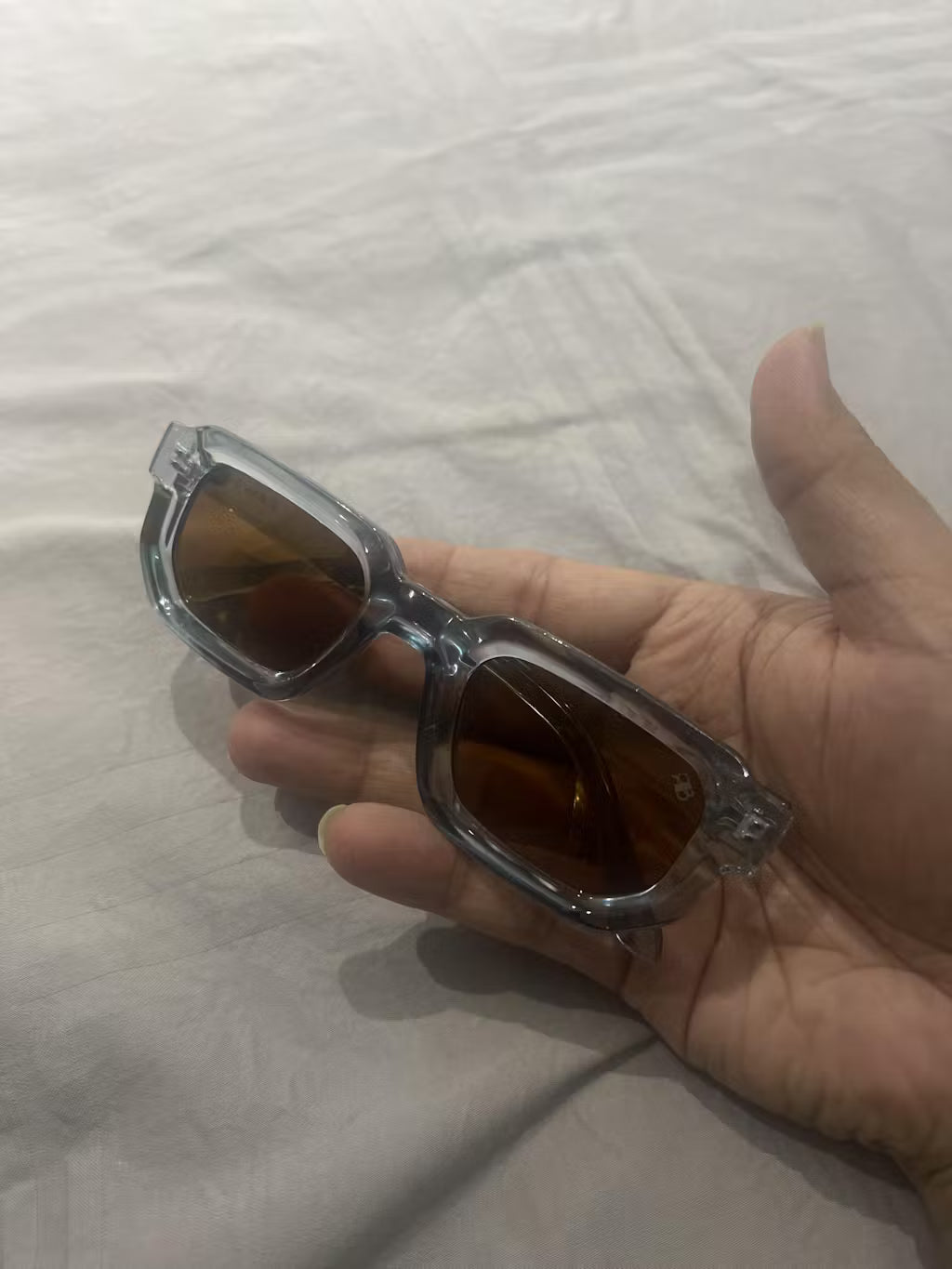
Each frame below is polarized with UV400 protection in a lightweight, secure-fit build, in stock in the cricket sunglasses collection.


Polarized versus regular tint
A plain tinted lens only dims the scene. It does not remove the reflected glare that washes out contrast, so the ball can still get lost against a bright background.
Key takeaways
Frequently asked questions