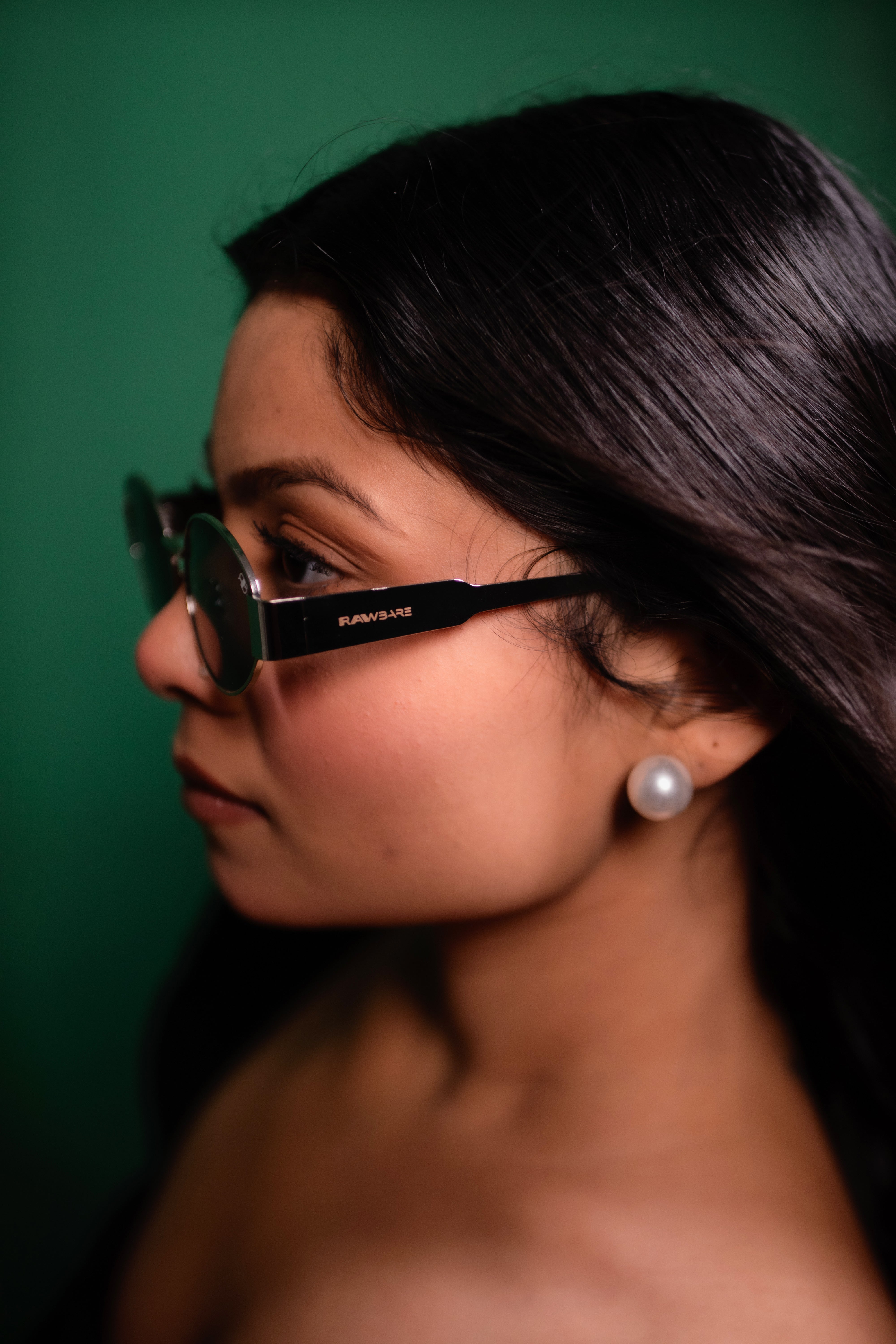
Best Sunglasses for Running: Lightweight, Glare-Free and Secure
Sport & Running · Buying Guide
Best Sunglasses for Running: Lightweight, Glare-Free and Secure
Running sunglasses have one job above all others: disappear. The right pair stays put, stays light, and cuts glare so you can focus on the run, not your face.
In this article
- Why runners should wear sunglasses
- The three things that matter most
- Polarized or not for running
- Road running versus trail running
- Best Rawbare sunglasses for running
- Fit tips so they never bounce
Why runners should wear sunglasses

Runners are out in the open for long stretches, often at the brightest hours. Sun glare off roads and pavements makes you squint, which tightens your face and tires your eyes over the kilometres. Sunglasses keep your vision relaxed and your form easier to hold.
There is a health reason too. UV exposure adds up over years of outdoor training, so the eye protection is not just about comfort on the day. It is about looking after your eyes for the long run.
The three things that matter most
For running specifically, three features matter more than anything else.
| Feature | What to look for | Why it matters |
|---|---|---|
| Weight | Lightweight frame | You forget you are wearing them, even on long runs |
| Grip | Secure temples and fit | No bounce or slide when your stride gets going |
| Lens | Polarized with UV400 | Cuts glare and blocks 100% of UVA and UVB rays |
Polarized or not for running
Polarized lenses cut the reflected glare that rises off tarmac, pavement and bright surfaces. For most road and daytime trail running, that means clearer vision and far less squinting.
A small note for trail runners on highly technical ground: some prefer a non-polarized lens because polarization can mask wet patches or icy glare that you actually want to see. For road running and most trails, polarized is the better default.
Road running versus trail running

Road runners benefit most from glare control and a snug fit, since the surface is predictable and the light is harsh and open. Trail runners want the same secure fit plus solid coverage against branches, dust and changing light under tree cover. In both cases a lightweight, grippy frame is the priority.
Best Rawbare sunglasses for running
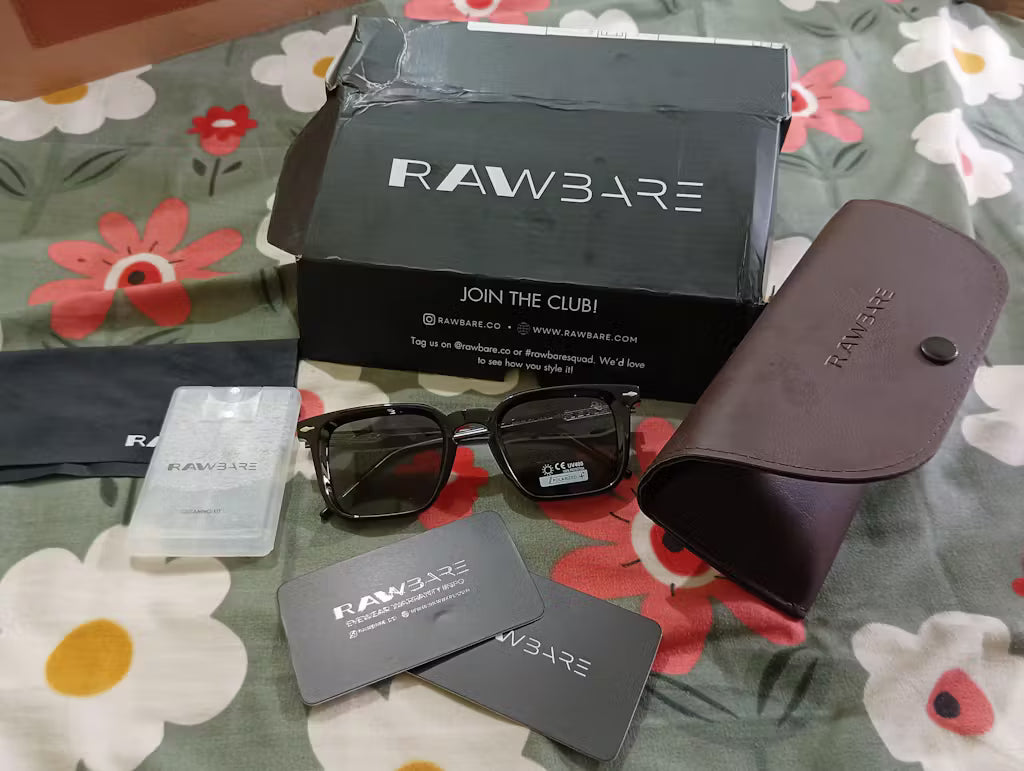
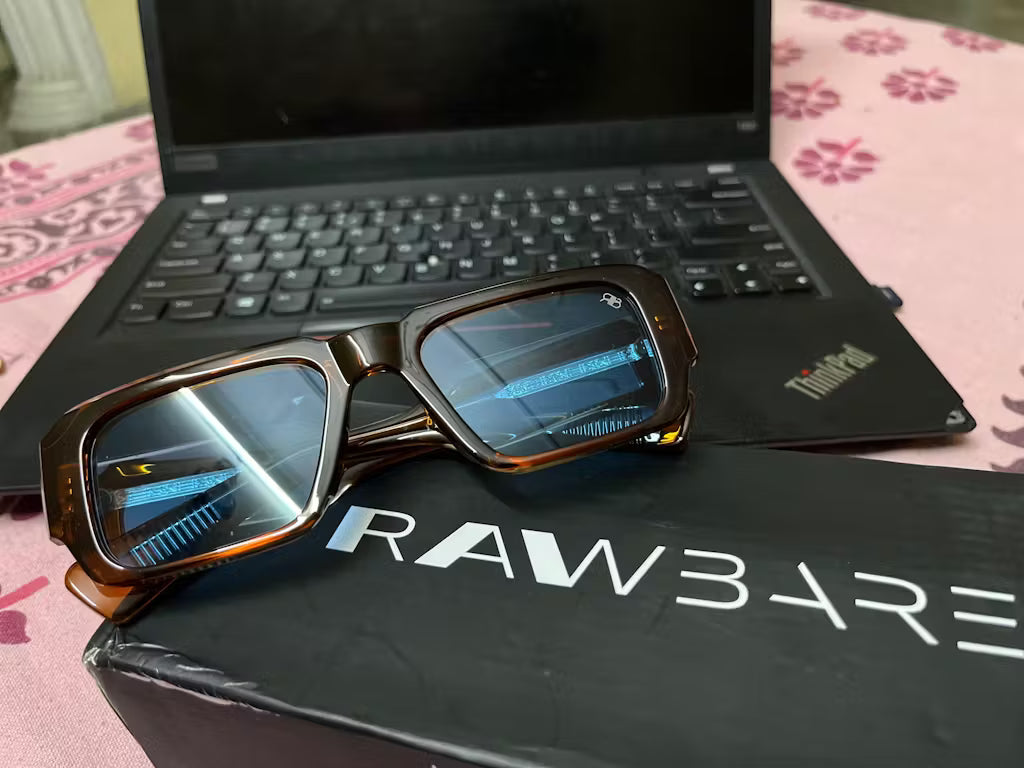
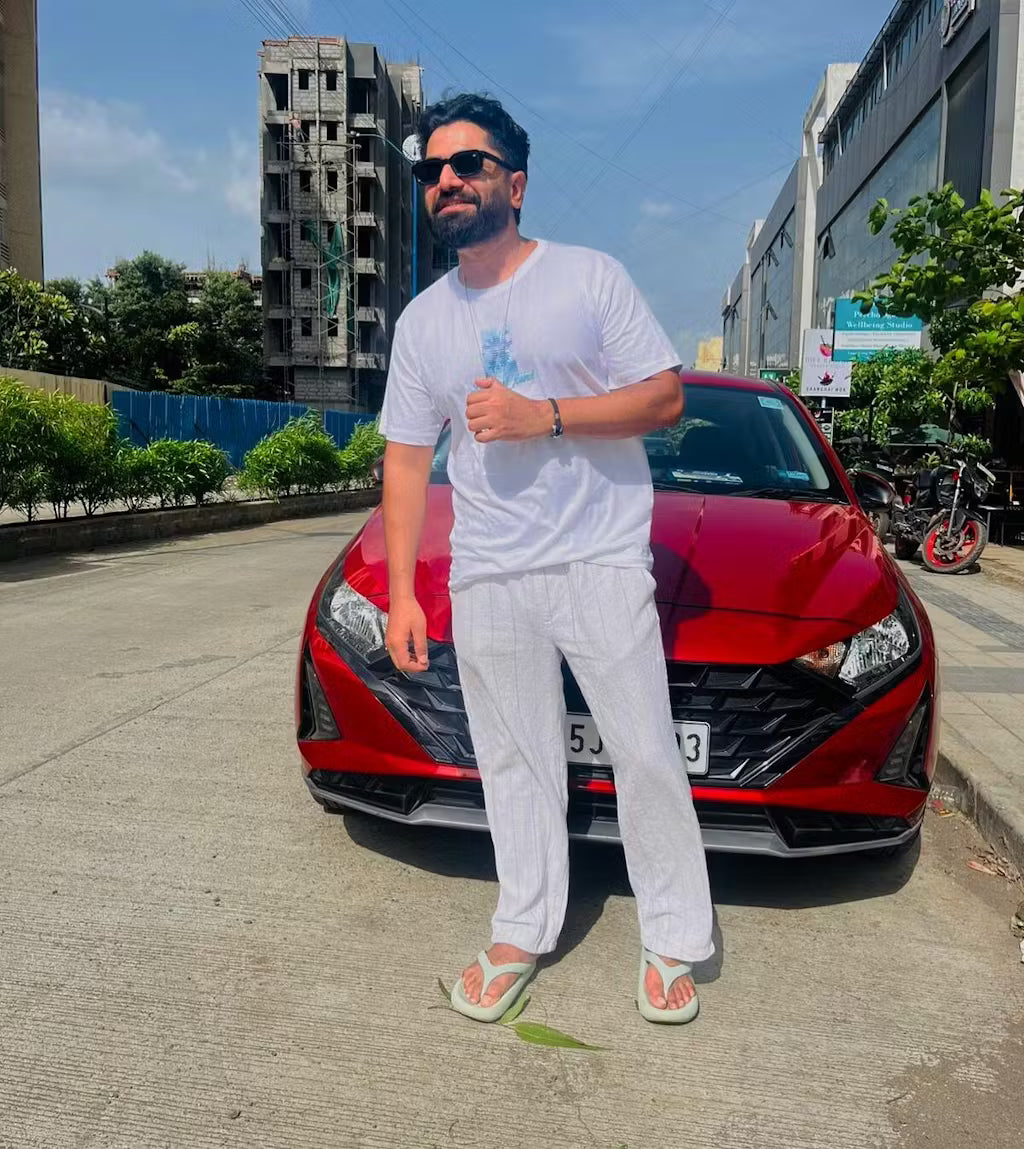
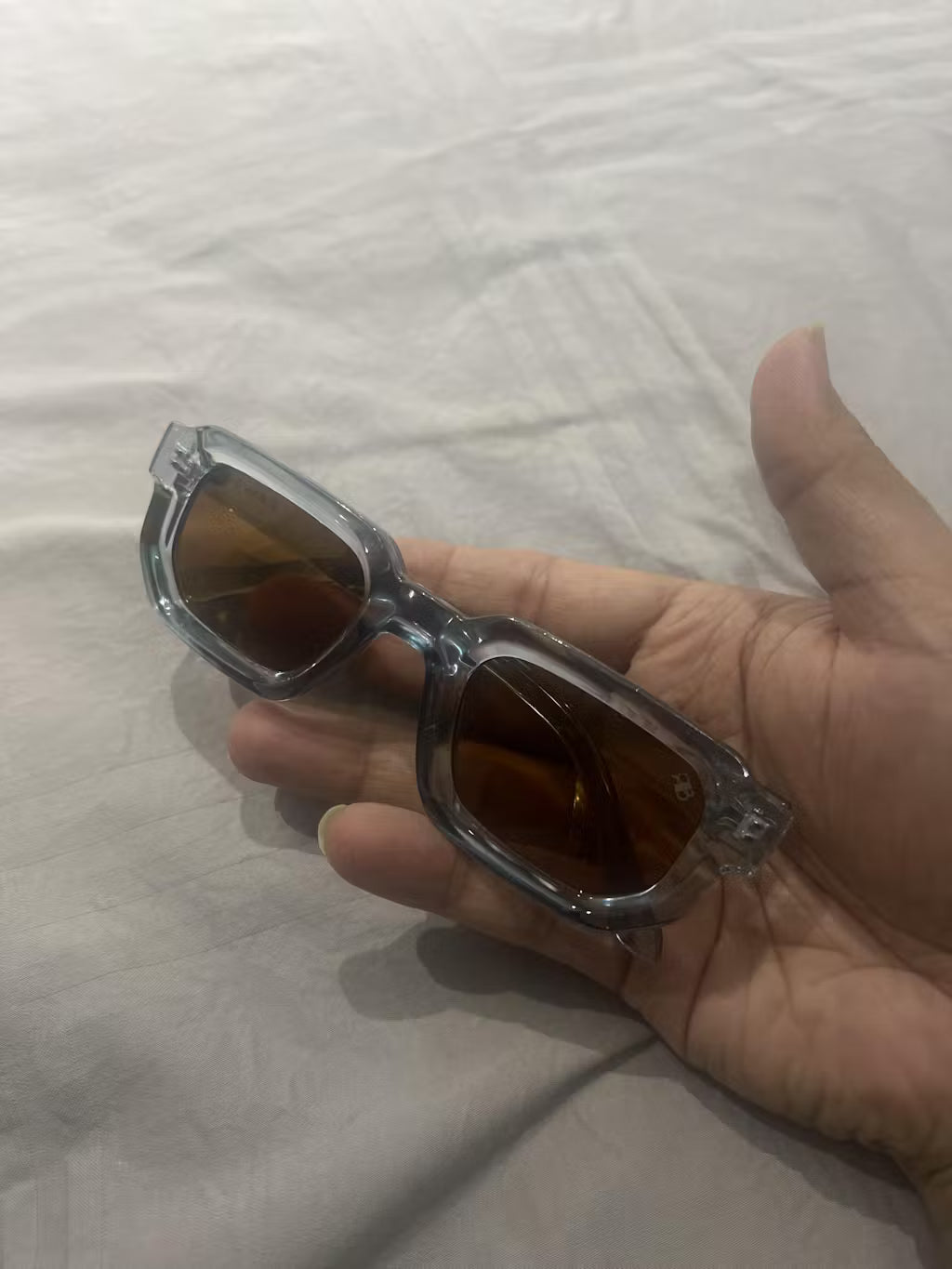
Each frame below is lightweight, polarized with UV400 protection, and built with a secure grip that holds through your stride. All are in stock in the sunglasses for running collection.


Fit tips so they never bounce

Bounce comes from frames that are too loose or too heavy. Choose a pair that sits snug on the bridge without pinching, with temples that hold gently behind the ears. A wrap-friendly shape sits closer to the face and moves less. If a frame slides when you nod your head quickly, it will slide when you run.
Key takeaways
Frequently asked questions