Do You Need Sunglasses on Cloudy Days and in Winter?

Do You Need Sunglasses on Cloudy Days and in Winter?

UV & Eye Health

Do You Need Sunglasses on Cloudy Days and in Winter?

Yes. Cloud and cold do not switch off ultraviolet light. The large majority of UV passes straight through cloud cover, and low winter sun sits directly in your eyeline. Here is why overcast and cold days still call for eye protection.

🕐 6 min read☀️ UV Protection🌧️ Seasonal

In this article

  1. Do I need sunglasses when it is cloudy?
  2. How much UV actually passes through cloud?
  3. Why winter sun can be harder on your eyes
  4. Snow, water and the reflection problem
  5. When you can leave sunglasses off
  6. Everyday frames for year-round wear
  7. Frequently asked questions

Do I need sunglasses when it is cloudy?

Yes. Ultraviolet radiation is invisible and largely independent of how bright or warm the day feels. A grey, overcast sky blocks a lot of visible light, which is why it looks dull, but it blocks far less UV. Your eyes can be receiving a meaningful UV dose on a day that never feels sunny at all. This is exactly why cloudy days catch people out.

The science
Cloud dims visible light far more than it dims UV
Up to around 80% of UV rays can pass through light cloud cover. Because clouds cut visible brightness more than they cut UV, an overcast day can feel safe while still delivering significant ultraviolet exposure to your eyes and skin. Brightness is not a reliable guide to UV risk.

How much UV actually passes through cloud?

On a lightly overcast day, a large share of UV still reaches ground level. Thin or broken cloud can even scatter and briefly intensify UV in a phenomenon sometimes called the broken-cloud effect. The practical takeaway is simple: judging UV risk by how bright the sky looks is unreliable. UV400 protection matters whenever you are outdoors in daylight, cloud or no cloud.

Why winter sun can be harder on your eyes

In winter the sun sits lower in the sky for more of the day. Instead of shining down from overhead, it comes in at a shallow angle, which puts it directly in your line of sight while driving, walking, or commuting. Low-angle glare is uncomfortable and can be momentarily blinding, which is a safety issue as much as a comfort one. Cold weather does nothing to reduce this.

Winter driving
Low winter sun in your eyeline is one of the most common causes of glare-related discomfort on the road. Sunglasses with UV400 protection cut that glare and keep your view clear when the sun is sitting just above the horizon.

Snow, water and the reflection problem

Reflective surfaces raise your eyes' UV exposure well beyond what comes from the sky alone. Fresh snow can reflect a very high proportion of UV back upward into your eyes, which is why snow glare at altitude is so intense. Water, wet roads, and light-coloured surfaces reflect UV too. If you are trekking at altitude or spending time near snow or water in the cooler months, eye protection is not optional.

Altitude adds up
UV intensity rises with altitude, so a cold, high-altitude trek can expose your eyes to more UV than a warm day at sea level. Cold does not mean low risk. Height and reflection can push exposure higher.

When you can leave sunglasses off

There is no need to wear sunglasses indoors, after dark, or in genuinely low-light conditions. UV exposure is a daytime, outdoor concern. The point is not to wear them constantly, but to stop treating cloud and cold as an automatic all-clear. If you are outside in daylight, your eyes benefit from protection regardless of the temperature.

1
Judge by daylight, not brightness
If you are outdoors during daytime hours, assume UV is present. Do not wait for obvious sunshine to reach for your sunglasses.
2
Prioritise protection near snow, water and altitude
Reflective and high surfaces multiply exposure. These are the settings where year-round eye protection matters most.
3
Keep one UV400 pair with you
A single reliable UV400 frame handles cloudy commutes, winter glare and bright days alike. You do not need a different pair for every season.

Everyday frames for year-round wear

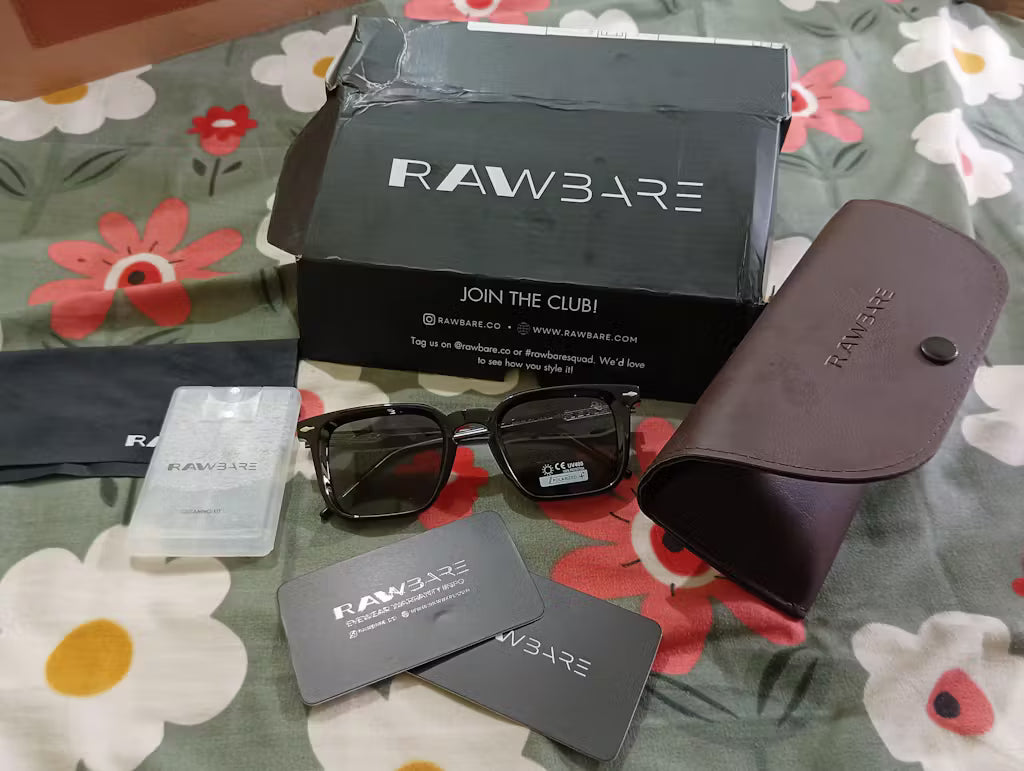
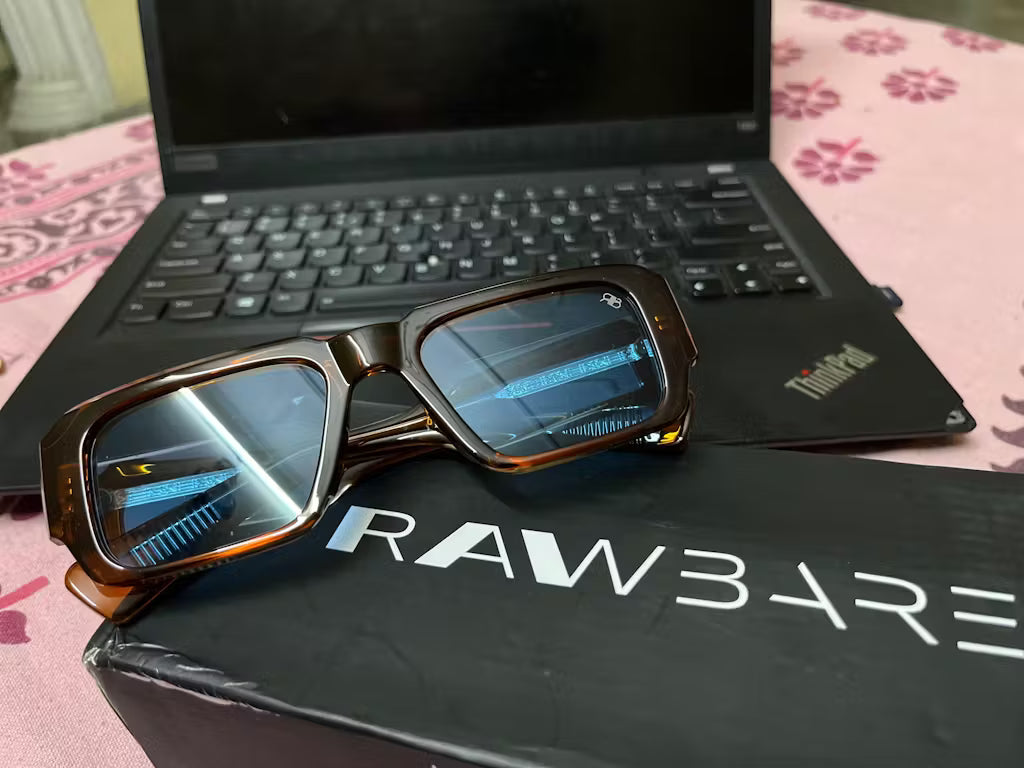
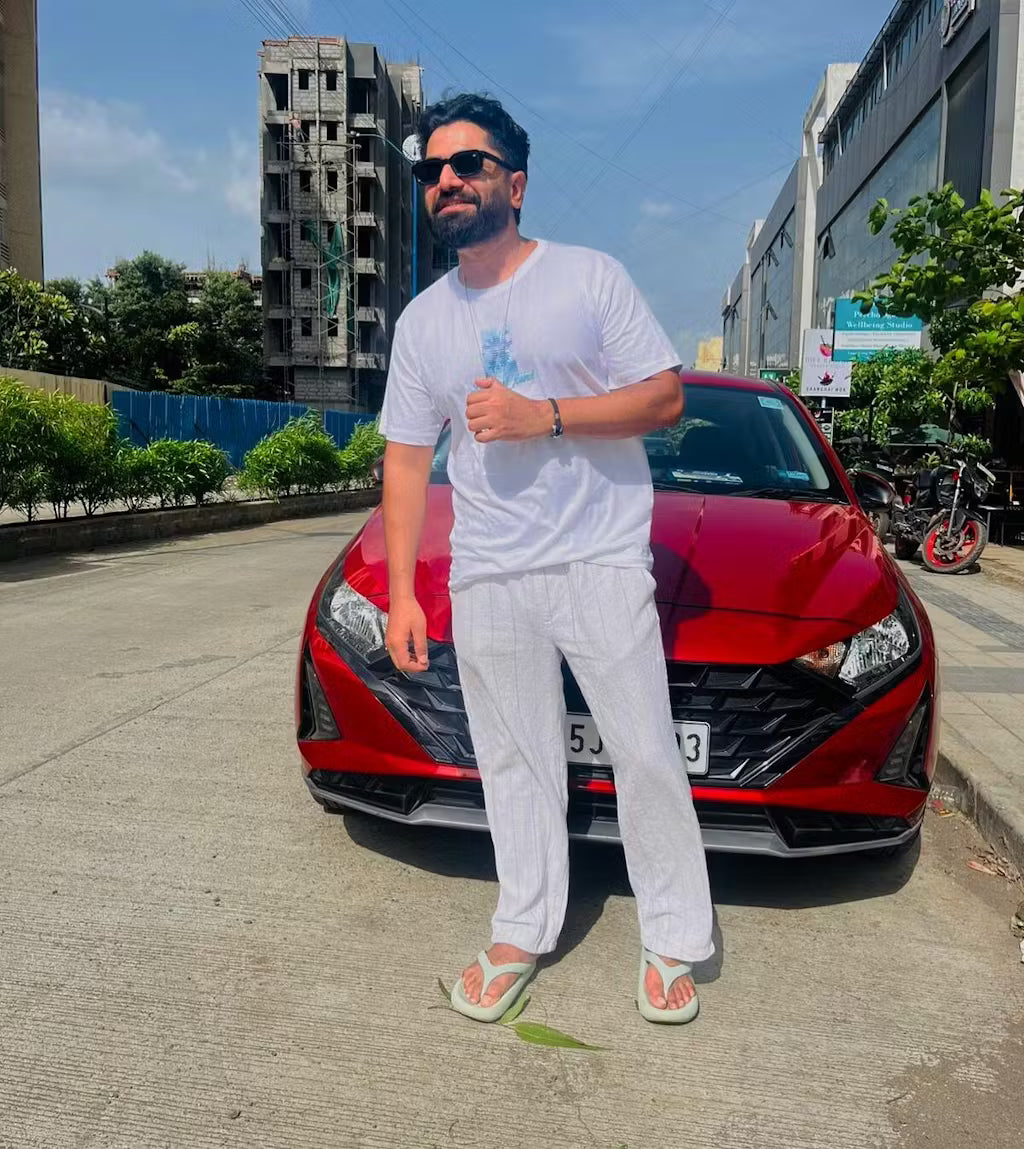
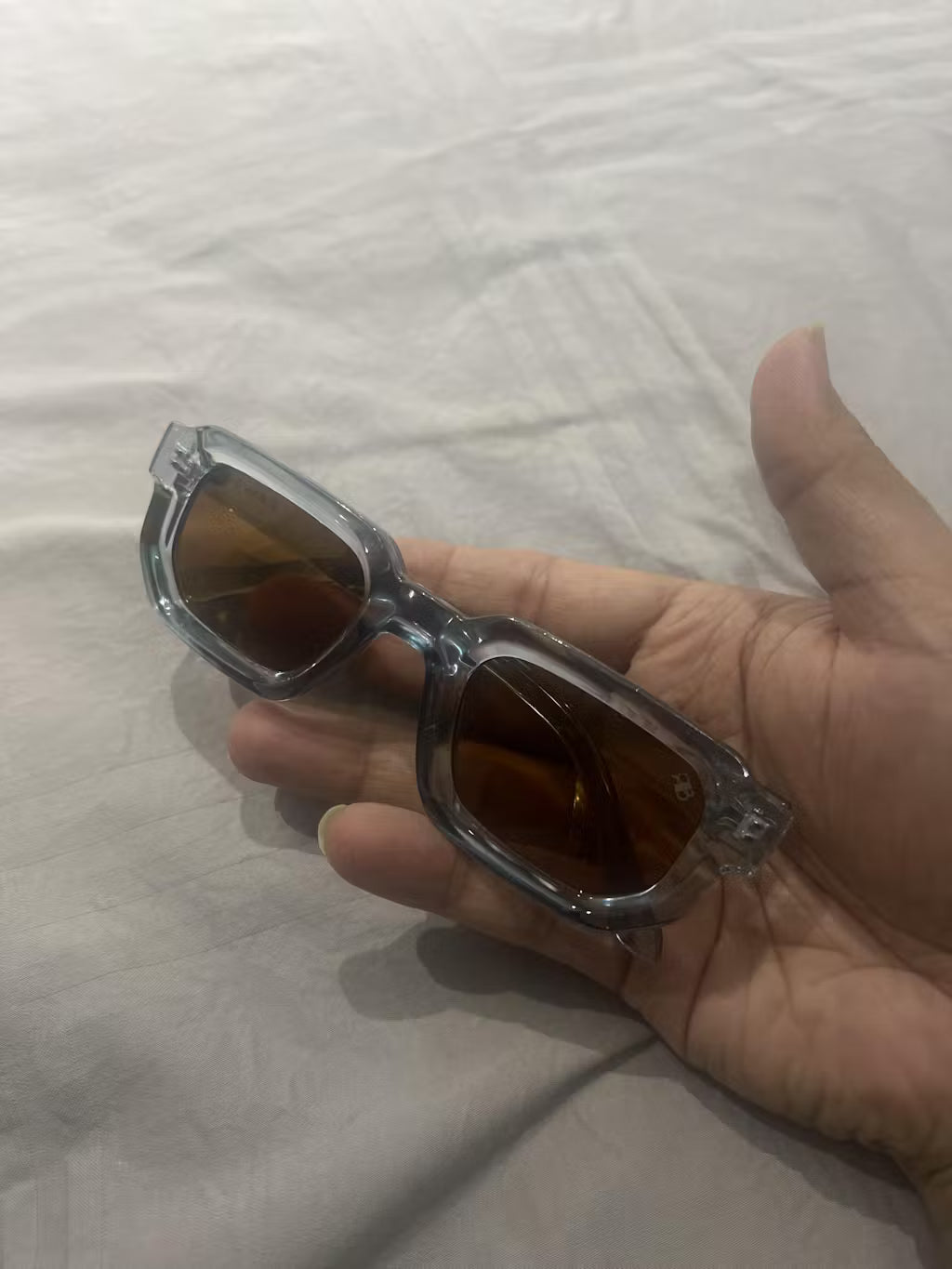
A dependable everyday pair with 100% UV400 protection covers you across seasons. These in-stock polarized frames handle winter glare and overcast commutes as easily as bright afternoons.

Rawbare Rajkot Rift Frost Pulse polarized square sunglasses
Rajkot Rift — Frost Pulse
Polarized • Square • UV400
View Frame
Rawbare Trivandrum Tint Sand Drift polarized square sunglasses
Trivandrum Tint — Sand Drift
Polarized • Square • UV400
View Frame
Rawbare Pangong Peak Cobalt Peak polarized square sunglasses
Pangong Peak — Cobalt Peak
Polarized • Square • UV400
View Frame

Frequently asked questions

Q1 Do I need sunglasses when it is cloudy?
Yes. Up to around 80% of UV can pass through light cloud. Clouds dim visible brightness far more than they dim UV, so an overcast day can still deliver meaningful UV exposure to your eyes.
Q2 Is UV lower in winter?
UV is generally lower in winter than peak summer, but it does not disappear, and it rises sharply near snow and at altitude. Low winter sun also sits in your eyeline, adding glare that sunglasses help control.
Q3 Does snow increase UV exposure to my eyes?
Yes, significantly. Fresh snow reflects a high proportion of UV back upward into your eyes, which is why snow glare at altitude is so intense and why eye protection matters in cold, high settings.
Q4 Can I judge UV risk by how bright it looks?
No. Brightness reflects visible light, not UV. A dull, grey sky can still carry high UV. If you are outdoors in daylight, assume UV is present regardless of how bright it seems.
Q5 Do I need different sunglasses for winter?
No. One reliable UV400 pair handles cloudy, cold and bright conditions alike. What matters is consistent UV400 protection, not a seasonal wardrobe of frames.

Key takeaways

Up to around 80% of UV passes through light cloud cover
Cloud dims visible brightness far more than it dims UV
Low winter sun sits in your eyeline and adds glare while driving and walking
Snow and altitude reflect and intensify UV, raising exposure in cold settings
Brightness is not a reliable guide to UV risk
One UV400 pair covers cloudy, cold and bright days alike


Tags:
Is Polarized the Same as UV Protection?

Clip-On and Fit-Over Sunglasses: The Option for Glasses Wearers