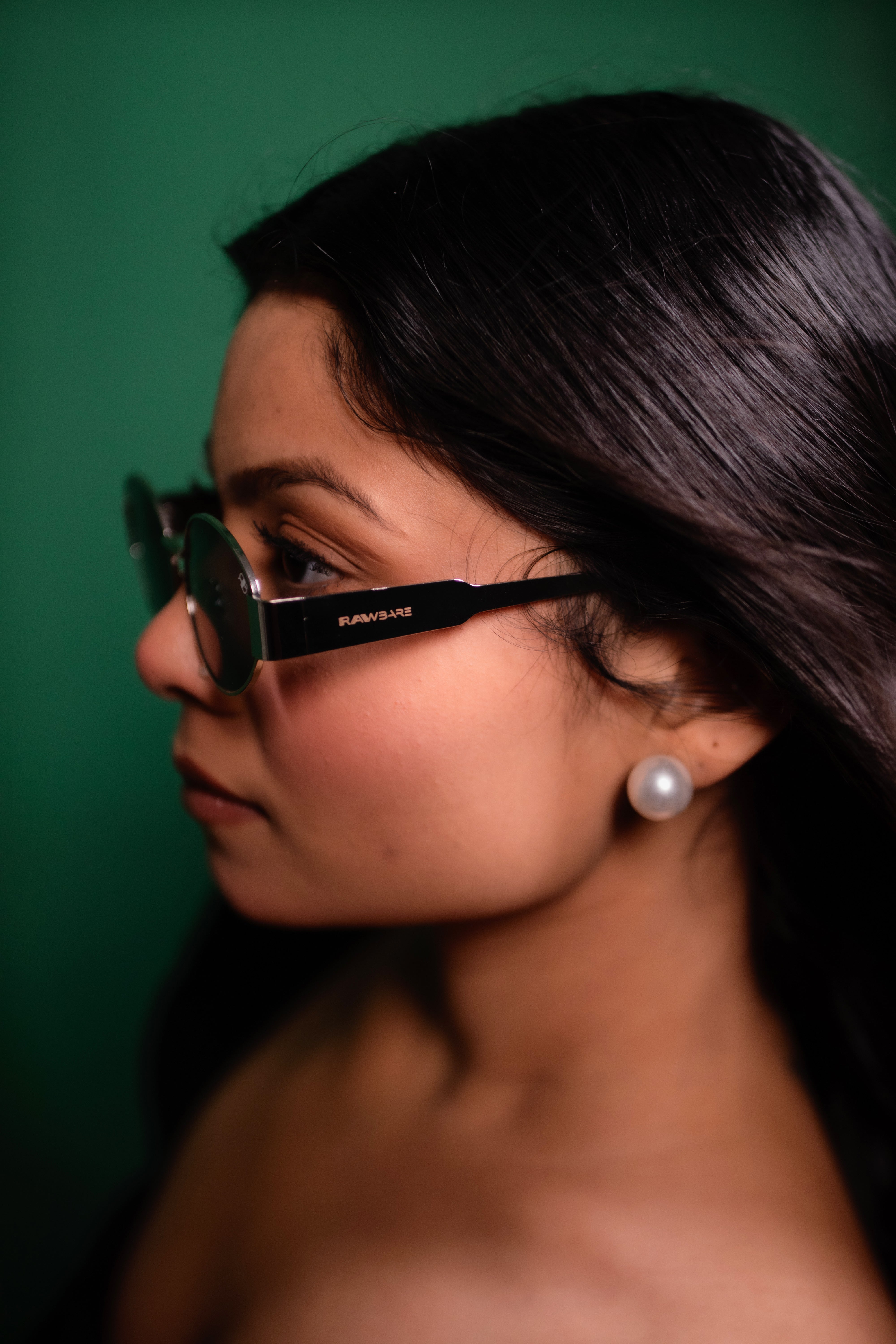

Is Polarized the Same as UV Protection?
Lens Technology
Is Polarized the Same as UV Protection?
No. Polarization and UV protection are two separate things. Polarized lenses cut glare from reflective surfaces, while UV protection blocks the invisible rays that damage your eyes. A lens can be one, both, or neither, so it is worth knowing exactly what your sunglasses offer.
In this article
- Is polarized the same as UV protection?
- What polarization actually does
- What UV protection actually does
- Why people confuse the two
- How to check what your lenses offer
- Where Rawbare stands
- Frequently asked questions
Is polarized the same as UV protection?

No. They are two completely different lens properties that people often assume are the same. Polarization is about comfort: it removes the harsh glare that bounces off water, glass, roads, and car bonnets. UV protection is about safety: it blocks the ultraviolet rays that can harm your eyes over time. One improves how well you see in bright light. The other protects the health of your eyes. A lens can be polarized without full UV protection, and fully UV-protected without being polarized.
What polarization actually does

Sunlight scatters in all directions, but when it reflects off a flat surface like water or a windscreen it becomes concentrated horizontal glare. A polarized lens has a built-in filter that blocks that horizontal light, which is why polarized sunglasses make water, roads, and shiny surfaces look calmer and clearer. It is a visual comfort feature. Polarization does nothing to block ultraviolet rays on its own.
What UV protection actually does

Ultraviolet rays are invisible, so a lens does not need to look dark to block them, and a very dark lens is not automatically protective. UV protection comes from the lens material or a coating that absorbs UVA and UVB rays. The standard to look for is UV400, which blocks all light up to 400 nanometres and covers the full UVA and UVB range. This is the property that actually protects your eyes.
Why people confuse the two

The confusion is understandable. Both features live in the same lens, both are sold as benefits of good sunglasses, and premium frames usually include both. But that overlap in marketing hides an important gap: some cheap polarized lenses cut glare while offering little real UV protection, and some UV-protected lenses are not polarized at all. Assuming polarized means protected is exactly the assumption that leaves eyes exposed.
How to check what your lenses offer

| Property | What it does | How to confirm it |
|---|---|---|
| Polarization | Cuts horizontal glare from water, roads and glass | Tilt the lens against a bright screen or reflective surface; polarized lenses darken as you rotate them |
| UV protection | Blocks invisible UVA and UVB rays that harm the eye | Look for a UV400 or 100% UV protection label from the maker; darkness alone is not proof |
If you want to understand the UV400 label in plain English, our guide on what UV400 actually means explains the number and why it matters.
Where Rawbare stands

Every Rawbare lens carries 100% UV400 protection as standard, whether or not the frame is polarized. That means UV safety is never the variable you have to check for. Polarization is offered on the frames where it genuinely helps, such as driving, water, and outdoor sport, so you choose it for comfort while protection stays constant across the range.
Frequently asked questions
Key takeaways