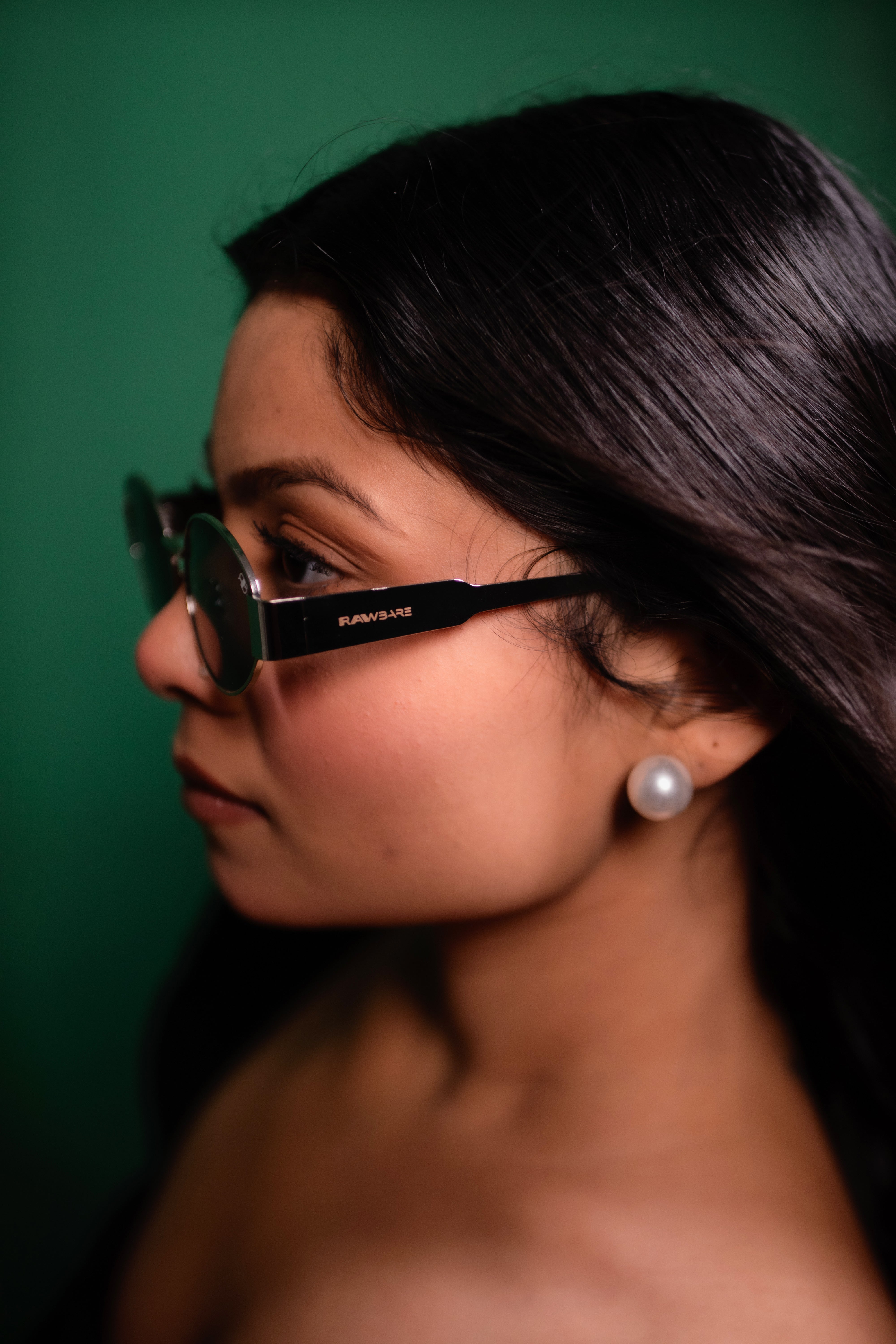

8 sunglasses myths most people still believe — and the truth behind each one
Eye Health · Myths
8 sunglasses myths most people still believe — and the truth behind each one
Some of these misconceptions are harmless. Several cause real eye damage. Here are the eight most persistent myths about sunglasses — and what is actually true.
In this article
- Dark lenses = better UV protection
- You only need sunglasses in summer
- Cloudy days are safe
- Cheap sunglasses can’t have UV400
- Children’s eyes handle UV better
- Polarized = UV protected
- Expensive always means better
- You only need sunglasses outdoors
MythDark lenses mean better UV protection
The truth:
Lens darkness and UV protection are completely unrelated. UV blocking is a chemical property of the lens coating — not the tint. A dark lens without UV400 certification provides zero UV protection. Worse: your pupil dilates in the shade of dark lenses, allowing more UV to enter than if you wore nothing at all. The only protection that matters is the UV400 label.
MythYou only need sunglasses in summer
The truth:
UV radiation reaches your eyes year-round. In India specifically, UV index values above 6 are recorded in most cities for 10 or more months of the year. Winter sun at low angles can produce intense glare. UV accumulates as damage throughout your lifetime — it does not reset seasonally.
MythCloudy days are safe — no need for sunglasses
The truth:
Up to 80% of UV rays penetrate cloud cover, according to the WHO. Overcast conditions reduce visible light — which is why cloudy days feel less bright — but they do not block UV radiation. Indian monsoon days in particular can carry significant UV load despite overcast skies.
MythAffordable sunglasses can’t have real UV400
The truth:
UV400 is a lens coating — not an expensive material. It can be applied to any lens at low cost at scale. A pair of sunglasses at Rs.799 can offer identical UV protection to a pair at Rs.15,000. What you pay for at the higher end is frame materials, design, and brand positioning — not UV protection. Always verify the UV400 label explicitly.
MythChildren’s eyes handle UV better than adults
The truth:
The opposite is true. A child’s lens transmits significantly more UV to the retina than an adult’s because the young lens is more transparent. Research from the WHO indicates that children absorb a disproportionate amount of lifetime UV exposure during outdoor activity. UV protection for children is more important than for adults, not less.
MythPolarized lenses are the same as UV protection
The truth:
Polarization and UV400 are entirely separate features. Polarized lenses block horizontal glare from reflective surfaces — a visible light phenomenon. UV400 blocks invisible ultraviolet radiation. You can have one without the other. Premium sunglasses typically include both, but neither is a substitute for the other. Always verify both separately.
MythExpensive sunglasses are always better
The truth:
Not for eye protection. A lens with UV400 blocking and genuine polarization at Rs.1,299 protects your eyes identically to the same specification at Rs.12,000. Premium pricing reflects frame materials (acetate vs TR90), manufacturing precision, and brand equity — not a different level of UV blocking or polarization performance. The protection is the standard, not the price.
MythYou only need sunglasses outdoors
The truth:
UVA radiation — the longer-wavelength, more penetrating type — passes through standard window glass. If you spend significant time near windows in a car, office, or home, UVA exposure is ongoing. This is particularly relevant for long daily commutes in India, where car windows transmit UVA throughout the journey.The only myth-proof choice
Every Rawbare frame includes UV400 and genuine polarization as standard. No myths, no vague claims. Browse the collection.Key takeaways
Dark tint has zero connection to UV protection
UV radiation is present year-round and in cloudy conditions
Children need UV protection more than adults, not less
Polarized and UV400 are separate features — verify both
UV400 at any price point is identical protection
UVA passes through glass — relevant for Indian commuters
Frequently asked questions
Q1 Do darker sunglasses lenses mean better UV protection?
No — this is one of the most common sunglasses myths. Lens darkness has no connection to UV protection. A dark lens without UV400 certification is actually more dangerous than no sunglasses, because it causes your pupils to dilate while admitting full UV radiation.
Q2 Are expensive sunglasses always better than affordable ones?
Not for eye protection. UV400 coating and polarized filters are inexpensive to apply at scale. The price difference in premium sunglasses reflects frame materials, design precision, and brand positioning — not a superior level of lens protection.
Q3 Do you need sunglasses on cloudy days?
Yes. Up to 80 percent of UV rays penetrate cloud cover according to WHO data. Overcast conditions reduce visible light but do not block UV radiation. In Indian monsoon conditions, UV exposure remains significant despite heavy cloud cover.
Q4 Can children’s eyes handle more UV than adults?
The opposite is true. Children’s eyes are more vulnerable to UV damage because the young lens is more transparent and transmits more UV to the retina. UV protection is more critical for children, not less.
Q5 Are polarized sunglasses only for outdoor sports?
No. Polarized lenses benefit anyone who experiences glare — drivers, city commuters, beach visitors, and everyday wearers all benefit from reduced glare and improved visual clarity.