Frame Guide · Materials
Eyewear Frame Materials Explained: Acetate, CP, Metal, and TR90
The material a frame is made from determines how it feels, how long it lasts, how it fits, and how it ages. This is a complete guide to the four materials you will encounter when buying sunglasses in India.
🕑 7 min read👓 Frame guide🇨🇳 India
In this article
- Why frame material matters
- Acetate
- CP (cellulose propionate)
- Metal
- TR90
- Side-by-side comparison
- Which material is right for you
Why frame material matters
Every material behaves differently under heat, pressure, and long-term wear. A frame that performs well in an air-conditioned office may warp, loosen, or discolour when worn through a Mumbai summer or a long bike ride. Understanding what a frame is made from helps you choose based on your actual use, not just how it looks on a shelf.
India context
High heat, humidity, sweat, pollution, and UV exposure are all harder on frames than temperate climates. Material choice has a visible impact on how a frame ages over 12 to 24 months of regular Indian outdoor use.
Acetate
Price range
Mid to premium
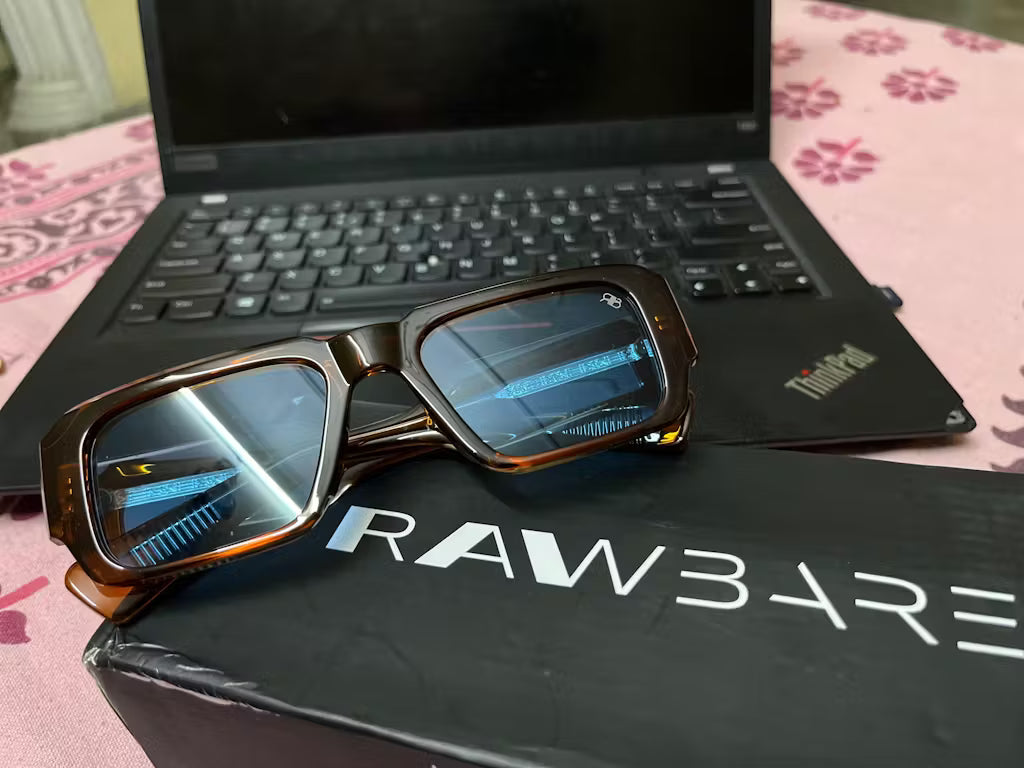
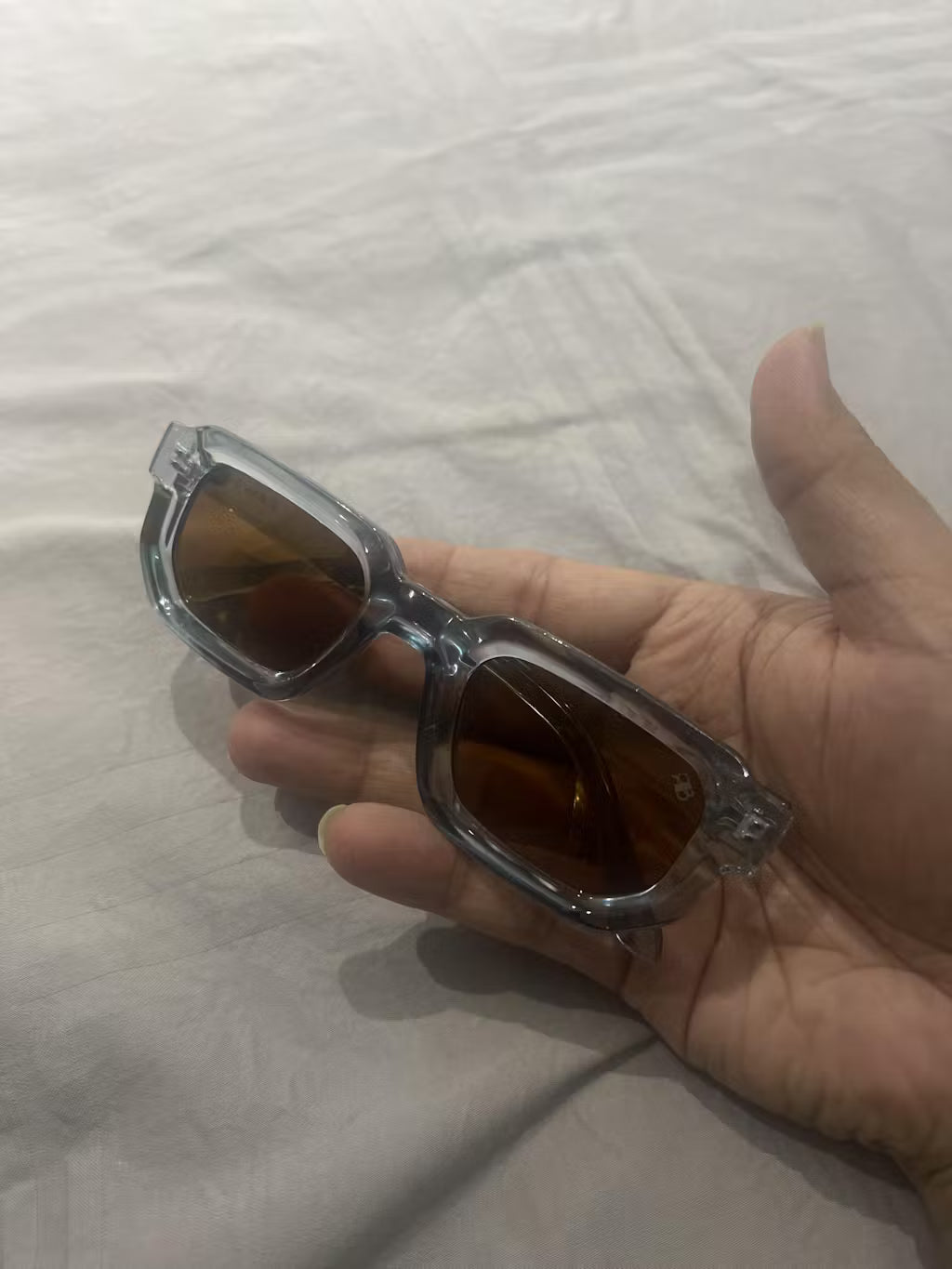
Acetate is a plant-derived plastic made from cotton fibres and wood pulp, processed into sheets that are cut and shaped into frame fronts and temples. It is the premium end of the plastic frame category and the material of choice for most high-end fashion eyewear globally.
The main advantage of acetate is its visual richness. Because the colour runs through the entire thickness of the material, acetate frames hold a depth and translucency that other plastics cannot replicate. Tortoiseshell, marbled, and two-tone patterns are predominantly an acetate characteristic.
Best for
Style-led frames where visual depth and a premium feel matter. Statement pieces, fashion-forward designs, and frames you intend to wear as an accessory rather than purely for function.
The trade-off is heat sensitivity. Acetate softens at relatively low temperatures — above approximately 60°C. Leaving acetate frames in a car in Indian summer heat, or wearing them on a motorbike in peak afternoon conditions, can cause warping over time. Proper storage in a case matters more with acetate than with other materials.
CP — Cellulose Propionate
Heat resistance
Medium-high
CP is a hypoallergenic bio-plastic that sits between acetate and TR90 in the material hierarchy. It is lighter than acetate, more heat-resistant, and retains a reasonable level of colour depth and visual quality. Many Rawbare frames in the premium lifestyle category use CP.
CP is particularly relevant for users with skin sensitivities. It is one of the few frame plastics certified as hypoallergenic, making it a strong choice for wearers who have experienced irritation from standard acetate or injection-moulded plastic frames.
Hypoallergenic advantage
CP does not contain the chemical plasticisers present in standard acetate that occasionally cause contact dermatitis. For users with sensitive skin around the nose and temples, CP is typically the recommended alternative.
Metal
Weight
Light to medium (15–25g)
Heat resistance
Very high
Price range
Mid to premium
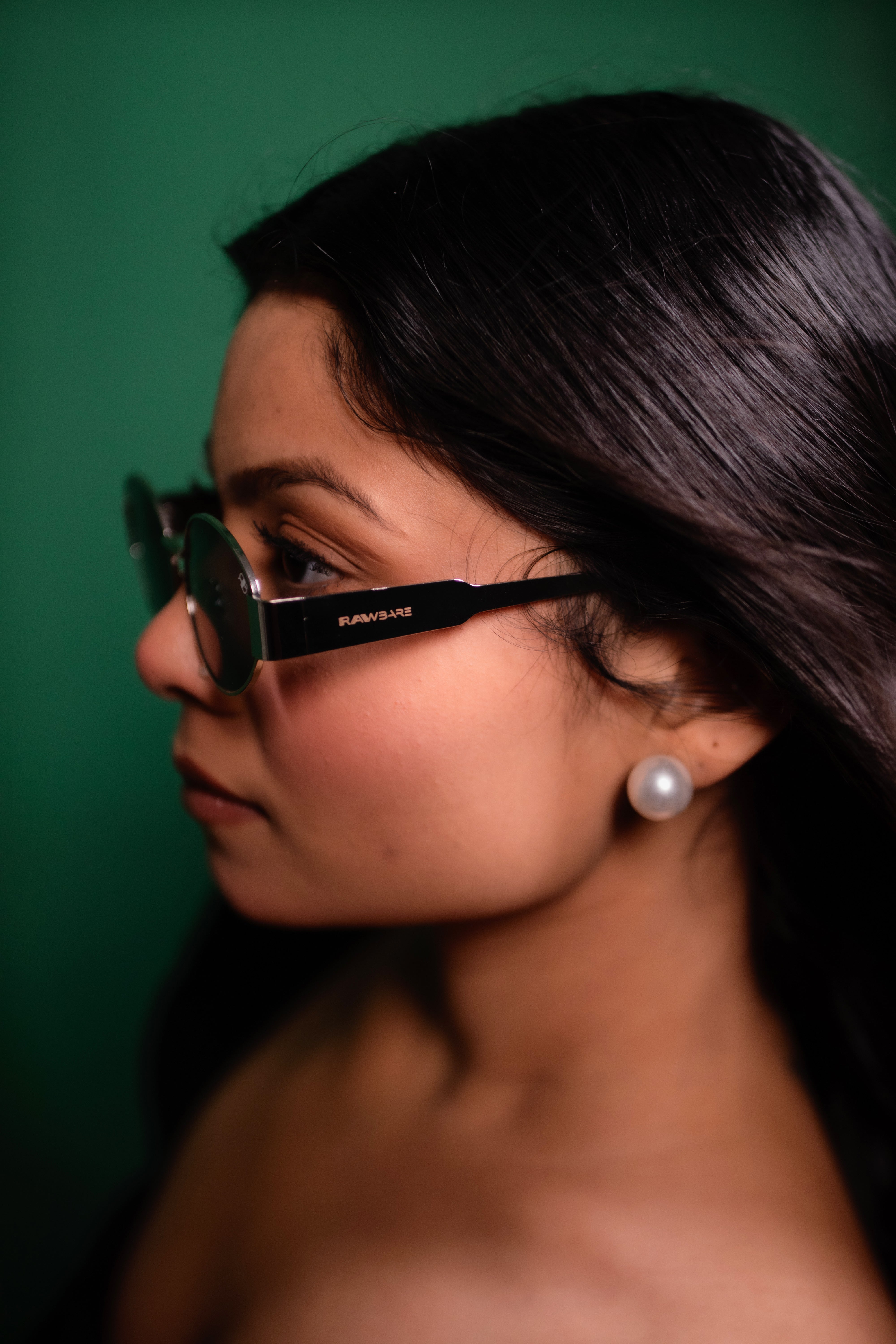
Metal frames are constructed from stainless steel, aluminium alloys, titanium, or monel (a nickel-copper alloy). The material is formed into thin wire-like structures for the front and temples, producing frames with a minimal profile and sleek visual aesthetic.
Metal frames are highly durable and virtually unaffected by heat. They hold their shape well over years of daily use. The hinge hardware on metal frames, when well-made, outlasts the equivalent in plastic frames by a significant margin.
Humidity consideration
In high-humidity Indian environments, the screws and hinge joints in metal frames can corrode over time if the frame is regularly exposed to sweat or rain and not dried properly. Periodic tightening and drying after heavy outdoor use extends the frame life significantly.
TR90
Weight
Very light (12–22g)
TR90 is a Swiss-developed thermoplastic polyamide — a nylon-based polymer engineered specifically for high-performance eyewear applications. It is the frame material of choice for sports, outdoor, and active-use sunglasses globally.
The defining characteristic of TR90 is its memory — it can be significantly bent or flexed and returns to its original shape without cracking or deforming. This makes it exceptionally resistant to the stresses of physical activity: drops, impacts, sweat, heat, and pressure from helmet or cap use.
Best for
Sports, driving, outdoor activity, and everyday wear where durability and comfort over long wear periods are priorities. TR90 is also the most comfortable material for extended wear due to its extremely low weight.
TR90 does not offer the visual richness of acetate. Colours are surface-applied rather than running through the material depth, which limits the complexity of patterns and finishes possible. For design-led lifestyle frames, acetate remains the stronger visual choice. For performance, TR90 is unmatched at its price point.
Side-by-side comparison
| Material |
Weight |
Flexibility |
Heat resistance |
Best use |
| Acetate |
Medium |
Low |
Medium |
Fashion, lifestyle, statement frames |
| CP |
Light |
Medium |
Medium-high |
Sensitive skin, premium everyday wear |
| Metal |
Light–medium |
Low |
Very high |
Minimal aesthetic, long-term daily wear |
| TR90 |
Very light |
Very high |
High |
Sports, outdoor, active use |
Which material is right for you
Acetate. The depth of colour, translucency, and visual richness of acetate is unmatched. Just keep them in a case and out of parked cars in summer.
CP. Hypoallergenic, lighter than acetate, and still has a quality visual finish. A strong all-rounder for Indian everyday conditions.
Metal. Wire-thin profiles, durable construction, highly heat-resistant. Maintain the hinges and they outlast most plastic alternatives.
TR90. Nothing else at this price point matches its combination of lightness, flexibility, and resilience to physical stress. The obvious choice for wrap-around and sports styles.
Key takeaways
✓ Acetate offers the deepest visual richness but needs careful heat management in India
✓ CP is lighter than acetate, hypoallergenic, and handles Indian heat better
✓ Metal is virtually unaffected by heat but needs joint maintenance in humid conditions
✓ TR90 is the lightest, most flexible, and most resilient — built for active and outdoor use
✓ For sport and driving, TR90 is the clear functional choice at any price point
✓ For fashion statements and lifestyle wear, acetate or CP deliver superior visual quality
Q1 What is the best frame material for sunglasses in India?
For everyday active use in Indian conditions, TR90 is the strongest practical choice — lightweight, flexible, heat-resistant, and durable under sweat and outdoor exposure. For lifestyle and fashion-led frames, CP offers a good balance of lightness and visual quality. Acetate is best for statement pieces where storage and care are practical.
Q2 Is TR90 better than acetate for sunglasses?
It depends on use. TR90 is significantly more durable, lighter, and better suited to physical activity and heat exposure. Acetate offers superior visual depth and a premium look. For sport and outdoor use, TR90 wins. For fashion-driven everyday wear, acetate has the aesthetic advantage.
Q3 Are metal frame sunglasses good for Indian summers?
Metal frames are highly heat-resistant and hold their shape well in summer conditions. The main consideration is hinge maintenance — sweat and humidity can cause screw corrosion over time if frames are not dried after heavy outdoor use. Otherwise metal is a very durable choice for Indian conditions.
Q4 What does CP mean in sunglasses?
CP stands for cellulose propionate, a bio-based hypoallergenic plastic used in premium eyewear. It is lighter than standard acetate, more heat-resistant, and certified hypoallergenic — making it particularly suitable for wearers with sensitive skin or contact reactions to standard frame plastics.
Q5 Why do expensive sunglasses use acetate?
Acetate is a plant-derived material whose colour runs through the full thickness of the sheet, creating depth, translucency, and visual richness that injection-moulded plastics cannot replicate. It is also workable by hand, allowing complex shapes and fine finishing. These properties make it the material of choice for premium fashion eyewear brands globally.