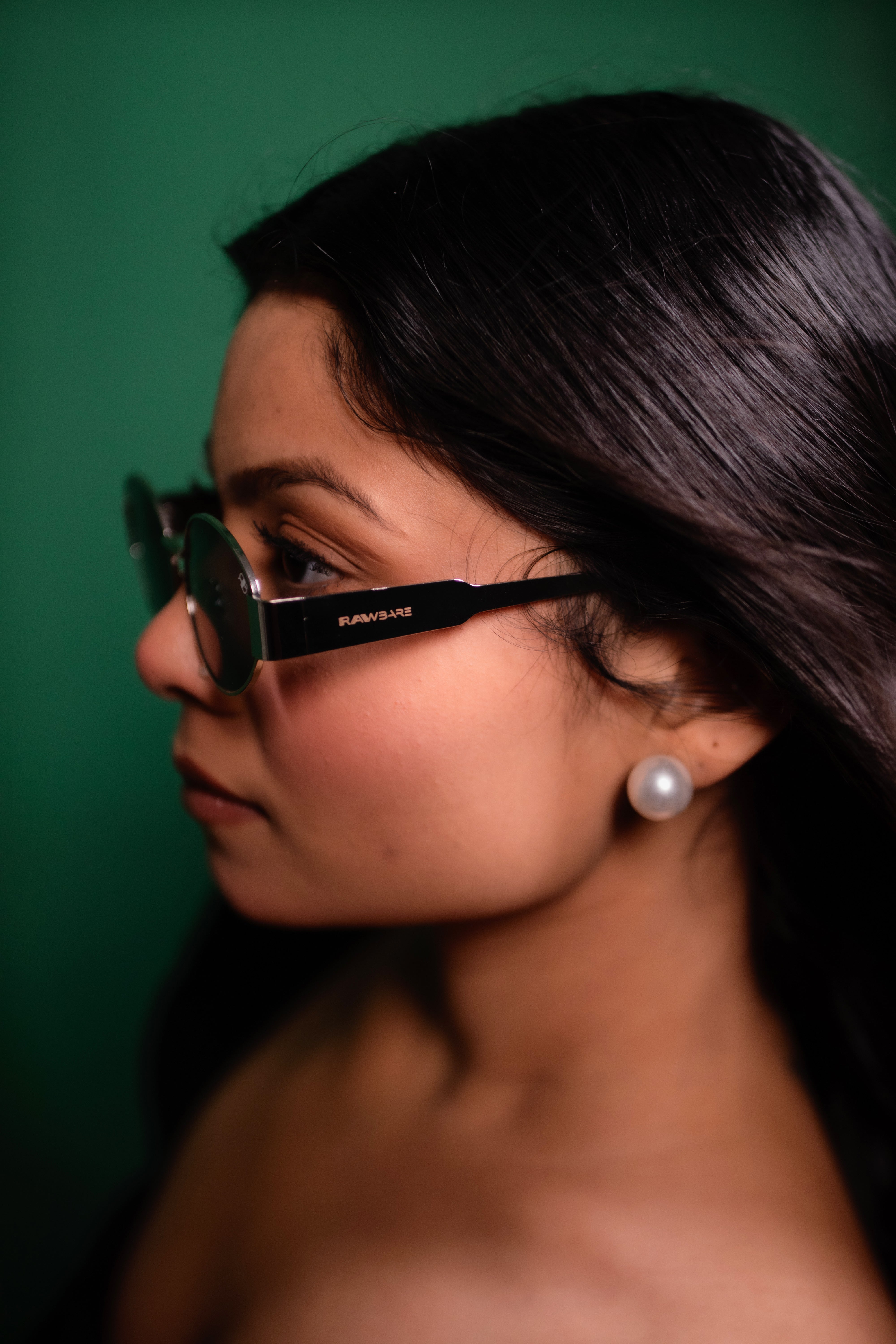
Best Sunglasses for Driving in India: Day Glare, Night Glare, and What Actually Works
Driving · Lens Guide
Best Sunglasses for Driving in India: Day Glare, Night Glare, and What Actually Works
Glare off a hot highway is not just uncomfortable — it slows your reaction time. The right lens fixes that in daylight. The wrong lens at night makes everything worse. Here is exactly what to wear, and when.
In this article
- Why driving glare is a safety issue, not a comfort one
- Why polarized lenses are ideal for daytime driving
- The one situation where polarized lenses fail
- Never wear tinted sunglasses for night driving
- What to actually wear after dark
- What to look for in a driving frame
- Rawbare frames built for the road
- Frequently asked questions
Why driving glare is a safety issue, not a comfort one

When sunlight hits a flat surface — a tarred road, a wet patch, the bonnet of the car ahead, a glass building — the reflected light becomes concentrated into a single horizontal plane. That concentrated reflection is glare, and it does more than make you squint. It washes out contrast, hides potholes and lane markings, and measurably increases the time your brain takes to react to what is in front of you.
On Indian roads, the problem is amplified. Midday sun sits high and harsh for most of the year, road surfaces vary from smooth tar to broken concrete, and the monsoon leaves standing water that mirrors the sky straight into your eyes. A driver dealing with this glare unprotected is working with a narrower, lower-contrast view of the road than they realise.
Why polarized lenses are ideal for daytime driving

A polarized lens contains a filter aligned to block horizontal light while letting vertical light through. Because road and water glare is overwhelmingly horizontal, a polarized lens cancels it almost entirely — without darkening the rest of your view. The result is a road that looks sharper, with better contrast, more accurate colour, and far less eye fatigue on a long drive.
For everyday commuting, highway driving, and especially driving in wet conditions after rain, polarized lenses are the single most useful upgrade you can make. If you want the full mechanism, our explainer on how polarized lenses work breaks down the physics, and the role of polarized sunglasses covers who benefits most.
The one situation where polarized lenses fail

Polarized lenses interact with some digital screens. Because many car dashboard displays, GPS units, and phone screens emit polarized light, viewing them through a polarized lens at certain angles can make them appear dim or show faint colour banding. This is normal physics, not a lens defect, and tilting your head slightly usually restores the display.
For the vast majority of drivers this is a minor, occasional quirk and not a reason to avoid polarized lenses. It is simply worth knowing before you assume something is wrong with the frame.
Never wear tinted sunglasses for night driving

This is the most important point in this guide. Tinted sunglasses — polarized or not — should never be worn for driving at night. Their entire job is to reduce the light reaching your eyes. At night, your eyes already need every available photon to see pedestrians, unlit vehicles, animals, and road edges. A tinted lens takes that scarce light away and makes you less safe, not more.
What to actually wear after dark

If headlight glare from oncoming traffic genuinely troubles you at night, the real fixes are not tinted lenses. Clear prescription or non-prescription lenses with a good anti-reflective coating reduce internal reflections without stealing light. Keeping your windscreen clean inside and out makes a bigger difference than most people expect, since a hazy screen scatters oncoming light across your field of view. And if night glare is severe or worsening, it is worth an eye check, because it can be an early sign of cataracts.
What to look for in a driving frame
Beyond the lens itself, the frame shape matters for driving. A few features make a real difference behind the wheel:
| Feature | Why it matters for driving |
|---|---|
| Polarized lens | Removes the horizontal road and bonnet glare that washes out the road surface |
| Wrap-around shape | Blocks side glare and wind, and covers more of your peripheral vision |
| Lightweight frame | Stays comfortable on long drives without pressure on the nose and temples |
| Grippy temple tips | Keeps the frame in place over bumps and sudden movements |
| Neutral or brown tint | Preserves accurate colour so you can read brake lights and signals correctly |
Rawbare frames built for the road
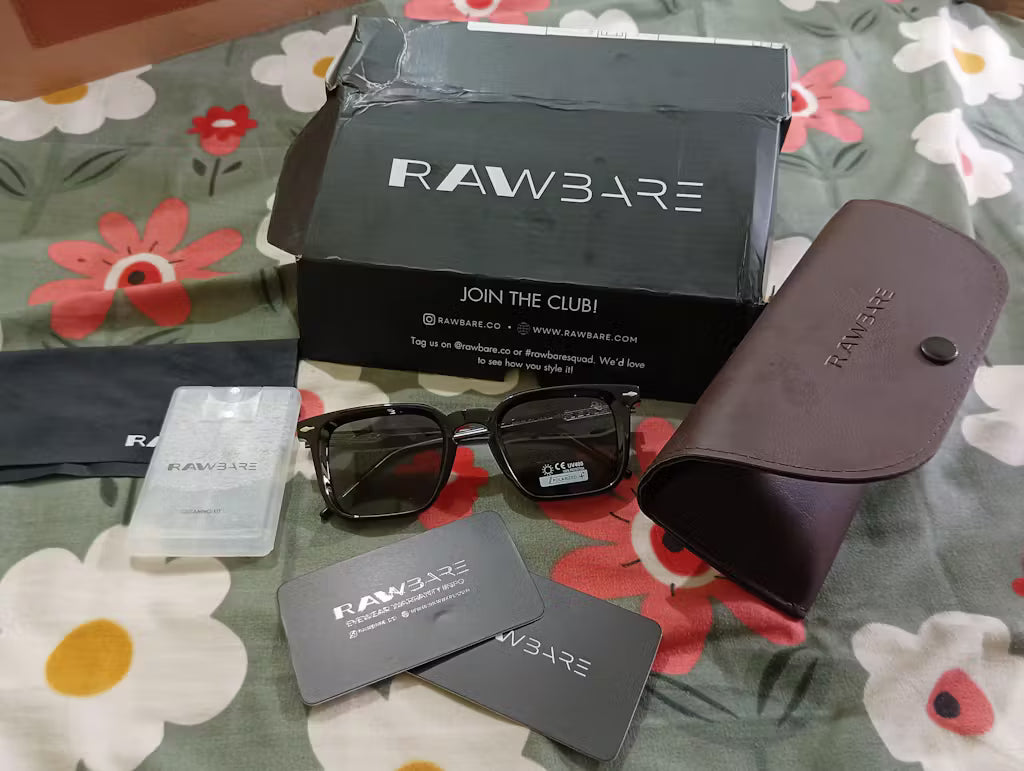
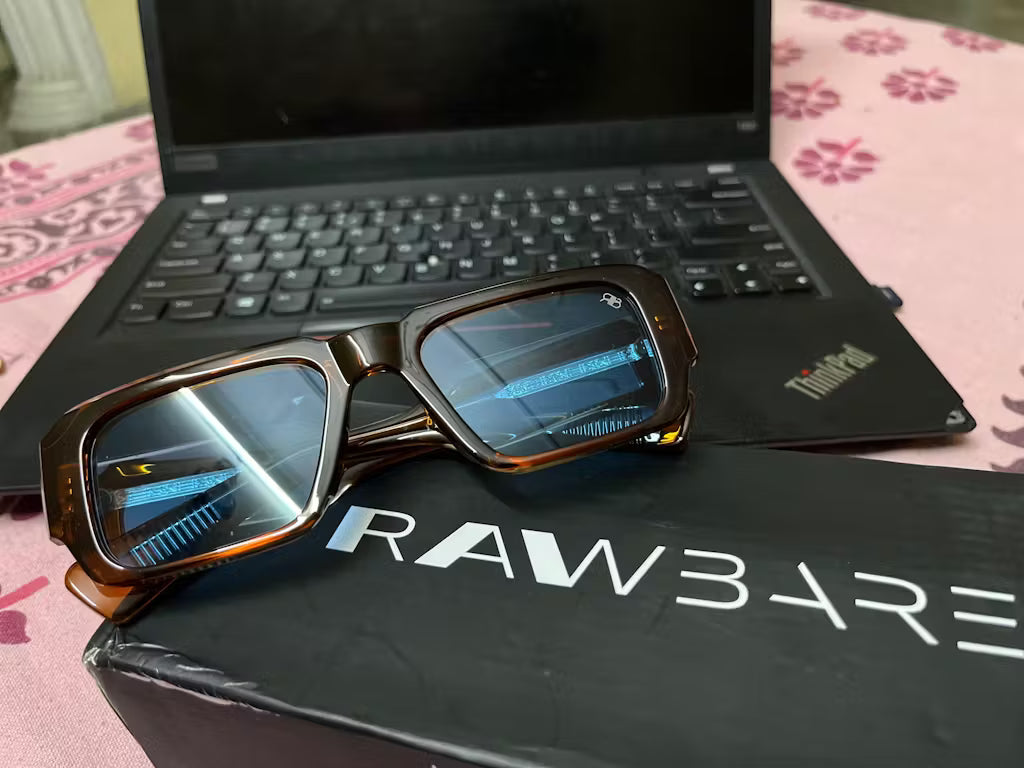
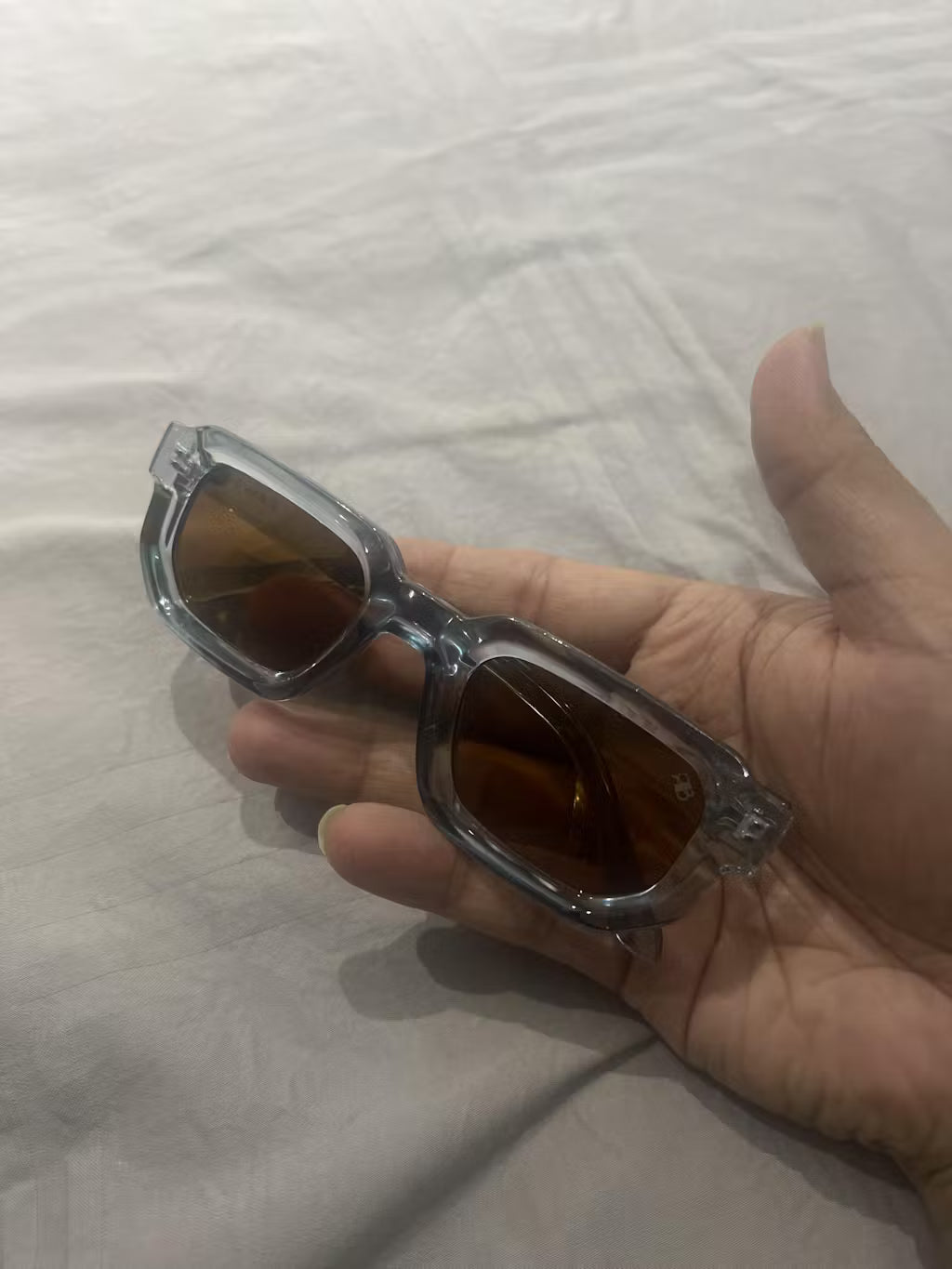
These wrap-around polarized frames are well suited to daytime driving — lightweight, glare-cutting, and fully UV400. Every pair below is in stock.


Prefer a classic shape for the daily commute? A polarized rectangle like the Vintage Cube works just as well for city driving. Browse the full polarized collection to see every in-stock option.
Key takeaways
Frequently asked questions