
Sunglasses for Low Nose Bridges: How to Stop Frames Slipping Down
Fit Guide
Sunglasses for Low Nose Bridges: How to Stop Frames Slipping Down
If your sunglasses constantly slide down your nose or leave red marks, the problem is almost never the frame width. It is the bridge. Here is how to identify a low or flat nose bridge and choose frames that finally sit where they should.
In this article
- Why do my sunglasses keep slipping down my nose?
- How do I know if I have a low nose bridge?
- What frame features actually fix a low bridge?
- Adjustable nose pads vs moulded bridge: which is better?
- How to check bridge fit before you buy
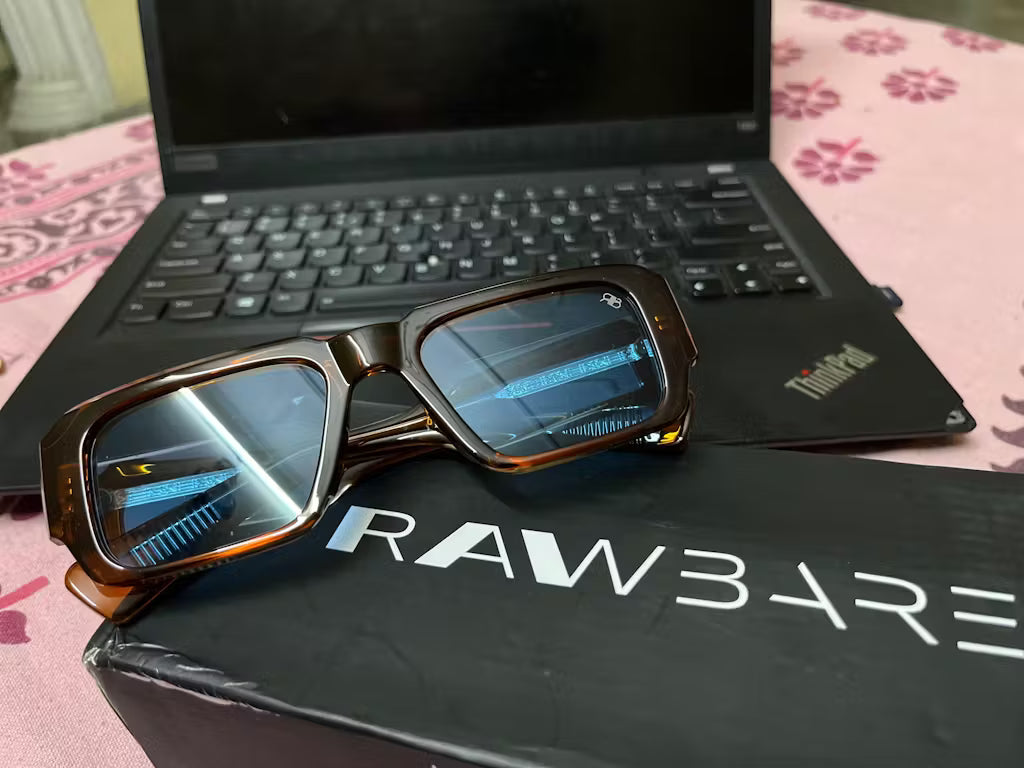
- Rawbare frames that suit a lower bridge
- Frequently asked questions
Why do my sunglasses keep slipping down my nose?

If a well-sized pair still slides down within minutes, the cause is usually the nose bridge, not the overall size of the frame. Sunglasses rest almost their entire weight on two small contact points on either side of your nose. When the bridge of the frame is higher, wider, or more sharply angled than the bridge of your nose, those contact points cannot grip. The frame simply slides until it finds somewhere to rest, which is usually halfway down.
A low or flat nose bridge is one of the most common face profiles across India, and it is the single most frequent reason sunglasses slip, far more often than frame width or weight. Most globally produced eyewear is built around a higher, more prominent bridge, which is why an otherwise perfect frame can feel like it never stays put.
How do I know if I have a low nose bridge?

A quick self-check: look straight into a mirror and notice where the top of your nose bridge sits relative to your pupils. If the bridge starts level with or below the centre of your pupils, you likely have a low bridge. A high bridge starts noticeably above the pupils, closer to the brow line.
Other reliable signs are frames that leave marks on your cheeks rather than the sides of your nose, sunglasses that touch your eyelashes, and frames that sit crooked no matter how you adjust them. All three point to a bridge mismatch rather than a width problem.
What frame features actually fix a low bridge?

Three features make the biggest difference. First, adjustable nose pads, the small pads mounted on thin metal arms found on most metal frames, can be bent inward and downward to grip a flatter bridge. Second, a lower bridge placement on the frame itself keeps the lenses from riding up into your lashes. Third, a lighter frame reduces the downward force that drags a frame off a shallow bridge in the first place.
Adjustable nose pads vs moulded bridge: which is better?

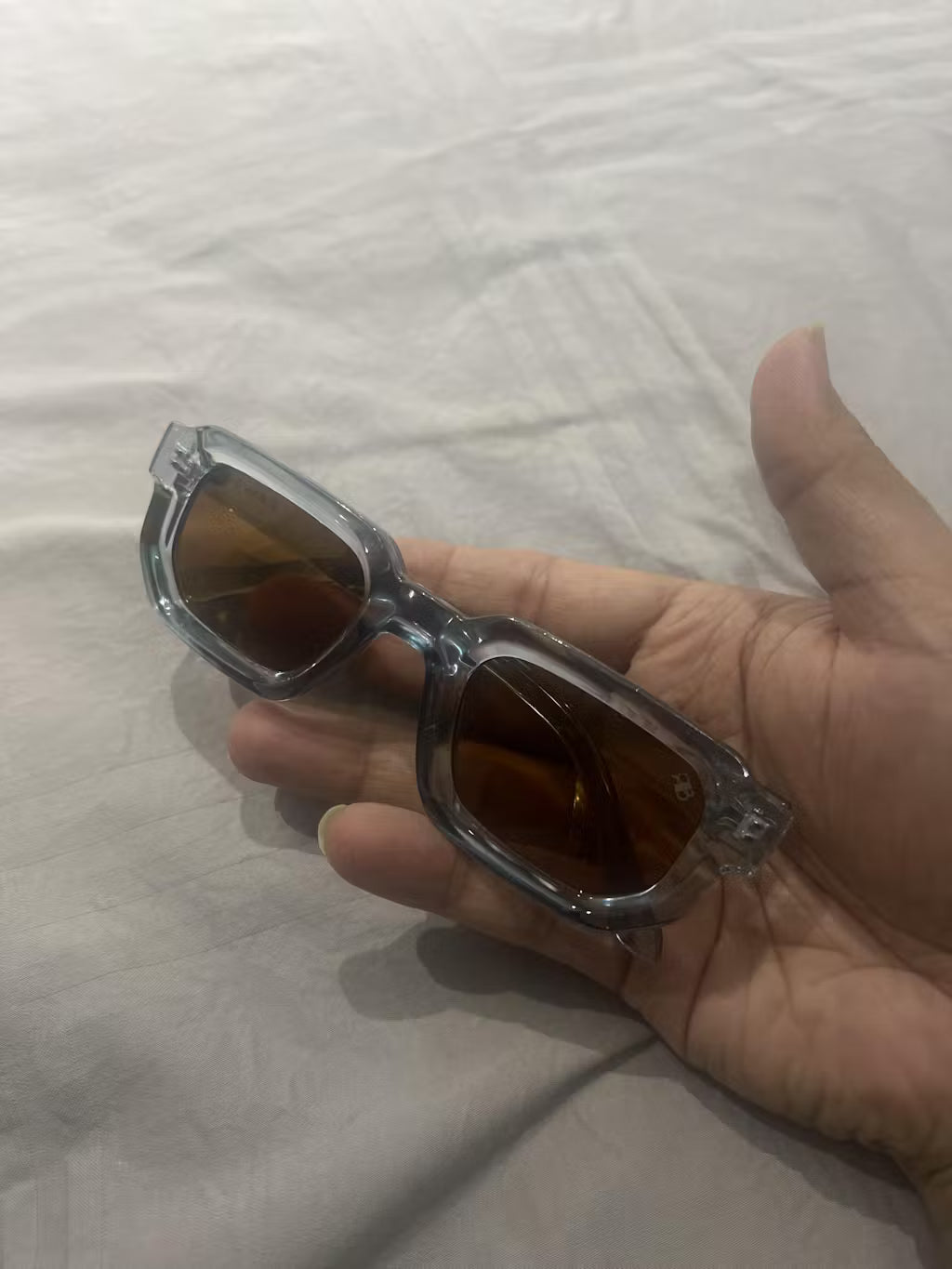
Frames come with one of two bridge types. A moulded bridge is a single fixed curve, common on acetate frames, and it works beautifully when its shape happens to match your nose. An adjustable nose pad system, common on metal frames, lets you change the fit yourself. For a low or flat bridge, adjustable pads give you the most control, because you are not relying on the moulded shape matching your face by chance.
How to check bridge fit before you buy

Whether you buy online or in person, the same checks apply. The frame should rest on the sides of your nose, not your cheeks. The lenses should not touch your eyelashes. The frame should stay level when you look down and tip your head forward gently. And the weight should feel balanced across the bridge and ears rather than pulling forward.
Rawbare frames that suit a lower bridge
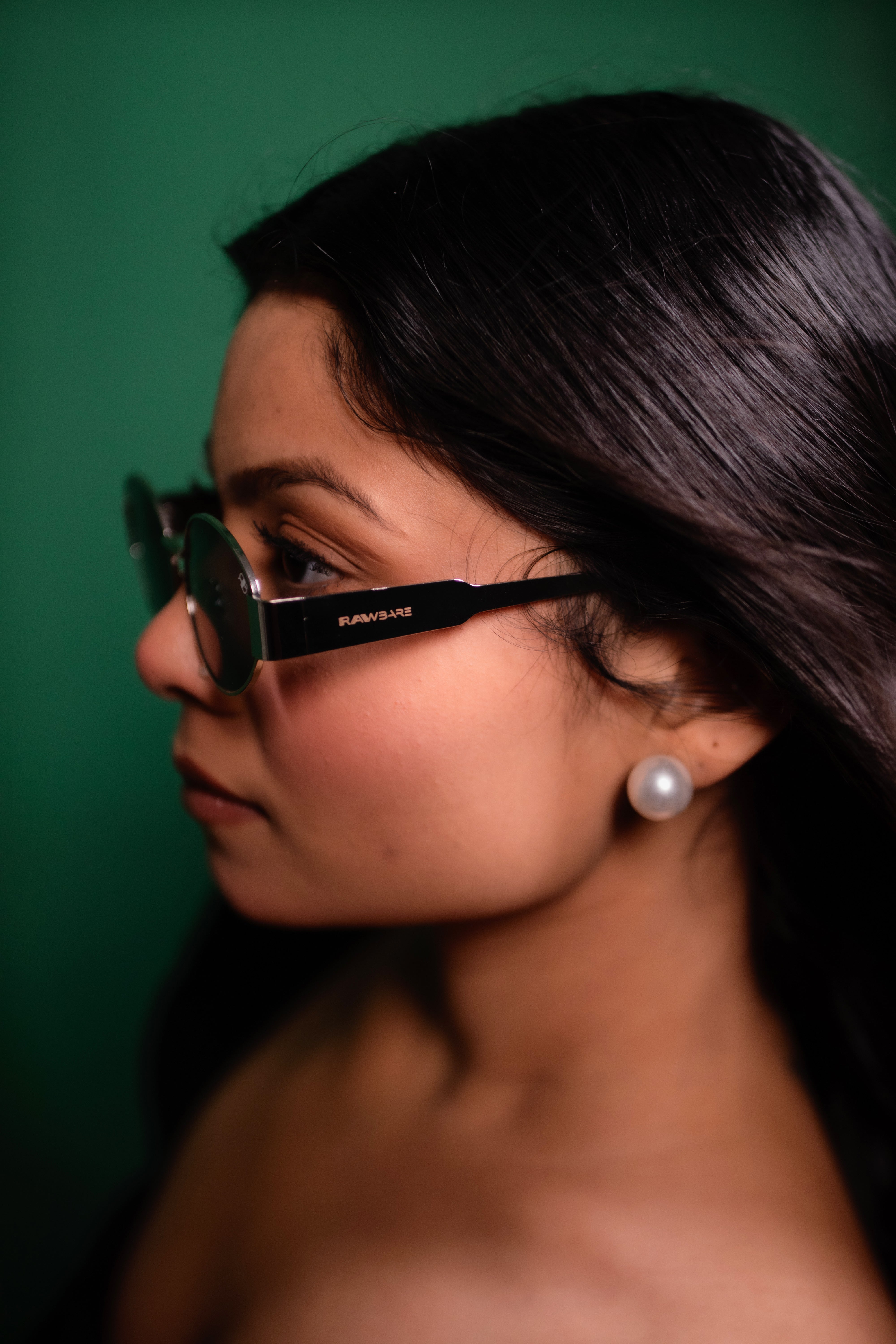
Metal frames with adjustable nose pads are the most forgiving choice for a low or flat bridge, since the pads can be fine-tuned to grip exactly where you need them. These in-stock options are a strong starting point.


Every Rawbare frame is backed by a 6-month warranty and 100% UV400 protection. If a pair needs a small nose-pad adjustment for a perfect fit, our support team can guide you, and the physical store is set up as a hands-on fitting experience.
Frequently asked questions
Key takeaways