
Sunglasses for Snow and Glare: How to Prevent Snow Blindness
Eye Health · Buying Guide
Sunglasses for Snow and Glare: How to Prevent Snow Blindness
Snow reflects most of the sun's UV back at your eyes, which can cause snow blindness, a painful sunburn of the eye's surface. Wrap-around sunglasses with full UV400 protection and dark, category 3 to 4 lenses are the fix. Here is what happens, why it matters at altitude, and how to protect your eyes.
In this article
- What sunglasses protect against snow blindness?
- What is snow blindness?
- Why snow and altitude increase the risk
- What to look for in snow sunglasses
- Snow-ready frames to try
- Frequently asked questions
What sunglasses protect against snow blindness?

To protect against snow blindness you need three things: full UV400 protection, dark lenses in category 3 or 4, and a shape that covers the sides of your eyes. Wrap-around frames are ideal because they block reflected light sneaking in from the edges, which flat frames let through. On snow and at altitude, the combination of a strong UV filter and generous coverage is what keeps your eyes safe.
What is snow blindness?

Snow blindness, known medically as photokeratitis, is essentially sunburn of the cornea, the clear front surface of the eye. It comes from overexposure to UV light, often reflected off snow. Symptoms include pain, a gritty feeling, watering, sensitivity to light and blurred vision, and they usually appear some hours after exposure. It is temporary and typically heals within a day or two, but it is painful and best avoided. If you experience these symptoms, rest your eyes away from bright light and see a doctor if they are severe or do not settle.
Why snow and altitude increase the risk

Fresh snow reflects a large share of UV light straight back up at your eyes, so you are hit from above and below at once. Altitude compounds it, because the thinner atmosphere filters out less UV, meaning exposure rises the higher you go. For anyone heading to the mountains, skiing, or trekking in places like Ladakh or the Himalayas, this makes proper eye protection essential rather than optional. Our guide to the best sunglasses for trekking covers high-altitude wear in more depth.
What to look for in snow sunglasses

Start with UV400, which blocks all UV up to 400 nanometres, and treat it as non-negotiable. Choose a dark lens in category 3 for general bright snow, or category 4 for glaciers and very high altitude, where light is most intense. Note that category 4 lenses are too dark for driving. Pick a wrap or close-fitting shape for side coverage, and consider a strap to keep them secure. Our lens categories guide explains the 0 to 4 scale, and what UV400 actually means covers the protection side.
Snow-ready frames to try
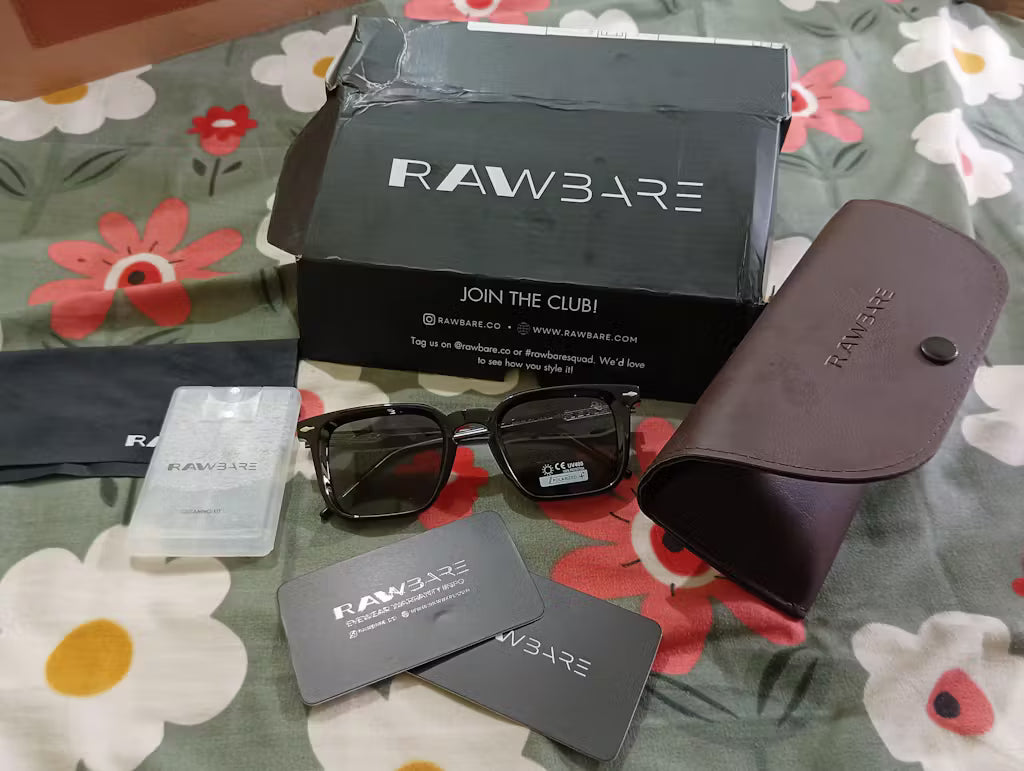
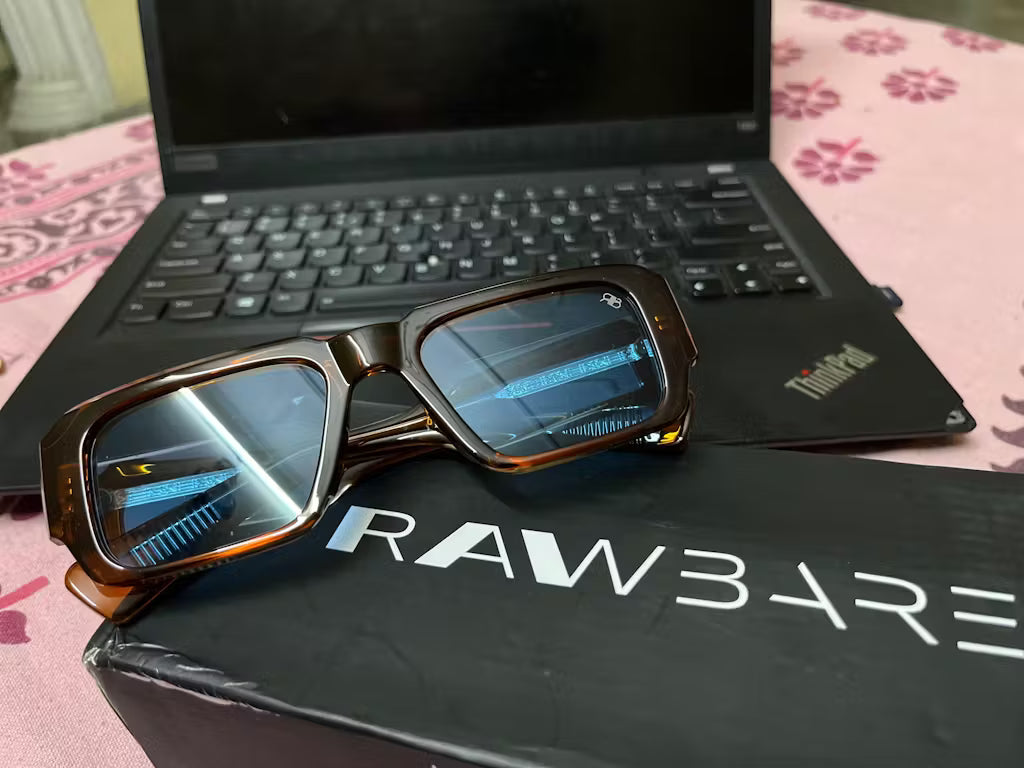
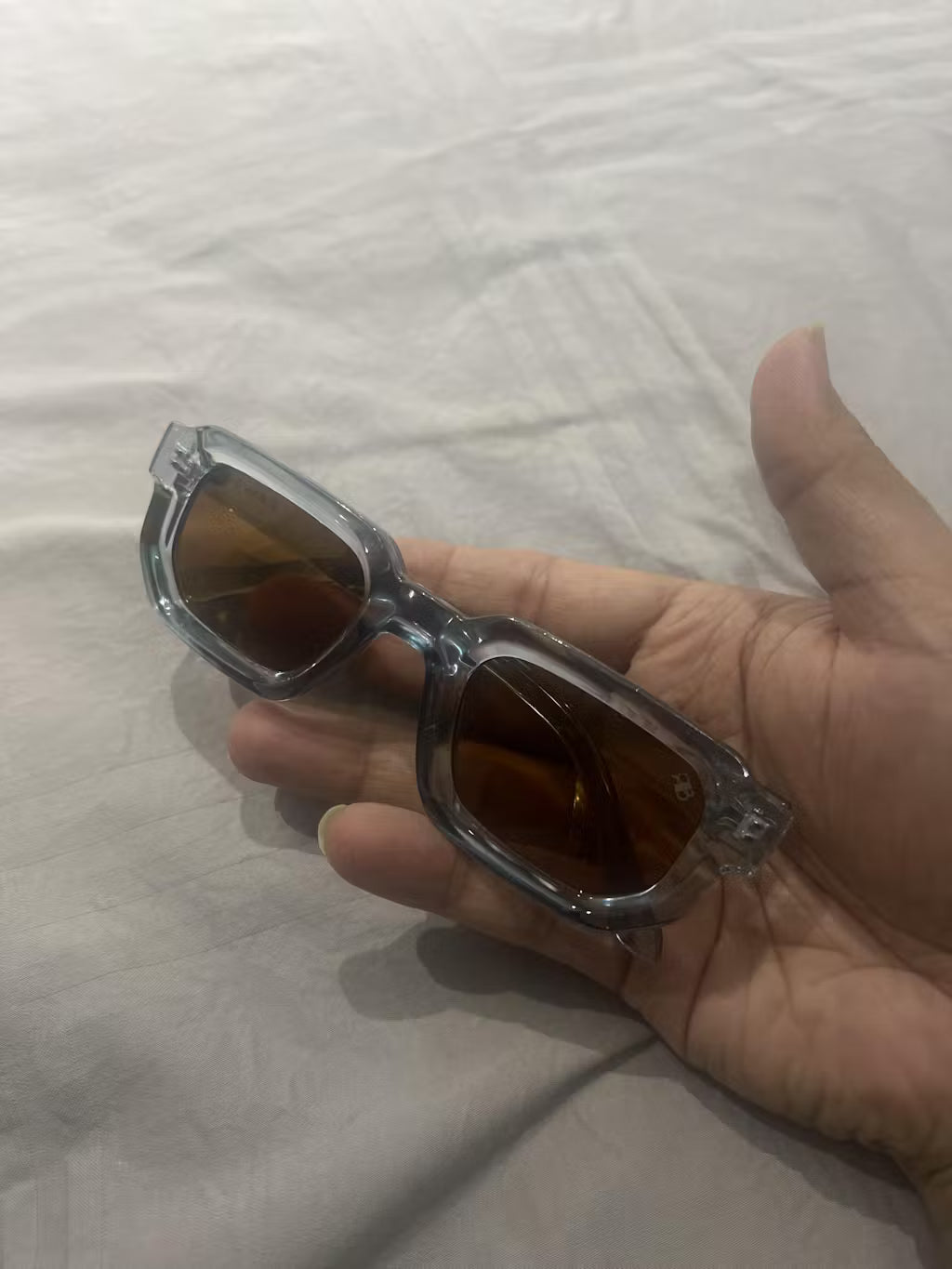
Three in-stock Rawbare wrap frames with high side coverage, each polarized with 100% UV400 protection.


Key takeaways
Frequently asked questions