
Do Blue Light Glasses Actually Work? What They Do and Do Not Do
Eye Care · Screens
Do Blue Light Glasses Actually Work? What They Do and Do Not Do
Blue light glasses filter part of the blue light that comes from screens. They are most useful for comfort during long screen sessions and in the evening, when reducing blue light can support your natural wind-down. Here is a clear, honest look at what they do, and how to get the most from them.
In this article
- Do blue light glasses actually work?
- What is blue light?
- What blue light glasses do
- Blue light, screens, and sleep
- Getting the most from blue light glasses
- Bluecut frames to try
- Frequently asked questions
Do blue light glasses actually work?

Blue light glasses do one specific thing: they filter a portion of the blue light reaching your eyes from screens and artificial lighting. The clearest benefit is comfort. Many people find their eyes feel more relaxed during long days on a laptop or phone, and wearing them in the evening lowers blue light exposure at the time of day when it matters most for winding down. They are a helpful tool, and they work best alongside good screen habits rather than on their own.
What is blue light?

Blue light is the high-energy, visible part of the light spectrum, sitting between roughly 400 and 500 nanometres. The largest source of blue light by far is the sun, but screens, LED lighting, and phones also emit it at close range for many hours a day. That constant, near-distance exposure is newer to human life than daylight, which is why blue light from screens has drawn so much attention. It is separate from ultraviolet light, which sits below 400 nanometres and is blocked by UV400, as our guide to UV400 explains.
What blue light glasses do

Blue light glasses, sometimes called bluecut or blueblock lenses, carry a filter that reduces how much blue light passes through to your eyes. They do not block all of it, and they are not a medical device. What they offer is a gentler, less harsh visual experience during heavy screen use, and reduced blue light exposure in the hours before bed. Think of them as a comfort and habit tool for a screen-heavy life, not a cure for every kind of eye strain.
Blue light, screens, and sleep

Light in the evening, especially blue-rich light, signals to your body that it is still daytime, which can make winding down harder. Reducing blue light in the last hours before bed is one of the levers you can pull to protect your evening routine. Blue light glasses are an easy way to do this while still using your devices. For a deeper look at the link, see our article on blue light and sleep.
Getting the most from blue light glasses

Blue light glasses work best as part of a wider set of habits. Follow the 20-20-20 approach: every 20 minutes, look at something about 20 feet away for 20 seconds to relax your focus. Keep your screen brightness in balance with the room, blink often to keep eyes from drying, and lower blue-rich light in the evening. Worn alongside these habits, bluecut lenses help your eyes feel comfortable through long screen days. Our guide to the best computer glasses for working from home covers the full setup.
Bluecut frames to try
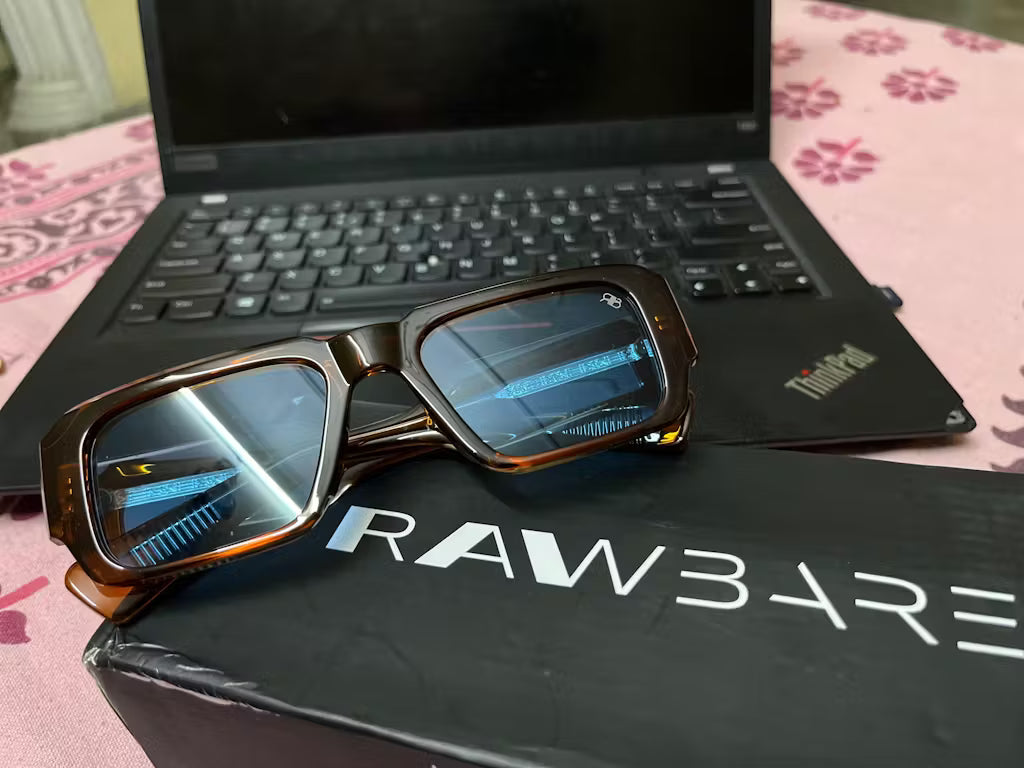
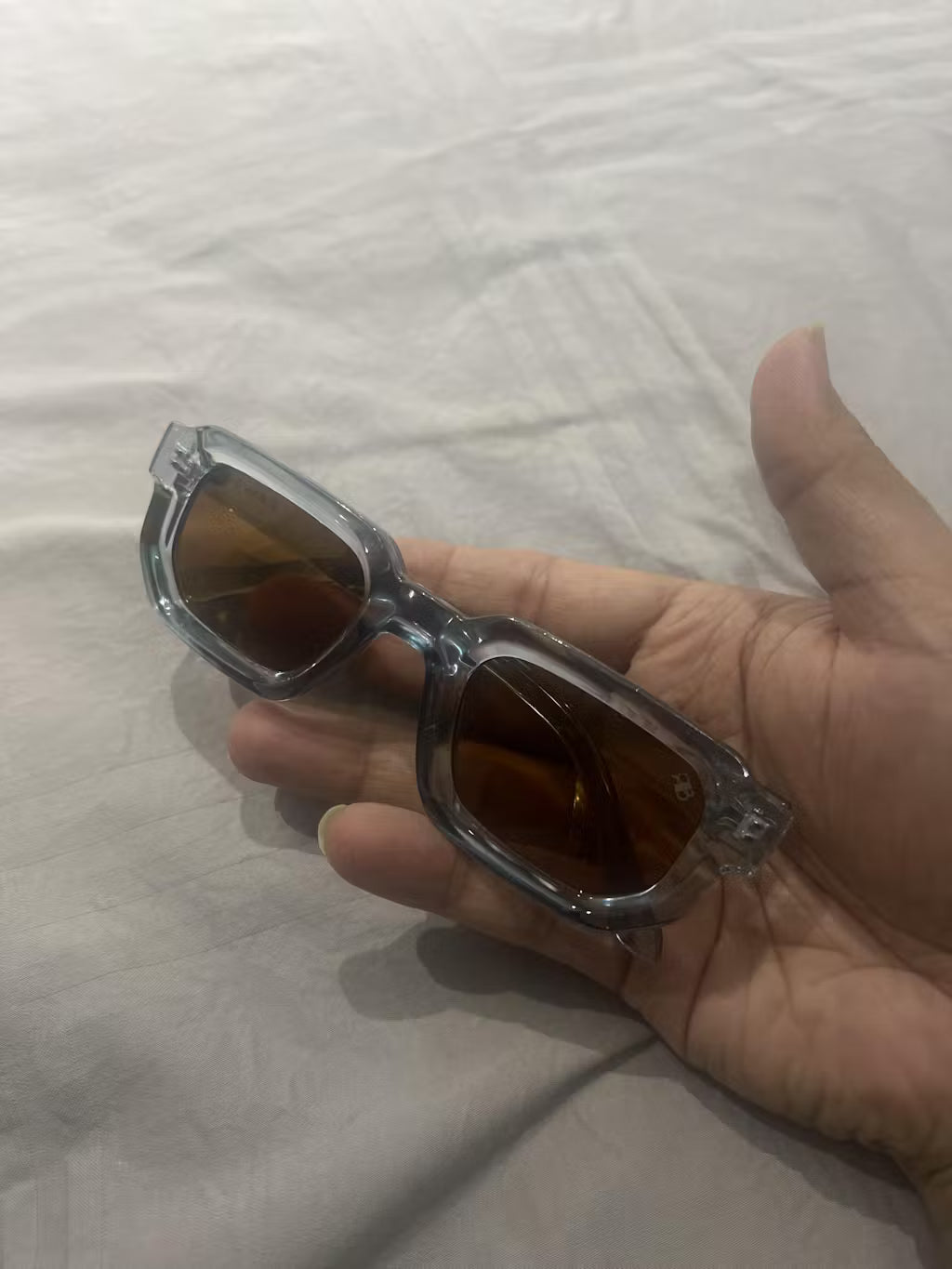
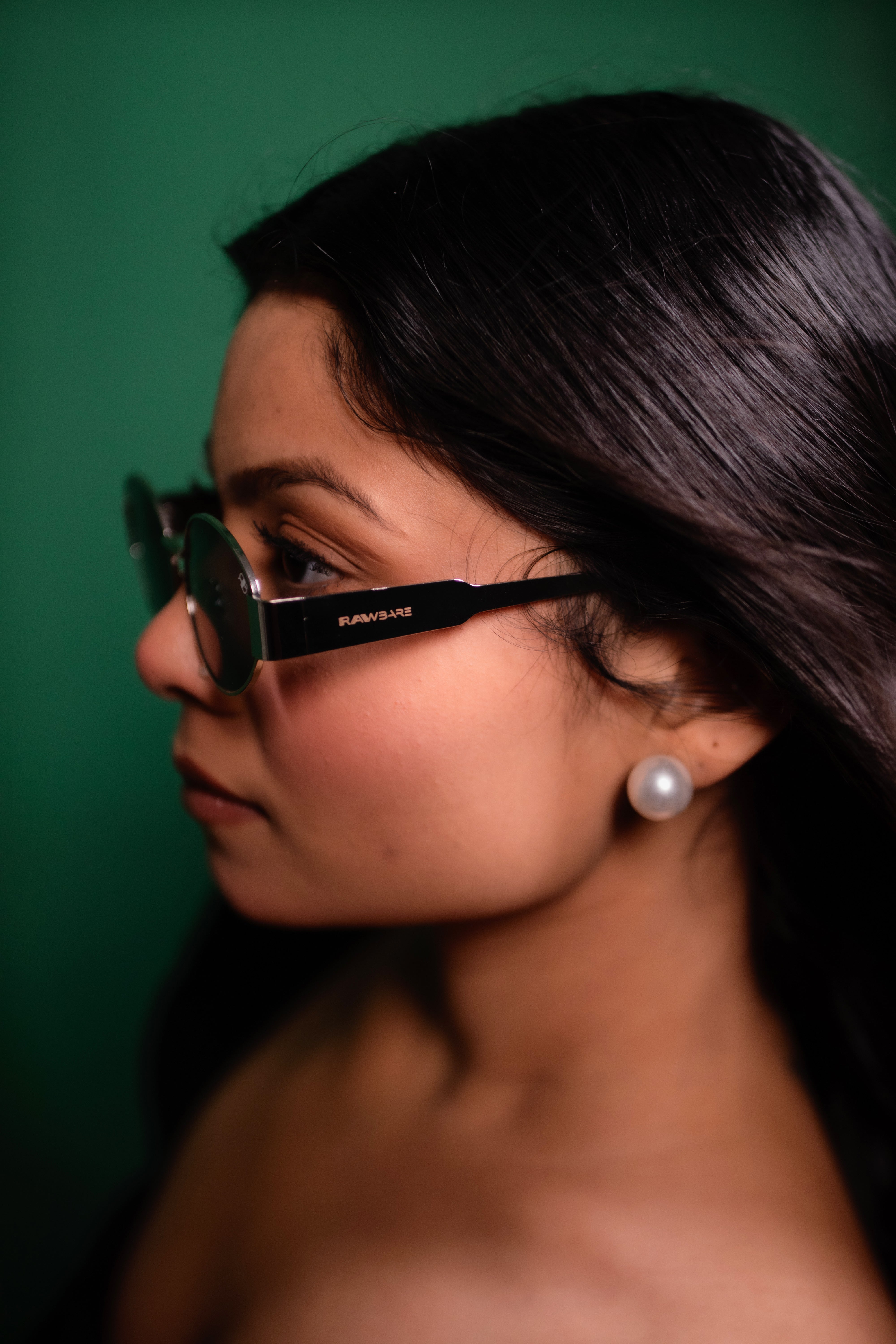
Here are three in-stock bluecut frames from Rawbare, each pairing a blue light filter with 100% UV400 protection and a lightweight build for long days.


Key takeaways
Frequently asked questions