Sunglasses for Ladakh and Spiti: What High Altitude Demands
Travel
Sunglasses for Ladakh and Spiti: What High Altitude Demands
Ladakh and Spiti are high, dry and bright. The air is thin, the light is harsh and snow can sit beside the road even in summer. Your regular city sunglasses may not be enough. Here is what to pack and why.
In this article
- What sunglasses do you need for Ladakh and Spiti?
- How much stronger is UV in Ladakh and Spiti?
- What are the eye risks at high altitude?
- What should you look for in a high-altitude pair?
- What else should you pack for your eyes?
- Rawbare picks for Ladakh and Spiti
- Frequently asked questions
What sunglasses do you need for Ladakh and Spiti?

UV400 lenses, a dark lens of category 3, polarization for lakes and roads, and a wrap or close-fitting frame that blocks light from the sides. Riders should add a pair that fits under the helmet.
The World Health Organization notes that UV levels rise by about 10% with every 1,000 m of altitude, and that fresh snow can almost double UV exposure by reflecting it back up. Ladakh and Spiti combine both.
How much stronger is UV in Ladakh and Spiti?

Using the WHO rule of about 10% per 1,000 m, UV is roughly a third higher in Leh than at sea level, and around half again as high on passes above 5,000 m.
| Place | Approx. altitude | Approx. UV vs sea level |
|---|---|---|
| Mumbai, Chennai | Sea level | Baseline |
| Leh | About 3,500 m | About 35% higher |
| Kaza (Spiti) | About 3,800 m | About 38% higher |
| Pangong Tso | About 4,250 m | About 42% higher |
| Passes above 5,000 m | 5,000 m+ | About 50% higher or more |
These are rough estimates; actual UV also depends on time of day, cloud and snow cover. Read how the UV index works.
What are the eye risks at high altitude?

Snow blindness, glare from lakes and snow, dryness from cold wind and dust from open roads.
- Snow blindness (photokeratitis): a painful sunburn of the cornea that appears hours after exposure. See sunglasses for snow and glare.
- Reflected glare: lakes like Pangong and Chandratal reflect strong light. See how UV reflects off water and snow.
- Dry eyes: cold, thin, dry air dries the eyes faster. See dry eye causes.
- Dust and grit: unpaved stretches and wind. See do sunglasses protect from dust.
What should you look for in a high-altitude pair?

UV400, category 3 tint, polarization, side coverage and a secure fit.
What else should you pack for your eyes?

A spare pair, a hard case, a cleaning cloth and lubricating eye drops if your eyes dry easily.
- Spare pair: sunglasses get lost or scratched on long trips, and there are few shops on the high routes.
- Hard case: protects against bumps and heat in the car. See can heat damage sunglasses.
- Cloth: dust scratches lenses if wiped with a shirt. See how to clean sunglasses.
- Cap with a brim: blocks light from above.
For a general travel kit, see travel sunglasses and sunglasses for trekking.
Rawbare picks for Ladakh and Spiti
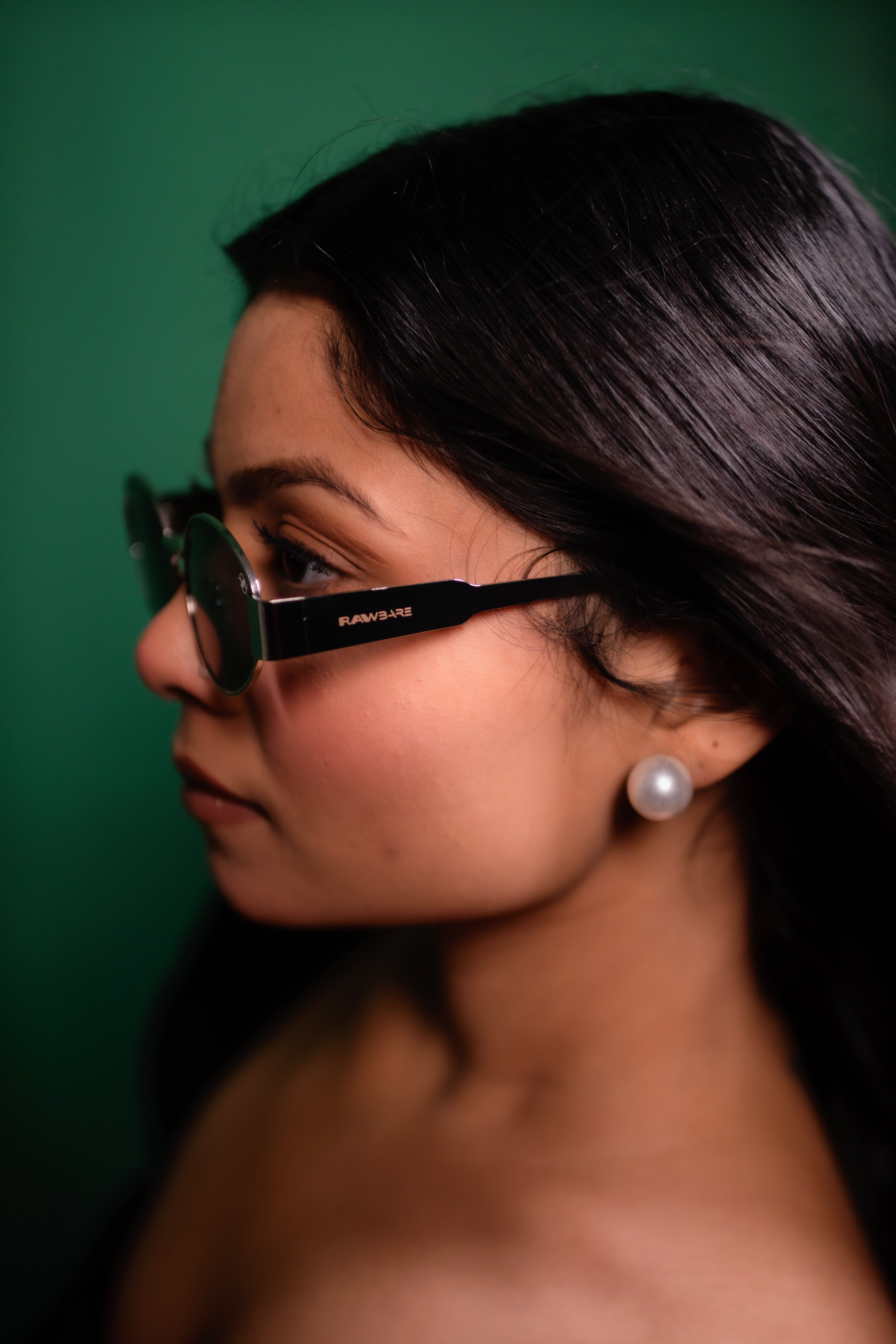
Polarized wrap frames and large square lenses with UV400 protection. All in stock.


Frequently asked questions
Q1 Which sunglasses are best for a Ladakh trip?
Q2 Is UV stronger in Ladakh?
Q3 Are polarized sunglasses good for Ladakh?
Q4 Do I need category 4 sunglasses for Ladakh?
Q5 What is snow blindness?
Q6 Should I carry a spare pair to Ladakh?
Key takeaways