
The Complete Guide to Sunglasses Lens Colours: Grey, Brown, Green and When to Wear Each
Lens Guide · Tints
The Complete Guide to Sunglasses Lens Colours: Grey, Brown, Green and When to Wear Each
Lens colour is not just a style choice. Each tint changes how you see contrast, depth and true colour. Pick the right one for where you actually spend your time, and the difference is immediate.
In this article
- Lens colour vs UV protection: a crucial distinction
- Grey: the true-colour all-rounder
- Brown and amber: the contrast booster
- Green: the balanced middle ground
- Yellow and rose: low light and contrast
- Quick reference: which tint for which use
- How tint relates to darkness
- Find your tint at Rawbare
- Frequently asked questions
Lens colour vs UV protection: a crucial distinction

Before choosing a tint, understand the one thing tint does not do: it does not determine UV protection. A pale lens can block 100% of UV while a near-black lens blocks none. UV blocking is a property of the lens material and coating, not its colour or darkness. Always choose UV400 first, then pick the tint that suits your eyes and environment.
Grey: the true-colour all-rounder

Grey reduces overall brightness evenly across the spectrum, so colours stay true to life. Nothing is warmed or shifted. This makes grey the most versatile, no-surprises tint and the default choice for bright sunny conditions, general daily wear, and anyone who wants the world to look exactly as it is, only dimmer. If you are unsure which tint to buy, grey is the safe answer.
Brown and amber: the contrast booster

Brown selectively filters more blue light, which sharpens contrast and depth perception. This makes brown excellent for driving, where judging distance and reading the road matters, and for variable or hazy light. The trade-off is a slight warm colour shift, so it is less ideal when you need perfectly neutral colour. For most Indian daytime conditions, brown is a strong, comfortable everyday choice.
Because contrast and accurate colour both matter behind the wheel, brown and neutral grey are the two best driving tints. We cover this in depth in our guide to the best sunglasses for driving in India.
Green: the balanced middle ground

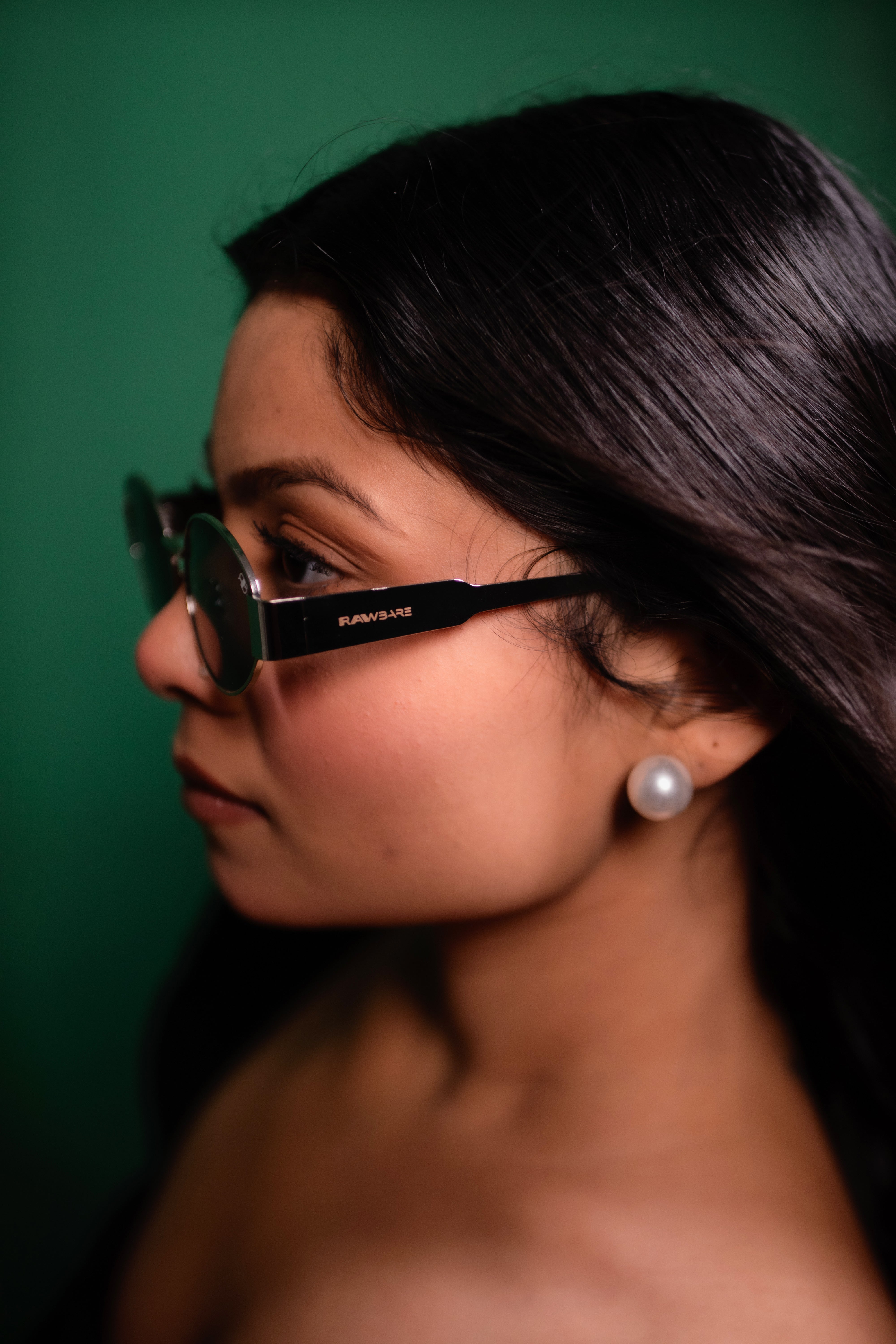
Green sits between grey and brown. It keeps colours fairly true while gently boosting contrast and reducing glare, and many people find it the most restful tint for the eyes over long periods. It is a versatile all-day option that suits both bright sun and moderate conditions, which is why classic green lenses have stayed popular for decades.
Yellow and rose: low light and contrast

Yellow lenses dramatically increase contrast in flat, hazy, or overcast light and are popular for some sports. They are not for bright sun, and they noticeably distort colour. Importantly, yellow lenses are not a safe solution for night driving — any tint reduces the light your eyes need after dark.

Rose tints add contrast against blue and green backgrounds and many find them comfortable for screen-heavy days and longer wear. They are a more specialised, style-forward choice rather than a true all-rounder.
Quick reference: which tint for which use
| Lens colour | Best for | Colour accuracy |
|---|---|---|
| Grey | Bright sun, daily wear, true colour | Highest |
| Brown | Driving, hazy light, depth perception | Slight warm shift |
| Green | All-day comfort, mixed conditions | High |
| Yellow | Overcast, flat light, some sports | Low |
| Rose | Screens, long wear, contrast | Moderate |
How tint relates to darkness

Tint colour and tint darkness are two separate things. Darkness, sometimes described as a category from 0 to 3, controls how much visible light the lens lets through. For bright Indian sun, a darker category 3 lens is comfortable. The colour you choose, grey or brown or green, then shapes how that filtered light looks. And again, neither one is a measure of UV protection, which should always be a full UV400.
For more on how polarization fits alongside tint, see our guide to the role of polarized sunglasses.
Find your tint at Rawbare
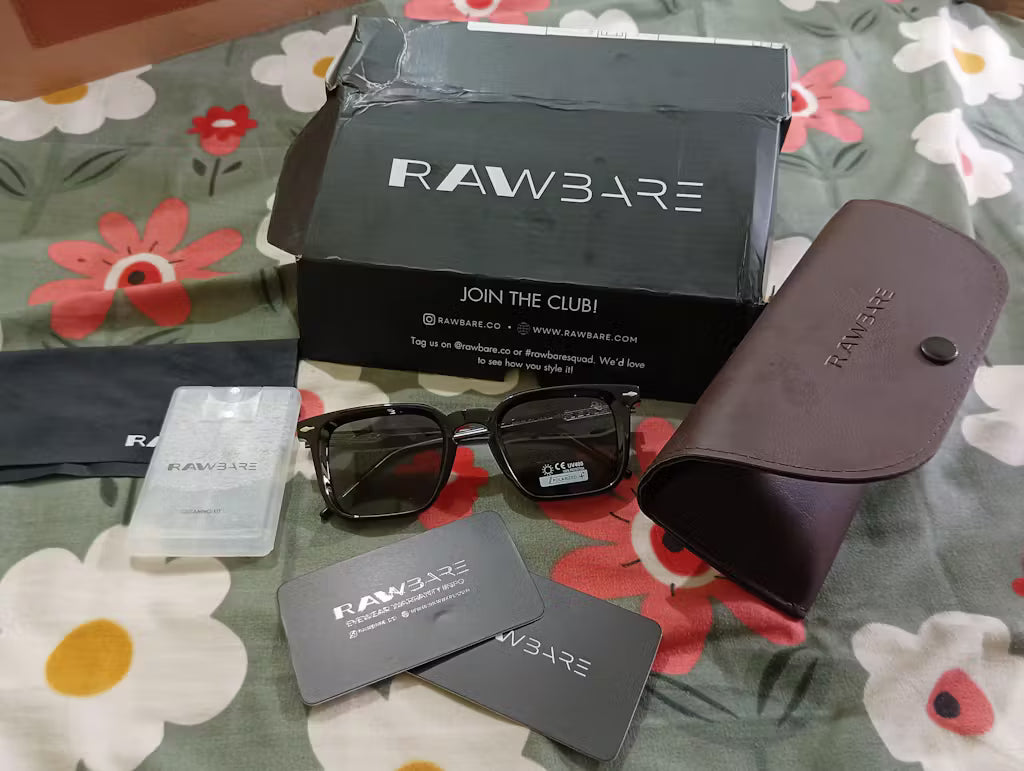
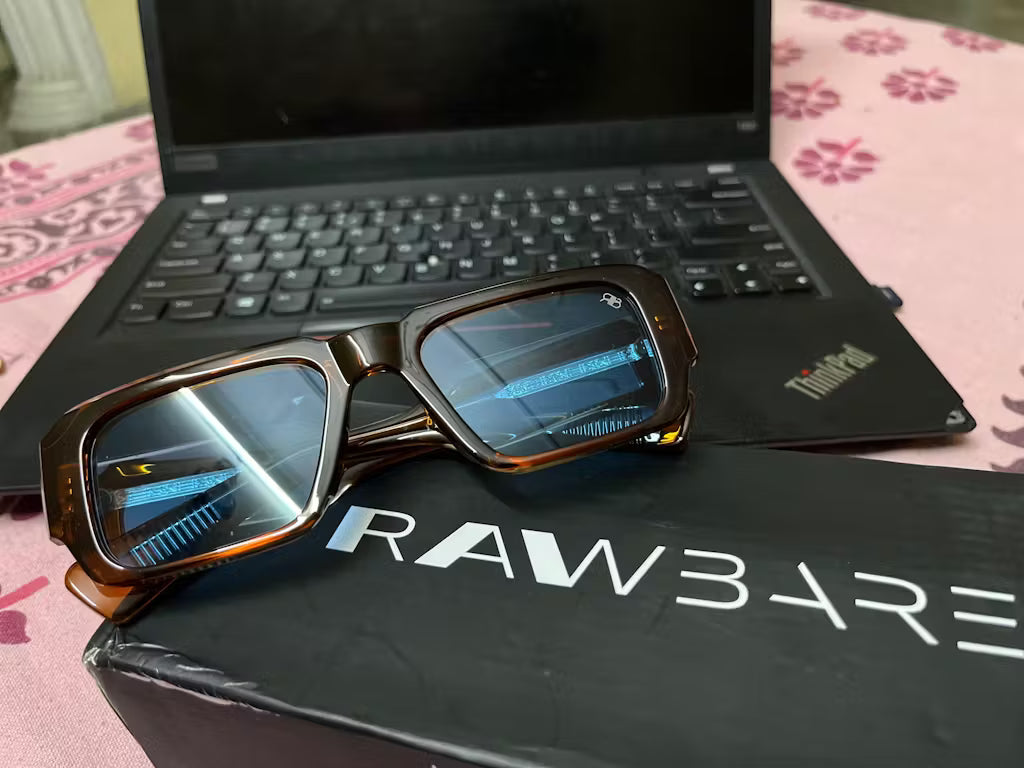
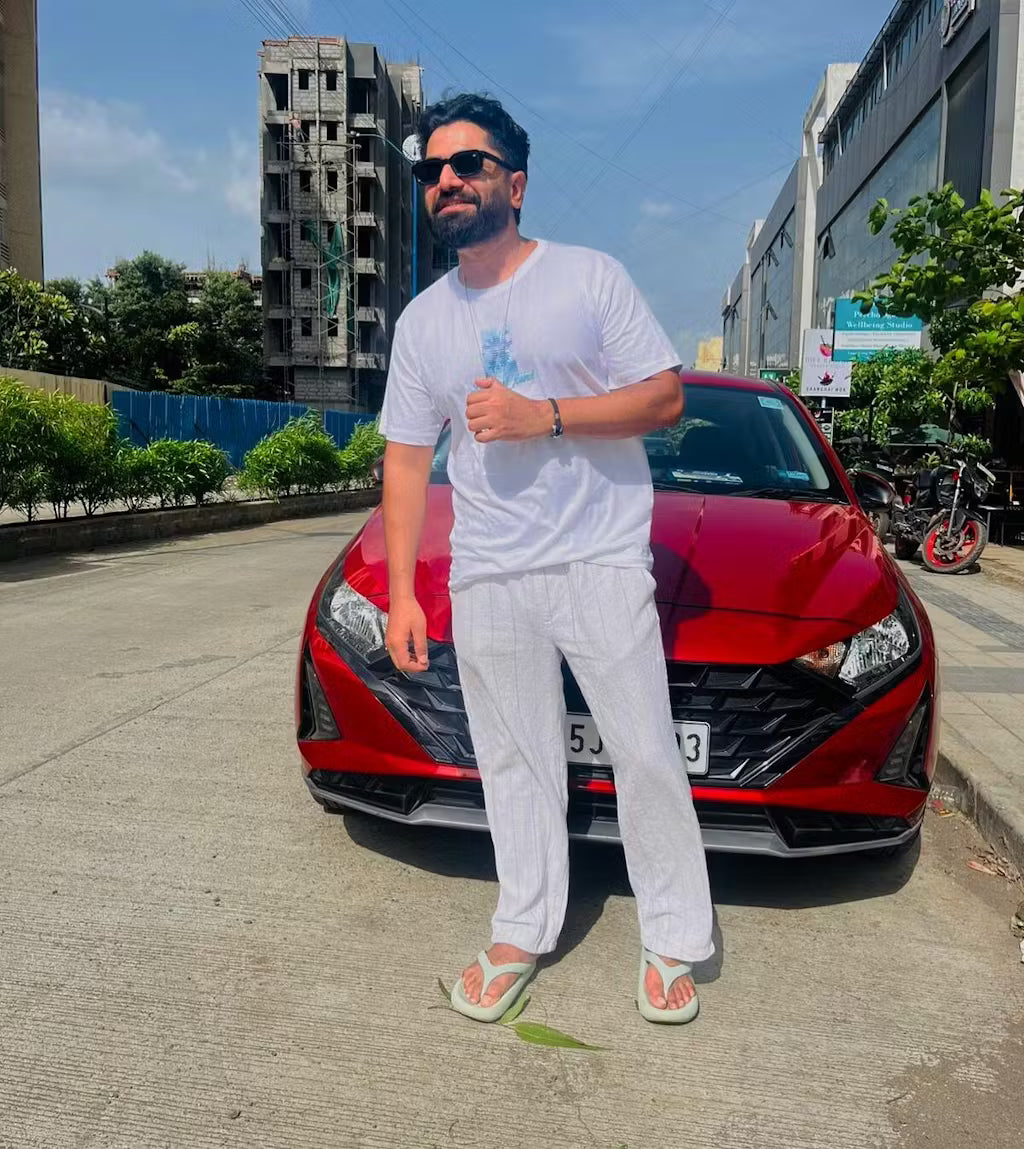
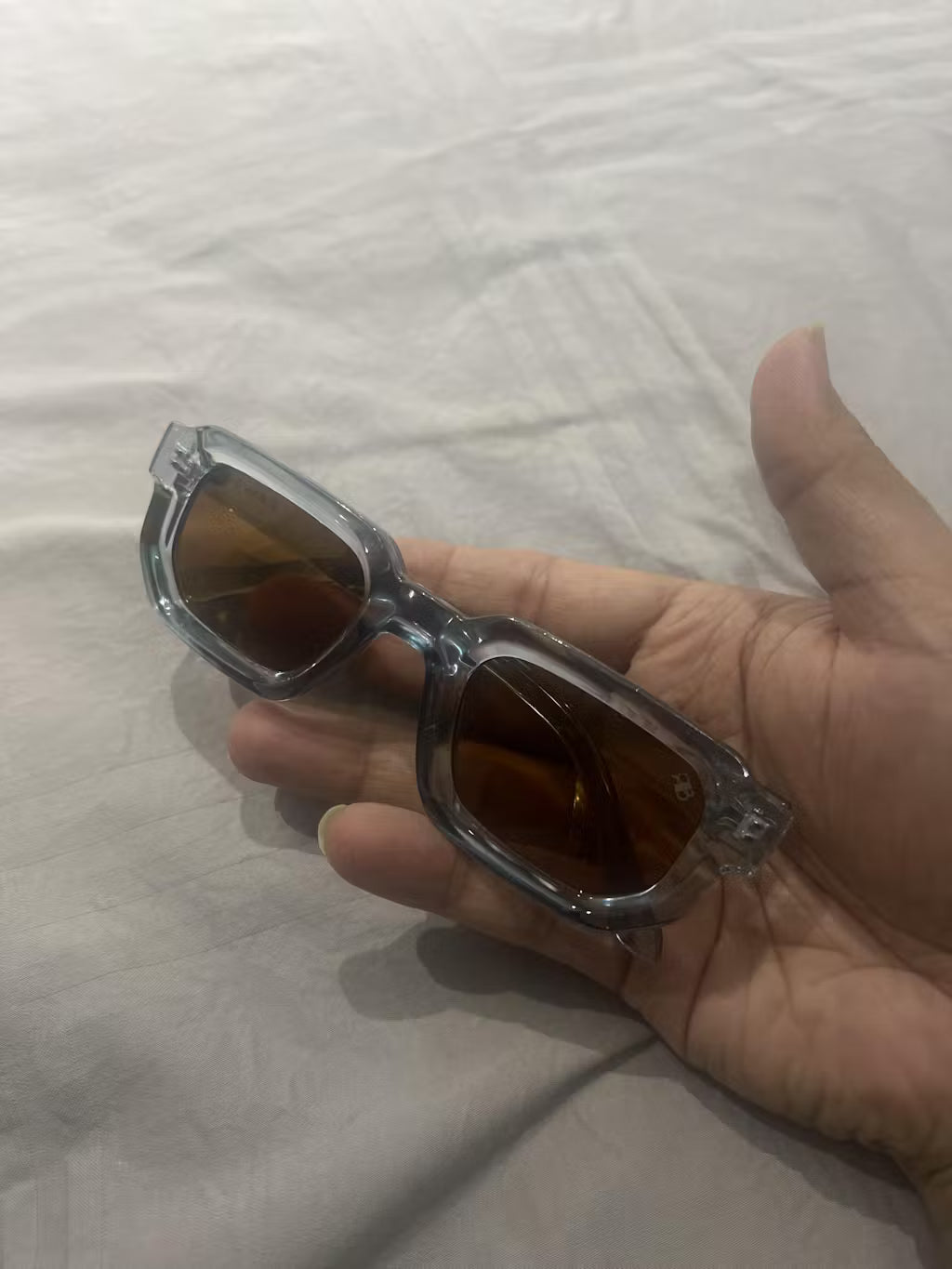
A few in-stock Rawbare frames across different tint families to show how lens colour changes the look and feel.


Browse the full polarized collection to see every tint and shape currently in stock.
Key takeaways
Frequently asked questions